
How does a mold upender improve efficiency in mold handling? Efficient mold handling is essential for businesses looking to optimize their operations and minimize risks. Mold upenders are invaluable in reducing manual labor and improving safety in mold handling processes. Adopting these specialized machines ensures consistency while significantly cutting down on operational time and errors.
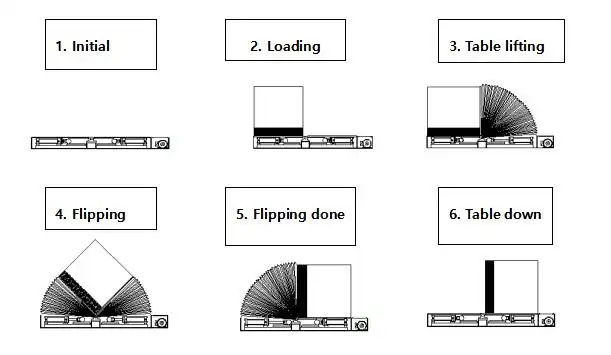
A mold upender enhances efficiency by streamlining the turning and tilting of heavy molds. This equipment safely rotates molds at 90-degree angles, allowing for versatile positioning during maintenance, storage, or transport. It minimizes manual handling, thus reducing labor costs and potential injuries, while boosting overall productivity and operational reliability.
Imagine lessening the strenuous, time-consuming task of manually turning molds—this is where the mold upender shines. It draws on cutting-edge technology to make handling molds safer and faster. Transitioning from demanding physical labor to automated assistance not only enhances efficiency but also allows teams to focus on more strategic tasks.
What is a Mold Upender and How Does it Operate?
In the bustling world of manufacturing, where precision and time optimization are key, the mold upender emerges as an unsung hero. It’s designed to handle bulky and unwieldy molds with ease. By providing a solution to a time-consuming problem, it’s a game-changer for industries reliant on efficient mold handling.
A mold upender is a mechanical device that assists in safely rotating molds by 90 degrees. It operates through hydraulic or mechanical systems, ensuring smooth and precise rotation without physical strain on workers. The operation involves securing the mold, activating the system, and allowing it to tilt, thus aiding in various processing stages.
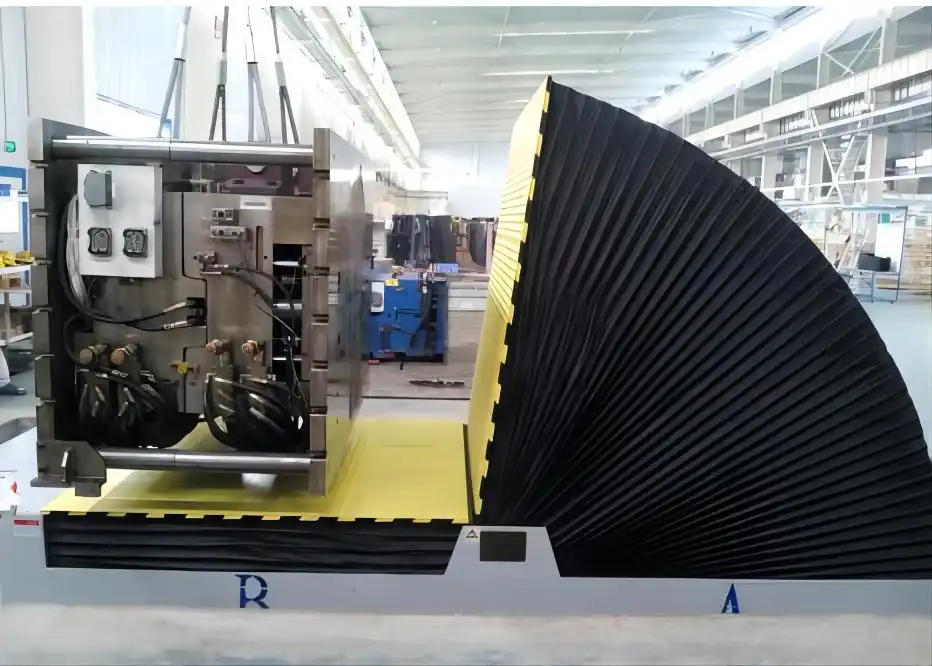
Navigating the Mold Upender: Understanding Its Core Mechanism
Diving deeper into the mechanics of the mold upender reveals its invaluable role in industrial processes. The device consists of a sturdy frame that houses a hydraulic or mechanical lift capable of handling varied mold weights and sizes. With its robust design, it ensures stability during operation, safeguarding against potential mishaps.
| Key Features | Benefits |
|---|---|
| Hydraulic System | Provides smooth, controlled rotation of molds. |
| 90 Degree Tilt Capability | Enables versatile mold positioning for maintenance or transport. |
| Safety Mechanisms | Reduces risk of injury, protecting both workers and equipment. |
From my extensive experience in the field, investing in mold handling equipment like upenders offers tangible returns. The mold upender benefits extend beyond mere efficiency; they foster a safer work environment and promote agility in manufacturing tasks. There’s a profound peace of mind in knowing your operations are backed by reliable technology—one that streamlines mundane tasks and lets you channel focus toward driving innovation.
Moreover, integrating this equipment into your production line can substantially cut down the turnaround time for mold changes. With a seamless operation, it translates into higher throughput and a boost in overall productivity. Embracing the mold upender not only aligns with best practices in manufacturing but also equips businesses to competitively adapt to ever-evolving industry needs.
2. In What Ways Does a Mold Upender Enhance Handling Efficiency?
Handling hefty molds manually isn’t just tiring; it’s risky and inefficient as well. To tackle these challenges, the mold upender is a game-changer. Its technological sophistication reduces both the time and physical burden required to maneuver heavy molds, offering manufacturers a streamlined process that elevates operational efficiency.
A mold upender enhances handling efficiency by enabling a swift and safe 90-degree turning of molds. This automation reduces manual labor, mitigates risks, and accelerates workflow in manufacturing environments. Mold upenders create a smooth transition, ensuring molds are precisely flipped and positioned, leading to better productivity and workplace safety.
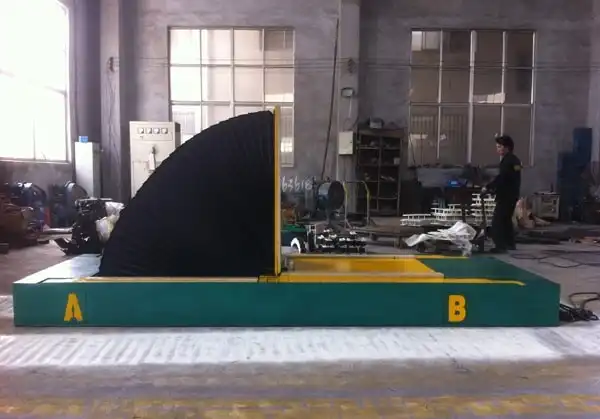
Understanding the Efficiency Boost of Mold Upenders
Efficient mold handling is crucial in minimizing downtime. With mold tilters and 90-degree turning capabilities, upenders significantly cut down on time spent repositioning molds. It’s not just about convenience; it’s about achieving impeccable accuracy and speed.
| Aspect | Manual Handling | Mold Upender |
|---|---|---|
| Time Consumed | High | Low |
| Risk of Human Error | Significant | Minimal |
| Labor Force Requirement | High: Multiple operators | Low: Single operator |
| Safety Considerations | High risk of incidents | Reduced risk, enhanced safety |
From personal experience at Fhopepack, I’ve seen mold upenders transform operations. The process becomes not only faster but more synchronized. The precision of a mold upender mitigates risks associated with manual handling. As the technology integrates with existing systems, the chances of operational hazards decrease, which is a significant leap forward in mold handling equipment.
3. What Are the Key Benefits of Implementing a Mold Upender in Manufacturing?
Manual mold handling can lead to inefficiencies and increased risk. With a mold upender, manufacturers usher in a safer, more effective alternative. Harnessing this technology minimizes hazards, maximizes uptime, and enhances productivity, truly capturing the spirit of modern manufacturing solutions.
Implementing a mold upender in manufacturing offers several key benefits, including improved process safety, reduced manual labor, and increased operational accuracy. This innovation ensures that heavy molds are handled with utmost precision, cutting down the physical strain on workers and optimizing the overall manufacturing workflow.
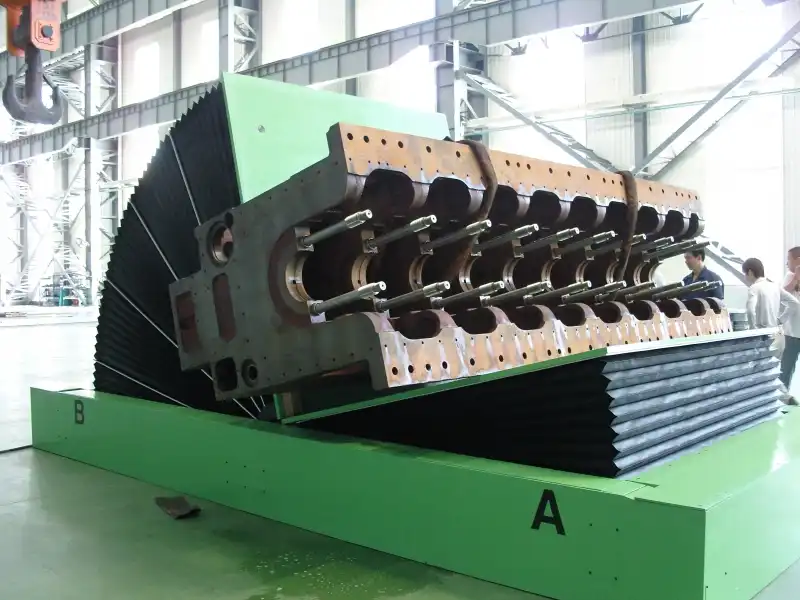
The Impact of Mold Upenders on Manufacturing Performance
Mold handling has traditionally been labor-intensive and prone to human error. Mold upenders simplify this, offering substantial mold upender benefits.
| Benefit | Description | Impact on Manufacturing |
|---|---|---|
| Labor Cost Reduction | Decreases need for manual handling | Economic efficiency |
| Enhanced Safety | Lowers risk of injuries and accidents | Safer work environment |
| Improved Precision | Ensures accurate mold positioning | Consistent quality output |
In my experience, implementing upenders isn’t merely a choice but a necessity for competitive edge. During my time in this industry, I’ve noticed how this equipment aids in avoiding setbacks caused by mold mishandlings. It streamlines tasks that would otherwise require extensive manpower. The result is a harmonious blend of safety and efficiency—a duo that propels manufacturing forward.
Conclusion
Implementing a mold upender in mold handling processes offers substantial efficiency improvements, safety enhancements, and cost benefits. By enabling precise 90-degree turning and reducing manual efforts, mold upenders streamline operations and extend mold lifespan. Adopting this technology is a strategic move for manufacturers aiming to optimize their production workflows and achieve higher productivity.








