
When I first started working with coil wrapping machines, I encountered numerous challenges that affected packing performance. Inefficient settings led to wasted materials and delayed shipments. I knew there had to be a better way to enhance the efficiency and reliability of the packaging process.
Optimizing coil wrapping machine settings involves fine-tuning parameters such as tension control, wrapping speed, and material alignment to ensure efficient copper coil packing. Proper setup not only improves packing quality but also reduces waste and operational costs.
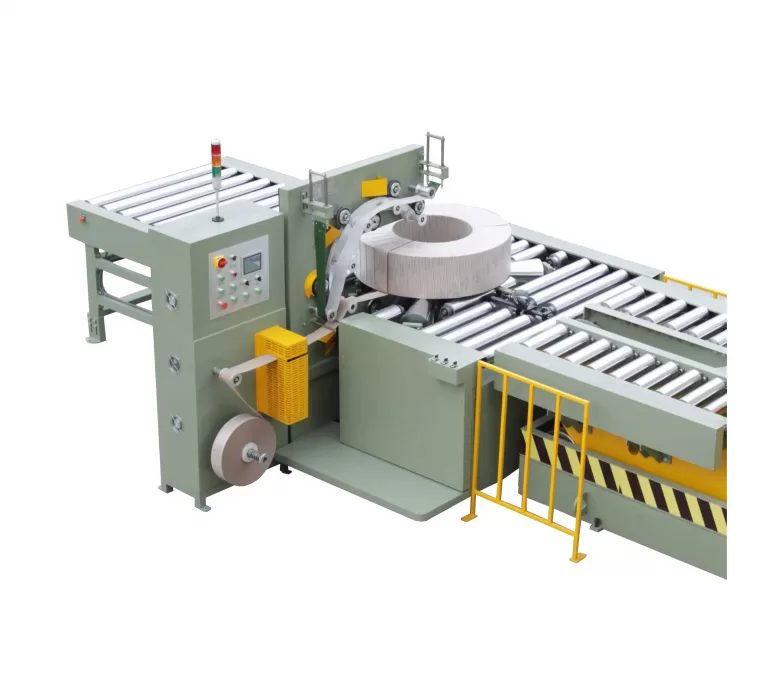
Key Parameters to Adjust for Optimal Performance
Understanding and adjusting the right settings on your copper coil wrapping machine is crucial for superior packing performance. Here are the main areas to focus on:
Tension Control
Maintaining the correct tension is vital to prevent coil damage and ensure tight, uniform wrapping. Too much tension can cause deformation, while too little can result in loose packaging.
Wrapping Speed
Setting the appropriate speed balances productivity with quality. Faster speeds increase output but may compromise wrapping accuracy, whereas slower speeds enhance precision.
Material Alignment
Proper alignment of the copper coils ensures even wrapping and reduces the risk of misalignment, which can lead to uneven packaging and potential product damage.
| Parameter | Optimal Setting | Common Issues when Misadjusted |
|---|---|---|
| Tension Control | 15-20 N | Over-tension: Coil deformation Under-tension: Loose wrapping |
| Wrapping Speed | 60-80 RPM | Too fast: Inconsistent wraps Too slow: Reduced productivity |
| Material Alignment | Precise alignment within 0.5 mm | Misalignment: Uneven packaging Frequent adjustments needed |
By carefully monitoring these parameters, you can achieve a balance that maximizes both efficiency and quality. Regularly reviewing and adjusting settings based on the type of copper coil and specific production requirements will lead to consistent and superior packing performance.
3. What Are the Best Maintenance Practices to Ensure Consistent Performance of Coil Wrapping Machines?
Maintaining a coil wrapping machine can be daunting. I’ve seen machines break down due to neglect, causing production halts and financial losses. Regular maintenance is essential to prevent these issues and keep operations running smoothly.
Regular maintenance of coil wrapping machines ensures consistent performance by preventing breakdowns, extending machine lifespan, and maintaining high packing quality standards. Proper upkeep minimizes downtime and maximizes efficiency.

Comprehensive Maintenance Strategies for Longevity and Efficiency
Keeping your coil wrapping machine in top condition requires a proactive approach. Here are the best practices I follow to ensure consistent performance:
Routine Inspections
Regularly inspecting the machine for wear and tear helps identify potential issues before they escalate. Focus on moving parts, electrical connections, and alignment components.
Lubrication
Proper lubrication of all mechanical parts reduces friction and prevents overheating. Use manufacturer-recommended lubricants and adhere to the lubrication schedule.
Cleaning
Keeping the machine clean prevents the buildup of dust and debris, which can interfere with operations and cause mechanical failures. Implement a daily cleaning routine.
| Maintenance Activity | Frequency | Best Practices |
|---|---|---|
| Routine Inspections | Weekly | Check for loose bolts, inspect belts and gears |
| Lubrication | Monthly | Apply lubricants to all moving parts, following guidelines |
| Cleaning | Daily | Remove dust and debris, use appropriate cleaning agents |
| Software Updates | As needed | Ensure control systems are up-to-date to prevent glitches |
| Calibration | Quarterly | Verify and adjust machine settings for accuracy |
| Replacement of Worn Parts | Annually or as needed | Replace belts, bearings, and other worn components promptly |
Implementing these maintenance practices not only ensures the coil wrapping machine operates efficiently but also prolongs its lifespan. By staying ahead of potential problems, you can avoid costly repairs and unplanned downtime, ultimately enhancing the overall productivity of your packaging processes.
Conclusion
Efficient packing of copper coils using a coil wrapping machine is achievable through careful consideration of influencing factors, precise machine setting optimizations, and diligent maintenance practices. Implementing the strategies discussed ensures enhanced productivity, reduced waste, and consistent packaging quality. By prioritizing these elements, manufacturers can maintain a competitive edge in the copper coil packaging industry.








