
Pallet Inverter System Enhances Food & Beverage Warehouse Efficiency in USA
1. Customer Background (Why)

A leading food distribution company in the Midwest USA operates a 150,000 sq ft warehouse handling over 500 pallets daily. Their existing manual pallet handling processes created significant bottlenecks in their cold chain logistics. The company sought automated pallet inversion solutions to maintain temperature control integrity while improving material flow efficiency between receiving and shipping areas.
Primary Objectives:
- Achieve 30% faster pallet transfer cycles
- Eliminate manual handling injuries
- Maintain consistent load stability during transfers
- Enable seamless integration with existing conveyor systems
2. Customer Challenges (Pain Points)
| Challenge Category | Specific Issues |
|---|---|
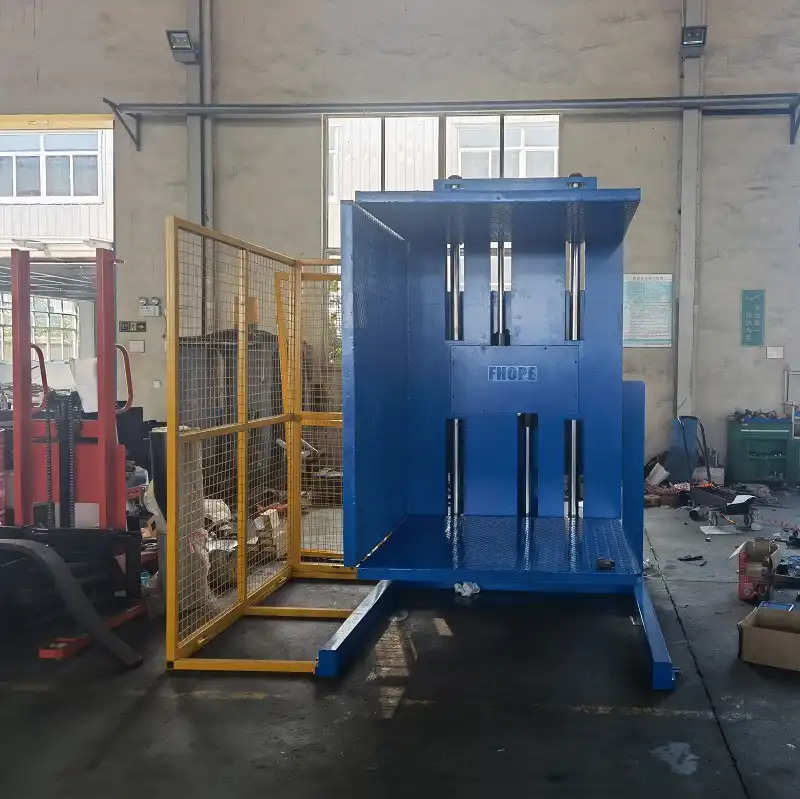
| Efficiency | 8-10 minute manual pallet transfers disrupting cold chain continuity |
| Labor Costs | 3 dedicated staff required for pallet handling operations |
| Safety Risks | 4 reported back injuries annually from manual lifting |
| Quality Control | 15% product damage rate from unstable manual transfers |
| Production Flow | Inconsistent throughput during peak seasonal demand |
3. FHOPEPACK Solution (How)
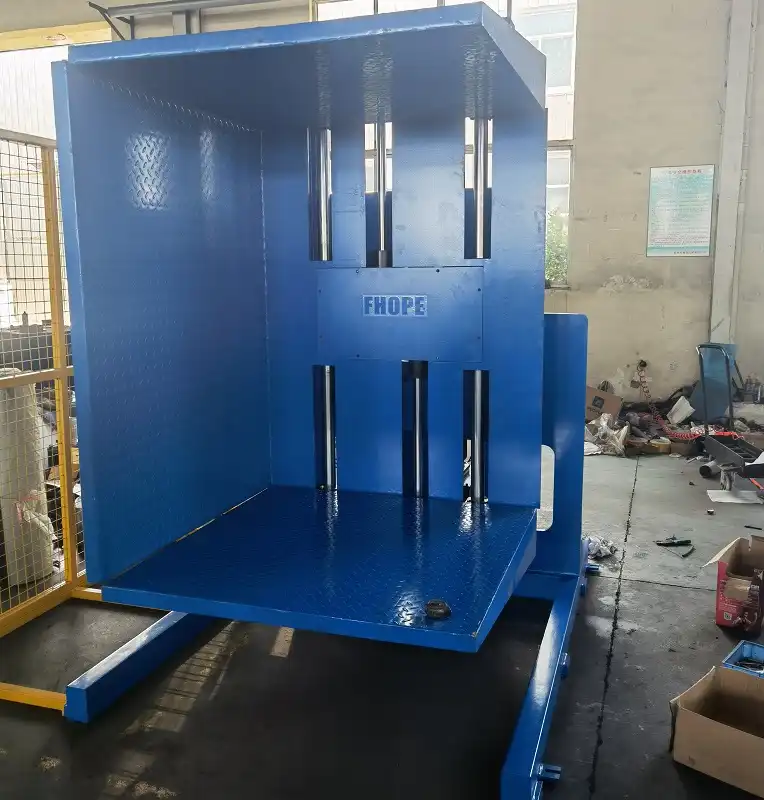
Equipment Provided: FHOPEPACK FP-1500 Semi-Automatic Pallet Inverter System
Technical Specifications:
- Capacity: 1,500kg standard load
- Size Range: 800-1200mm pallet compatibility
- Control System: Siemens PLC with HMI interface
- Safety Features: Dual-hand operation, emergency stop, safety curtains
- Customization: Food-grade stainless steel construction with USDA compliance
Automation Process:
- Automated pallet positioning via roller conveyor
- Hydraulic clamping with pressure monitoring
- 180-degree rotation with ±1° precision
- Integrated load stability verification
- Automatic transfer to outgoing conveyor
4. Implementation Process (Process)
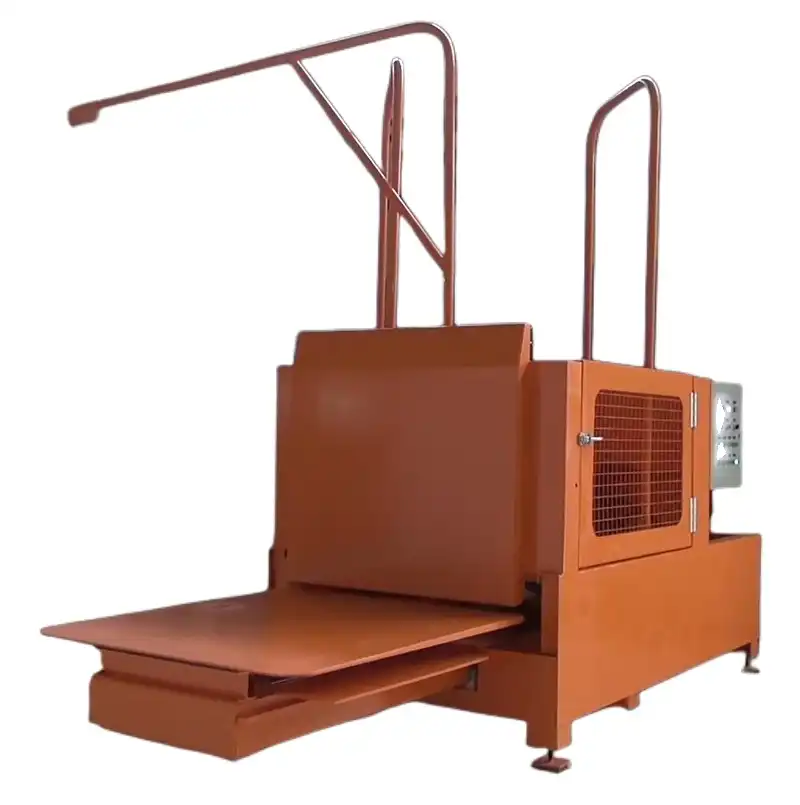
Phase Timeline & Activities:
| Phase | Duration | Key Activities |
|---|---|---|
| Site Assessment | 3 days | Warehouse layout analysis, throughput measurement |
| Technical Specification | 2 weeks | Load requirements, integration points, safety protocols |
| Factory Acceptance Test | 1 week | System validation with client participation |
| Installation & Commissioning | 5 days | Mechanical installation, electrical integration, system calibration |
| Operator Training | 3 days | Hands-on operation, maintenance procedures, safety protocols |
| Performance Validation | 2 days | 48-hour continuous operation testing |
5. Customer Benefits / ROI (Results)
Quantifiable Improvements:
| Metric | Before | After | Improvement |
|---|---|---|---|
| Transfer Cycle Time | 8-10 minutes | 2 minutes | 75% faster |
| Required Operators | 3 staff | 0.5 FTE | 83% reduction |
| Product Damage Rate | 15% | 2% | 87% reduction |
| Workplace Injuries | 4 annually | 0 | 100% elimination |
| Daily Throughput | 80 pallets | 200 pallets | 150% increase |
Additional Benefits:
- Enhanced traceability through automated data logging
- Consistent load integrity throughout handling process
- Reduced temperature fluctuation in cold chain operations
- Scalable automation for future expansion
6. Customer Testimonial
“The pallet inverter system transformed our warehouse operations. Our engineering team particularly appreciates the precision controls and seamless integration with our existing conveyor infrastructure. The automation has eliminated our most labor-intensive and hazardous manual process while maintaining perfect load stability for our temperature-sensitive products.”
— Warehouse Operations Manager, Midwest Food Distributor
7. Conclusion
FHOPEPACK’s material handling solutions demonstrate proven effectiveness in food and beverage warehousing applications across North American markets. Our engineering-focused approach ensures each pallet inverter system addresses specific operational requirements while maintaining flexibility for future process evolution. The documented performance improvements in efficiency, safety, and quality control make automated pallet handling a strategic investment for modern distribution centers.
For operations managers evaluating automation solutions, our technical team provides comprehensive feasibility analysis based on your specific throughput requirements and facility constraints.








