
Entry-Level vs High-End Steel Wire Packing Lines | Performance Comparison
For years, I have seen countless factories struggle with their packing processes. The pressure to boost output, control costs, and keep workers safe is constant. Many factory managers, like Michael in Mexico, face real challenges. They deal with slow manual packing, high injury risks, and product damage during handling. These issues slow down production and eat into profits. (packing line challenges, factory manager pain points, manual packing risks)
The choice between an entry-level and a high-end steel wire packing line is not just about price. It is about understanding your factory’s specific needs, long-term goals, and the true cost of operations. Both types of machines offer distinct advantages and limitations in terms of speed, automation, safety features, and overall performance. Making the right decision can directly impact your efficiency, safety, and bottom line for years to come.

So, how do you make this important choice? How can you invest wisely and get a solution that truly solves your problems? Let’s dive deeper into what each type of packing line offers. I will share insights from my own journey, from packing machine employee to factory owner, to help you navigate this decision.
1. What exactly defines an entry-level steel wire packing machine?
Many factory owners want to improve their packing process without a huge initial investment. They see an entry-level machine as a quick fix. However, understanding what “entry-level” really means is crucial. It is more than just a lower price tag. (entry-level packing machine, initial investment, packing process improvement)
An entry-level steel wire packing machine typically offers basic functionality for wrapping or banding wire coils. It focuses on the core task of securing the product, often requiring more manual intervention. These machines are simpler in design, have fewer automated features, and operate at lower speeds compared to their high-end counterparts. They serve as a foundational step into mechanical packing.
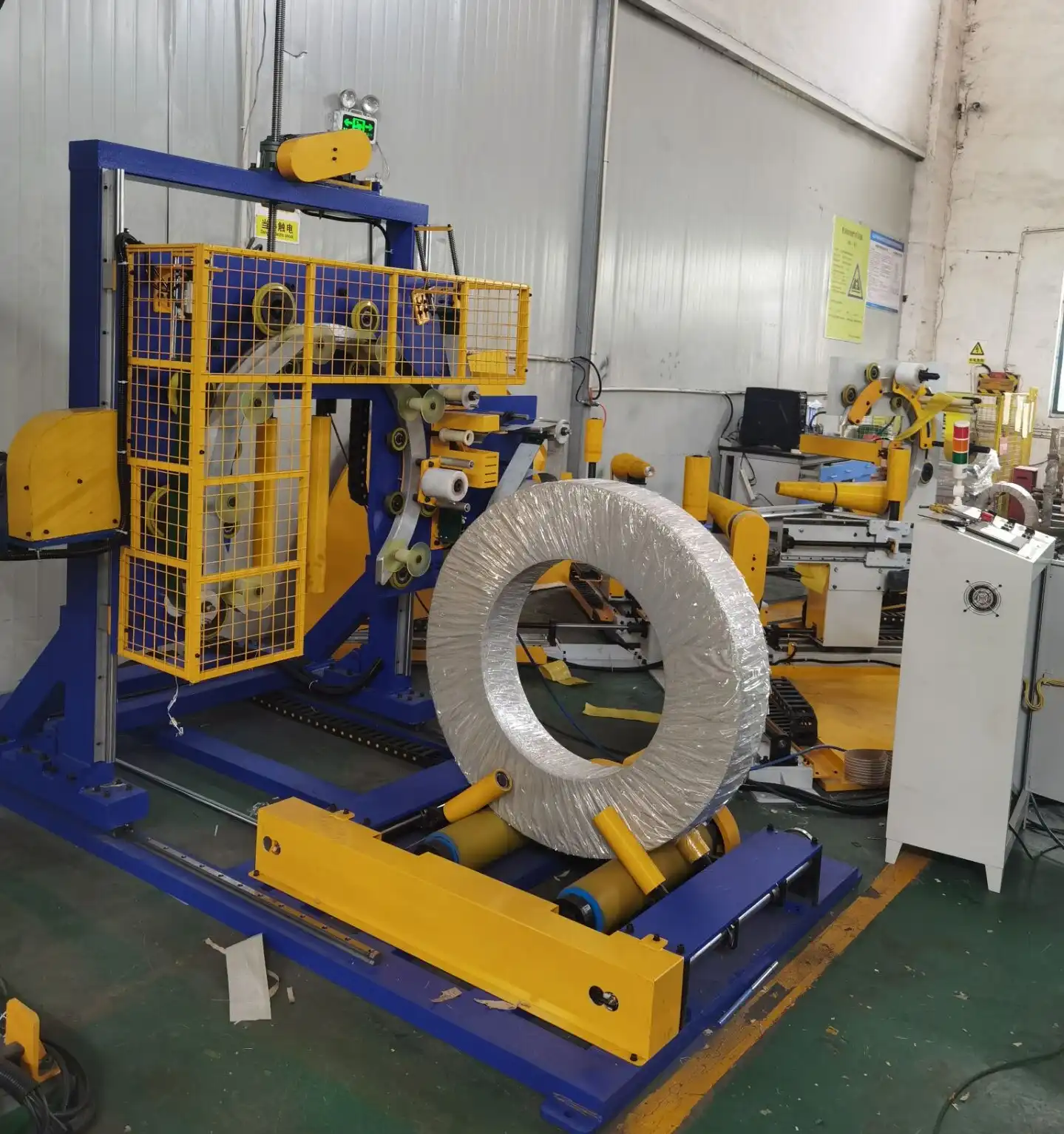
Basic Functionality and Limitations
Entry-level machines are straightforward. They perform essential packing tasks. For instance, they can wrap steel wire coils with film or strap them. This reduces some manual labor. However, they usually demand significant human input for loading, unloading, and adjusting. This means operators still handle heavy coils, which can lead to safety risks. My own factory started small, and I saw firsthand how even basic mechanization made a difference, but also how it created new bottlenecks. It’s like having a good car engine but no power steering; you get the job done, but it is harder. These machines might not have advanced sensors or intelligent controls. So, they cannot adjust automatically to different coil sizes. This requires manual setup changes, which takes time. (manual packing intervention, coil handling safety, basic packing machine features)
Consider the scenario Michael Chen faces in Mexico. His factory relies on manual processes. An entry-level machine might seem like a good first step to reduce some manual effort. But it does not fully solve the efficiency bottlenecks. It also might not greatly improve the safety issues with heavy lifting. The machine might wrap the product, but workers still lift coils onto the machine. This keeps injury risks high. Product damage can still happen during these manual transfers. So, while the initial cost is lower, the true operational cost can stay high. You save money upfront, but you pay more in labor, potential injuries, and less throughput. It is a trade-off. (factory efficiency bottlenecks, heavy lifting safety, operational cost considerations)
| Feature | Entry-Level Machine | Impact on Operations |
|---|---|---|
| Automation Level | Low | More manual loading/unloading, slower process |
| Speed | Slower | Limits production throughput, causes bottlenecks |
| Safety Features | Basic | Workers still handle heavy items, higher injury risk |
| Customization | Limited | Less adaptable to different product sizes, manual changes |
| Initial Cost | Lower | Appears budget-friendly, but hidden costs exist |
| Labor Requirement | High | Needs more operators, increasing labor costs |
Entry-level packing machines are best for factories with low production volumes or very tight budgets. They offer a starting point for automation. But they are not a complete solution for large-scale operations aiming for maximum efficiency and safety. It is important to see them as part of a larger automation journey, not the end goal. (packing automation journey, low volume production, budget-friendly options)
2. How do high-end steel wire packing lines deliver superior performance?
After running my own successful packing machine factory, I learned that true performance comes from smarter engineering. High-end machines are built to solve the complex problems that managers like Michael face every day. They move beyond just wrapping. (packing machine engineering, complex factory problems, superior machine performance)
High-end steel wire packing lines integrate advanced automation, robust construction, and intelligent control systems. They are designed for high throughput, minimal manual intervention, and superior product protection. These machines offer features like automatic loading, precise tension control, seamless material handling, and data analytics. This leads to significantly improved efficiency, enhanced safety, and consistent packaging quality, truly mastering the packing process.
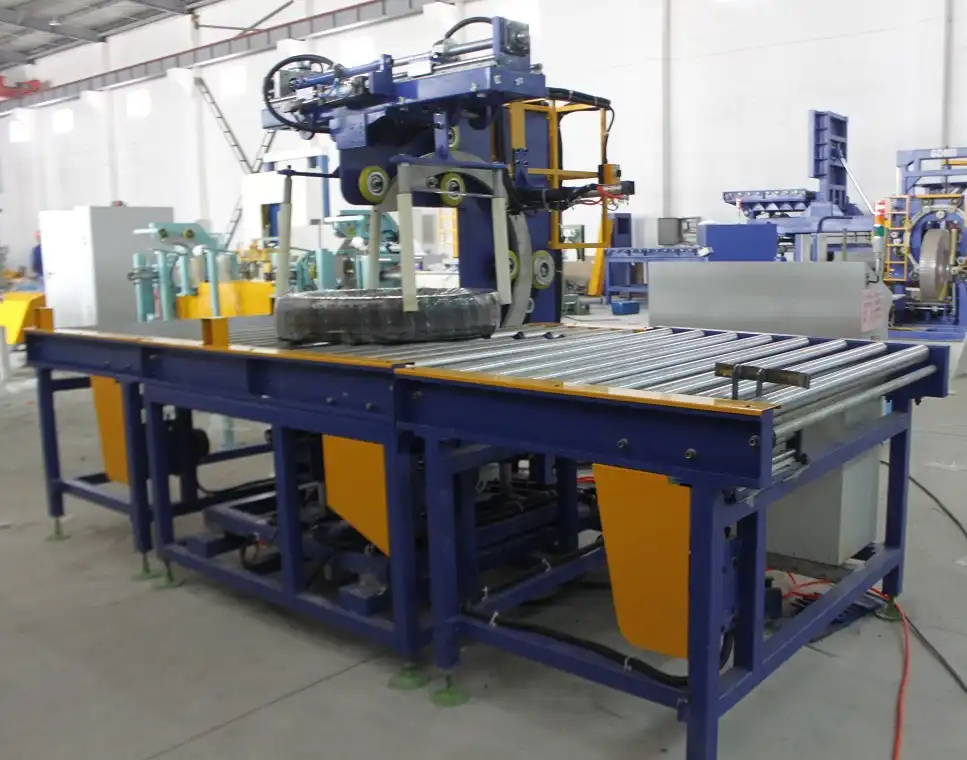
Driving Efficiency, Safety, and Quality with Advanced Technology
High-end packing lines are game-changers. They transform the entire packing process. Think about Michael’s factory again. His current manual process is slow. It causes bottlenecks. A high-end line automates most steps. This means coils are loaded, wrapped, and discharged without much human effort. This dramatically increases speed and throughput. It solves those efficiency bottlenecks. This kind of automation removes the need for workers to manually handle heavy steel coils. My experience shows that reducing heavy lifting directly cuts down on workplace injuries. This is a massive win for worker safety and reduces insurance costs. (packing process automation, heavy coil handling, workplace injury reduction)
These machines also offer much better product protection. They have precise tension control. This means the packaging material is applied consistently. It prevents damage to the steel coil edges during transit or storage. Damaged products lead to customer complaints and lost profits. High-end machines help avoid this. Furthermore, they are built to last. They use high-quality components designed for continuous, demanding industrial environments. This reduces downtime and maintenance costs. For a factory manager like Michael, reliability is key. Any machine downtime means huge losses. These machines are also often equipped with diagnostic tools. They can identify problems early. This helps with preventive maintenance. It keeps the line running smoothly. (product damage prevention, industrial packing machine reliability, predictive maintenance)
Key benefits of high-end steel wire packing lines:
- ⬆️ Automation: Automatic loading, wrapping, and unloading reduce labor needs.
- ⚡ Speed: Higher cycle times mean more coils packed per hour.
- 🛡️ Safety: Minimal human interaction with heavy coils lowers injury risks significantly.
- ✨ Quality: Consistent, tight wrapping protects product integrity, reducing damage.
- 📊 Data: Integrated systems can track production data, helping optimize operations.
- 💪 Durability: Built with heavy-duty components for long-term, continuous use in harsh environments.
A high-end machine is an investment in the future of your factory. It’s about optimizing every aspect of the packing process. It is not just about wrapping a coil. It is about wrapping it fast, safely, and perfectly every time. This ensures a smoother operation and happier customers. My own journey showed me that investing in quality pays off in the long run. It builds a more resilient and profitable business. (factory optimization, long-term packing investment, business profitability)
3. Why should a factory manager consider the long-term ROI of advanced packing solutions?
Many managers focus on the upfront cost of equipment. This is natural. But my years in the industry taught me to look beyond the immediate price tag. True value comes from long-term benefits. This is especially true for advanced packing solutions. (equipment upfront cost, long-term investment value, advanced packing ROI)
Considering the long-term Return on Investment (ROI) for advanced packing solutions is critical because the initial investment is often quickly offset by significant operational savings. These savings come from reduced labor costs, fewer product damages, lower safety-related expenses, and increased production throughput. An advanced system directly addresses efficiency bottlenecks and safety hazards, making the factory more profitable and sustainable over time.

Unlocking Hidden Savings and Boosting Profitability
Let’s break down the ROI. Think about Michael’s challenges. He currently uses a lot of manual labor for packing. This means high labor costs. An advanced automated packing line can replace several workers for this task. The salary savings alone can be substantial over a few years. My own factory saw this clearly. We reduced our workforce in packing areas, allowing us to reallocate skilled labor to other critical tasks. This increased our overall productivity. (automated packing labor savings, workforce reallocation, factory productivity boost)
Then there’s the issue of safety. Manual handling of heavy steel coils leads to injuries. These injuries cost money in worker’s compensation, medical bills, and lost productivity due to absent staff. There’s also the cost of replacing and training new employees. An automated system drastically reduces human interaction with heavy loads. This lowers the risk of accidents. It translates into significant savings on safety-related expenses. It also creates a safer, happier workplace. This is good for morale and reduces employee turnover. (workplace safety improvement, injury cost reduction, employee retention)
Product damage is another big drain on profits. Michael mentioned damaged steel coil edges. This leads to customer complaints and rework or scrap. An automated line offers consistent, high-quality packaging. It protects products better during internal transfers and shipping. This reduces damage claims and improves customer satisfaction. Better packaging means fewer returns and more repeat business. All these factors add up. The increased speed and reliability of a high-end system also mean higher output. You can pack more coils faster. This helps meet delivery deadlines and can take on more orders. This directly boosts revenue. (product damage reduction, customer satisfaction improvement, increased production output)
Here’s a simple ROI calculation example:
- Initial Investment (High-end machine): $150,000
- Annual Labor Savings: $40,000 (e.g., replacing 2 workers)
- Annual Product Damage Reduction: $15,000
- Annual Safety Cost Reduction: $5,000
- Increased Throughput/Revenue: $20,000
- Total Annual Savings/Gains: $80,000
In this example, the payback period would be less than two years ($150,000 / $80,000 ≈ 1.875 years). After that, the machine generates pure profit for the factory. This clear ROI makes a strong case for investing in advanced solutions, even with a higher upfront cost. It is about smart growth. (ROI calculation example, packing machine payback period, factory smart growth)
4. Which packing line type is the right investment for your steel wire business?
Choosing the right equipment is a critical decision. It impacts everything from daily operations to long-term profitability. My goal at FHOPEPACK is to help you make informed choices, not just sell you a machine. This decision needs careful thought about your specific situation. (packing equipment selection, informed investment choices, long-term profitability)
The right steel wire packing line depends entirely on your factory’s current production volume, growth ambitions, available budget, and most importantly, your commitment to safety and efficiency. For smaller operations with limited capital, an entry-level machine can be a starting point. However, for medium to large factories, or those with significant growth plans and safety concerns like Michael’s, a high-end automated solution offers the most sustainable and profitable path forward, ensuring mastery over your packing process.
Matching Your Needs to the Ideal Packing Solution
Let’s consider Michael’s situation. He runs a medium-to-large metal processing plant. He faces high pressure for throughput and safety. His current packing is slow and unsafe. For him, investing in an entry-level machine might offer minor improvements. But it will not solve his core problems of efficiency bottlenecks and high safety risks. He needs a robust, high-performance solution. A high-end automated steel wire packing line would directly address his goals: boosting automation, improving safety by reducing manual handling, and cutting costs through efficiency. (medium-large factory packing needs, automated solution benefits, factory core problem solving)
Consider these factors when making your choice:
- Current Production Volume: How many steel wire coils do you pack daily?
Low (<50 coils/day): Entry-level might suffice for now.Medium (50-200 coils/day): High-end offers significant advantages.High (>200 coils/day): High-end is essential for efficiency and scalability.
- Future Growth Plans: Are you planning to increase production or expand into new markets?
No immediate growth: Entry-level may be okay.Significant growth expected: High-end systems offer better scalability.
- Budget: What is your allocated capital for this investment?
Very limited initial budget: Entry-level may be the only option.Flexible budget with ROI focus: High-end provides better long-term returns.
- Safety Priorities: How critical is it to eliminate manual heavy lifting and reduce injuries?
High priority: High-end automated systems are crucial.Lower priority: Entry-level machines still require human interaction.
- Labor Availability & Cost: How easy is it to find and retain labor for packing tasks?
Scarce/Expensive labor: High-end automation saves costs.Ample/Affordable labor: Entry-level might be temporarily sustainable.








