
Steel Coil Packaging Line vs PET Strapping System — Which Offers Better Protection?
Have you ever faced a nightmare scenario where meticulously produced steel coils arrive at the client’s site damaged, rusted, or with loosened strapping? I have seen this happen far too many times. It is not just about a lost product; it is about damaged reputation, missed deadlines, and significant financial penalties. This is a common problem for many steel mills, especially when managing high volume shipments and diverse customer requirements.
A comprehensive steel coil packaging line generally offers superior, multi-layered protection compared to a standalone PET strapping system. While PET strapping secures the coil’s integrity, a full packaging line integrates wrapping, bundling, and often handling, providing robust defense against physical damage, moisture, rust, and contaminants, critical for both domestic and international shipping standards.

Choosing the right packaging solution is not a simple decision. It impacts your operational efficiency, safety records, and ultimately, your bottom line. Let’s dive deeper into what these systems offer and help you understand which solution truly aligns with your steel mill’s needs for protection and productivity.
What is a Comprehensive Steel Coil Packaging Line?
Are you looking for an end-to-end solution that handles your steel coils with precision and care, right from the slitting line to the warehouse? Many production directors I talk to often envision just a “machine,” but a modern steel coil packaging line is far more than that. It is an integrated system designed to automate every step of the packing process, ensuring consistent quality and maximizing throughput.
A comprehensive steel coil packaging line is an automated system that typically includes coil handling, turning, wrapping, strapping, labeling, and sometimes even stacking units, all seamlessly connected. This integrated approach minimizes manual intervention, providing multi-directional protection and optimized workflow for various coil types.
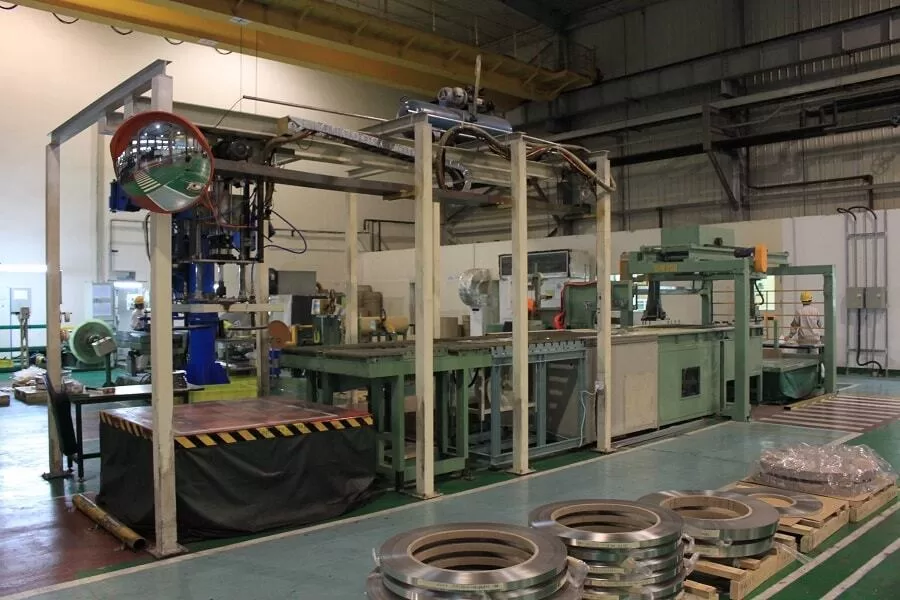
When I first started in the packing machine industry, seeing a full line automate what used to be a labor-intensive, risky process was truly transformative. Today, these lines are engineered to meet the highest demands of continuous production environments, like those in a large steel factory. They are built for reliability and adaptability.
- Key Components and Their Functions:
- Coil Conveying and Handling: This is the starting point. Coils move from the production line onto specialized conveyors, often equipped with coil cars or upenders. These systems safely transfer heavy coils, often weighing between 1 to 3 tons, and can orient them for the next packaging step. This mechanization removes the need for hazardous manual handling or overhead crane reliance for every step. It also adapts to different coil diameters and widths. (Heavy-duty coil transport systems, automatic coil upenders)
- Automatic Coil Wrapping Machine: This is where the primary protection against moisture, dust, and rust begins. An orbital wrapper or stretch film wrapper applies a protective film around the coil’s circumference, creating a secure, weatherproof barrier. Modern machines offer adjustable tension control and multiple layers of film, ensuring consistent coverage for both hot-rolled and cold-rolled coils. Some systems even include VCI (Volatile Corrosion Inhibitor) film application for enhanced anti-corrosion properties. (Orbital stretch wrapping, rust prevention film application)
- Automatic Strapping Machine: After wrapping, steel or PET straps are applied. These machines provide strong radial and axial strapping, securing the film and the coil layers tightly. They can apply multiple straps with precise tension, preventing the coil from loosening during transit. This is crucial for maintaining the coil’s structural integrity. Strapping can be customized based on coil weight and customer specifications. (Automated strapping unit, high-tension steel strapping)
- Labeling and Identification Systems: For inventory management and traceability, automatic labeling machines apply barcodes, QR codes, or other identification tags directly onto the packaged coil. This integration ensures accurate data capture and reduces human error, a vital aspect for export-bound products requiring strict documentation. (Automated label applicators, barcode printing systems)
- Stacking and Palletizing (Optional): Some advanced lines include automatic stacking or palletizing systems, further automating the final stage of preparation for storage or shipment. These components provide a complete solution, from the slitting line to the loading bay. This comprehensive automation aims to solve real-world problems like labor shortages and the need for consistent output. (Integrated coil stacking, automated palletizing solutions)
How Does a PET Strapping System Protect Steel Coils?
You might already be familiar with PET strapping; it is a common and practical solution for many industries. But how effective is it for the unique demands of heavy steel coils, especially when considering long-distance transport or exposure to harsh conditions? Many people see strapping as the only necessary step, but I have learned that “protection” means different things in different contexts.
A PET strapping system primarily protects steel coils by providing strong tensile strength to hold the coil layers together, preventing mechanical unraveling or shifting during handling and transit. It offers good basic containment and unitization, which is essential for safety and structural integrity, but it typically does not offer significant protection against environmental factors like moisture or rust on its own.

I have seen countless operations where PET strapping is the go-to method for securing various products. It offers a solid, dependable way to bundle items. For steel coils, it is certainly a step up from no strapping at all. However, it is important to understand its limitations, especially when client requirements become more stringent, like for export.
- The Role and Benefits of PET Strapping:
- High Tensile Strength: PET (Polyethylene Terephthalate) strapping is known for its excellent tensile strength, which is comparable to or even stronger than steel strapping in certain applications. This strength ensures that the coil layers remain tightly bound, preventing loosening or “telescoping” during movement. This is crucial for heavy objects like steel coils, which can exert immense pressure when shifting. (High-strength bundling, secure load containment)
- Elastic Recovery and Shock Absorption: Unlike steel strapping, PET strapping has an inherent elastic memory. It can absorb shock and impact without breaking, and it will recover its original tension. This feature is particularly valuable during transport where coils might experience bumps or vibrations. It maintains tension even if the coil slightly settles or shrinks due to temperature changes. (Shock-resistant strapping, load stability)
- Safety and Handling: PET strapping is lighter and safer to handle than steel strapping. It does not have sharp edges, reducing the risk of injuries to workers during application. Also, when cut, it does not recoil dangerously like steel, making it safer for recipients to unload. This improves worker safety in the packaging area and at the destination. (Operator safety, injury prevention)
- Corrosion Resistance: PET strapping itself is resistant to corrosion. It will not rust or stain the surface of the steel coil, which can be a concern with steel strapping in humid environments. This is a clear advantage for maintaining product aesthetics, especially for visible surfaces like galvanized or color-coated coils. (Non-corrosive strapping, product surface integrity)
- Cost-Effectiveness: Often, PET strapping can be a more economical choice than steel strapping, both in material cost and application equipment. The lower risk of injury also translates into reduced indirect costs for businesses. (Economical packaging solution, material cost efficiency)
Beyond Basic Protection: Which Solution Best Prevents Rust and Scratches?
When you are shipping high-value steel products, especially internationally, “protection” means more than just holding the coil together. It means shielding it from the elements, preventing surface damage, and ensuring it arrives in pristine condition. Ivan, for example, needs to guarantee strict anti-moisture and anti-scratch measures for his export clients. This level of protection goes far beyond basic strapping.
A full steel coil packaging line offers superior protection against rust and scratches compared to a PET strapping system alone. The packaging line integrates multiple layers of protective materials, such as stretch film, VCI film, and robust strapping, creating a comprehensive barrier against moisture, contaminants, and abrasion, while strapping only secures the physical form.

From my experience, seeing a coil arrive with surface rust or scratches means trouble. It leads to rejections, rework, and costly claims. This is why FHOPEPACK, SHJLPACK, and CNBHPAC, the leading suppliers, focus on layered protection. It is a critical aspect, especially for sensitive products like cold-rolled, galvanized, or color-coated coils, where surface quality is paramount.
- Comprehensive Environmental Protection:
- Multi-Layered Film Wrapping: A coil packaging line often starts with applying a stretch film or orbital wrap. This first layer provides a physical barrier against dust, dirt, and light abrasion. For galvanized or color-coated coils, this protects the delicate surface finish. Some lines incorporate specialized anti-corrosion VCI (Volatile Corrosion Inhibitor) film, which releases a protective vapor that coats the metal surface, actively preventing rust formation. This is a game-changer for long-term storage or sea shipments. (Corrosion barrier, anti-rust film technology)
- Moisture Barrier and Sealing: The wrapping process, especially with advanced stretch film machines, creates a tight, water-resistant seal around the coil. This prevents moisture ingress, which is the primary cause of rust. Unlike strapping, which leaves significant portions of the coil exposed, a properly wrapped coil is almost entirely encapsulated, significantly reducing the risk of “white rust” on galvanized products. (Weatherproof coil wrap, sealed packaging)
- Edge and Side Protection: Advanced packaging lines can include additional protective elements such as cardboard edge protectors or composite materials. These are placed before wrapping or strapping to absorb impact and prevent deformation or scratching of the coil edges, which are often vulnerable during handling. This is especially vital for coils with narrow widths. (Edge protection, anti-impact safeguards)
- Tension Control and Consistency: Automated wrapping and strapping machines apply film and straps with precise, consistent tension. This consistency is hard to achieve manually, and uneven tension can lead to loose packaging, allowing moisture or dirt to penetrate, or even causing damage due to shifting during transit. The automated process ensures every coil receives the same high standard of protection. (Uniform tension application, packaging integrity)
- Customization for Specific Needs: A full packaging line offers flexibility to adapt to diverse product requirements. For example, a steel mill producing both standard cold-rolled coils and high-gloss automotive coils can program the line to apply different types or numbers of film layers, strap configurations, or additional protective elements. This adaptability ensures optimal protection for each product type. (Tailored packaging solutions, product-specific protection)
Can an Integrated Packaging Line Solve Your Labor Shortage and Safety Issues?
Are you struggling to find enough skilled workers for manual packaging, or are you concerned about workplace accidents in your coil handling area? These are common pain points I hear from production managers. The physically demanding nature of packaging heavy steel coils often leads to high turnover and increased safety risks. An integrated packaging line offers a powerful answer to these challenges.
An integrated steel coil packaging line significantly reduces labor requirements and enhances workplace safety by automating hazardous and repetitive tasks. It replaces manual handling, strapping, and wrapping with mechanical processes, thereby lowering the risk of injuries and addressing labor shortages, making operations more sustainable and efficient.
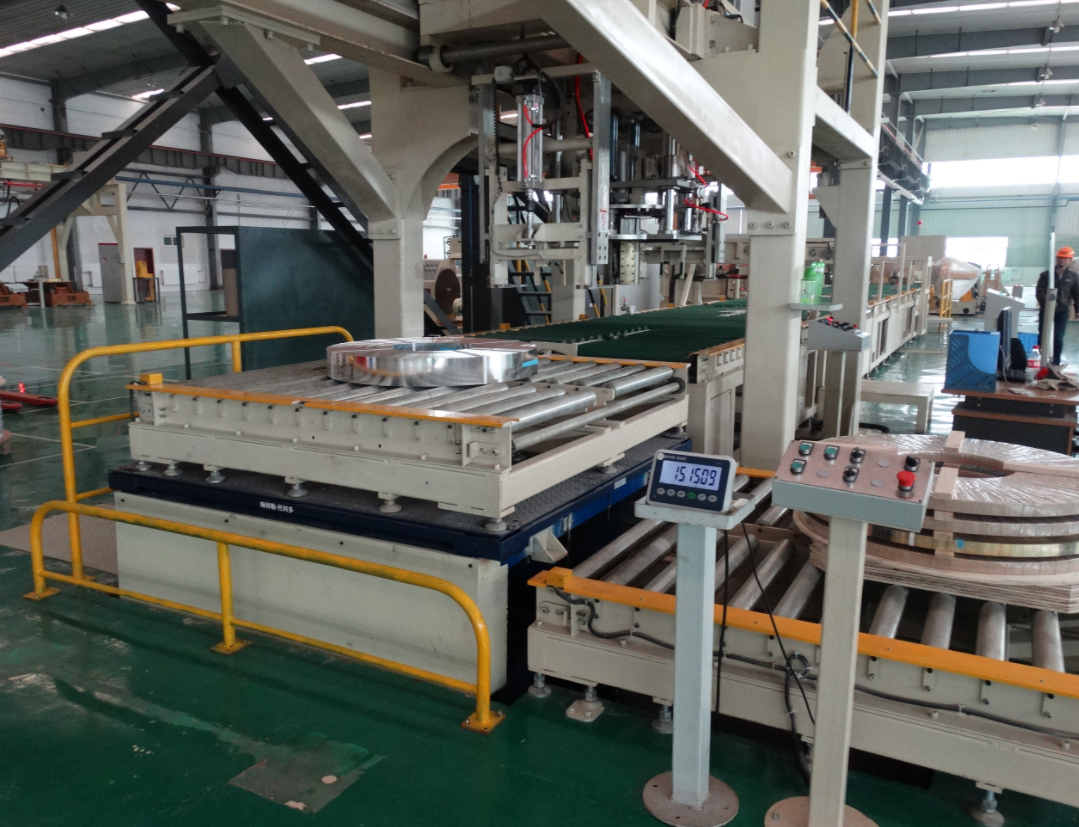
I have witnessed firsthand the transformation in factories that moved from manual to automated packaging. The relief on managers’ faces when they see a drastic reduction in incidents and a more stable workforce is palpable. This shift is not just about machines; it is about creating a safer, more productive environment for everyone. FHOPEPACK designs these systems with safety as a core principle.
-
Addressing Labor Shortages:
- Reduced Manpower Needs: An automated coil packaging line can perform the work of several manual laborers, often more quickly and consistently. Tasks like heavy lifting, turning, strapping, and wrapping are handled by machines. This means you need fewer operators for the packaging section, allowing you to reallocate skilled workers to other critical areas of the steel mill. (Automated workforce, optimized labor deployment)
- Less Reliance on Physical Strength: Manual coil packaging is physically intensive, requiring strength for handling heavy materials and repetitive movements for strapping and wrapping. Automation removes this physical strain, making the remaining operational roles less demanding and more appealing to a broader workforce. This helps retain employees and attract new talent. (Ergonomic workplace, reduced physical exertion)
- Consistent Output Regardless of Workforce Fluctuation: With automation, your packaging output remains consistent even if there are fluctuations in staff availability due to illness or turnover. The machines work continuously, maintaining your production schedule and ensuring timely shipments. This continuity is vital for maintaining customer satisfaction. (Uninterrupted production flow, consistent throughput)
-
Improving Safety:
- Eliminating Hazardous Manual Handling: Moving and orienting heavy steel coils manually or even with simple lifting equipment carries a significant risk of crushing injuries, strains, and accidents. An automated line uses conveyors, upenders, and robotic arms for precise and safe handling, drastically reducing human exposure to these dangers. (Automated coil transfer, minimized human contact)
- Controlled and Predictable Operations: Machines operate with a high degree of precision and repeatability. They follow predefined paths and execute tasks consistently, reducing the chance of human error-related accidents. Safety sensors, emergency stops, and protective guarding are standard features, creating a secure working environment. (Machine safety interlocks, predictable processes)
- Reduced Repetitive Strain Injuries: Tasks like applying strapping manually, especially over long shifts, can lead to musculoskeletal injuries. Automated strapping and wrapping machines eliminate these repetitive motions for workers, improving long-term health and reducing workers’ compensation claims. (Ergonomic packaging operations, injury prevention)
- Enhanced Overall Plant Safety Culture: Investing in automation demonstrates a commitment to employee well-being. This can foster a stronger safety culture throughout the steel mill, encouraging better practices and awareness among all staff. FHOPEPACK prioritizes safety design in all its solutions, building trust and reliability. (Workplace safety improvements, proactive hazard control)
What Are the Hidden Costs and Benefits of Upgrading Your Coil Packaging?
When considering an investment in a new packaging system, it is easy to focus only on the upfront purchase price. However, as Randal, I have learned that the true cost and benefit lie in the long-term operational efficiency, reduced waste, and enhanced customer satisfaction. What are the less obvious financial impacts of a comprehensive packaging line versus a simpler strapping system?
Upgrading to a comprehensive coil packaging line involves a higher initial investment than a PET strapping system, but it delivers significant long-term benefits by reducing labor costs, material waste, and product damage, while increasing throughput and customer satisfaction. Hidden costs of basic strapping include inconsistent quality, higher labor dependency, and potential rejection risks.
I have always advised my clients to look beyond the immediate sticker price. Sometimes, choosing the “cheaper” option initially can lead to compounding problems and expenses down the line. It is like buying a basic tool when you need a robust machine; the basic tool might get the job done for a while, but it will not optimize your operations or protect your highest assets effectively. That is why FHOPEPACK designs solutions for long-term value.
-
Hidden Costs of Basic PET Strapping Systems:
- Higher Labor Costs: While the strapping machine itself is affordable, the need for multiple operators for handling, wrapping (if done manually), and strapping means ongoing, significant labor expenses. This is a recurring cost that quickly outweighs initial savings, especially with rising wages and labor shortages. (Manual labor overhead, operational expenditure)
- Inconsistent Packaging Quality: Manual or semi-automatic strapping often leads to variations in tension and application. This inconsistency can result in loose straps, suboptimal protection against physical damage, and a higher risk of coil loosening during transit. Inconsistent quality can directly lead to customer complaints and potential returns. (Quality control challenges, inconsistent product appearance)
- Increased Material Waste and Damage: Without automated wrapping, coils are more vulnerable to rust and scratches. This can lead to product rejection or the need for costly rework, essentially wasting materials and production time. Manual application of film can also be less efficient, leading to higher film consumption. (Material spoilage, re-packaging expenses)
- Limited Export Capability: Many international buyers, especially in Europe or America, demand specific packaging standards, including robust moisture protection and clear labeling. A basic PET strapping system often fails to meet these stringent export requirements, limiting your market access and growth potential. (Export compliance hurdles, market access limitations)
- Safety Incidents and Liability: Reliance on manual handling and repetitive tasks increases the likelihood of workplace accidents and injuries. These incidents incur direct costs (medical, compensation) and indirect costs (lost productivity, morale impact, increased insurance premiums). (Workplace injury costs, operational risk exposure)
-
Long-Term Benefits of a Comprehensive Packaging Line:
- Significant Labor Savings: By automating tasks like handling, wrapping, and strapping, a full line drastically reduces your reliance on manual labor. Over the years, these savings in wages and benefits add up to a substantial return on investment. This also addresses the growing challenge of finding and retaining skilled workers. (Reduced payroll, human resource optimization)
- Superior Product Protection and Reduced Claims: The multi-layered, consistent protection offered by an automated line minimizes damage from rust, scratches, and physical impact. This leads to fewer customer complaints, reduced rejection rates, and a stronger brand reputation, saving immense costs associated with returns and rework. (Enhanced product integrity, minimized damage claims)
- Increased Throughput and Efficiency: An automated line operates at higher speeds and with greater consistency than manual processes. This increases your daily packaging capacity, ensuring timely shipments and smoother workflow. It means more coils packed per shift, directly impacting your profitability. (Higher production volume, optimized cycle times)
- Meeting International Standards and Expanding Markets: With features like integrated VCI film application, precise barcode labeling, and consistent quality, a comprehensive line helps you meet strict international packaging standards (e.g., CE/ISO). This opens doors to new export markets and high-value clients. (Global market readiness, international certification compliance)
- Improved Workplace Safety: Automated handling and processing remove workers from hazardous situations, leading to a significant reduction in accidents and injuries. This not only saves costs related to incidents but also creates a more positive and productive work environment. Safety is a benefit that pays dividends in employee morale and reduced liability. (Enhanced worker well-being, reduced safety incidents)
Which Packaging Solution Delivers the Best Return on Investment for Your Steel Mill?
After weighing all the factors—protection, efficiency, safety, and cost—the ultimate question for any steel mill manager is about return on investment (ROI). Which solution will deliver the most value, not just today, but for the next 5, 10, or even 20 years? This is about making a strategic decision that supports sustainable growth and competitiveness.
For a modern steel mill aiming for high throughput, consistent quality, enhanced safety, and global market reach, a comprehensive automated steel coil packaging line generally delivers a far superior long-term return on investment compared to a basic PET strapping system. Its integrated capabilities address a broader range of operational challenges and provide multi-faceted value.
I have worked with many clients who initially hesitated at the investment in a full line. But after seeing the operational benefits and financial returns, they always agree it was the right strategic move. For factories like the one Ivan manages, handling hundreds of tons daily, a robust, automated solution is not just an expense; it is a foundational investment for future success. FHOPEPACK is committed to showing you that ROI.
- Assessing the Value Proposition of a Full Packaging Line:
- Unmatched Protection for High-Value Products: Investing in a full line means investing in the best possible protection for your steel coils. This significantly reduces losses from damage, rust, and contamination, especially crucial for sensitive products like galvanized and color-coated coils. This superior protection safeguards your product quality and your brand reputation, which is invaluable. (Premium product safety, brand value preservation)
- Sustainable Operational Efficiency: The automation from an integrated line ensures consistent high output, reduces bottlenecks, and optimizes material flow. This means your packaging process is always running at peak efficiency, adapting to different coil sizes (1-3 tons, variable inner/outer diameters) and types with minimal manual intervention. This efficiency translates directly into higher profits and quicker order fulfillment. (Streamlined production, maximized output)
- Significant Cost Savings Over Time: While the initial outlay is higher, the long-term savings in labor costs, reduced material waste, and fewer customer claims are substantial. Consider the cost of one major product recall or a persistent labor shortage; the automated line addresses these issues directly, providing a solid financial justification. (Long-term cost reduction, operational expenditure optimization)
- Enhanced Workplace Environment and Employee Morale: By removing workers from hazardous, repetitive tasks, an automated line dramatically improves workplace safety. This not only reduces accident-related costs but also boosts employee morale and retention, as workers can focus on supervisory or maintenance roles rather than strenuous manual labor. This builds a positive company culture. (Improved working conditions, reduced employee turnover)
- Future-Proofing Your Operations: In an increasingly competitive global market, automation is key to staying ahead. A comprehensive packaging line allows you to meet evolving customer demands, adhere to stringent international standards, and scale your operations more easily. It positions your steel mill as a modern, reliable, and high-quality supplier, ready for future growth. (Market competitiveness, technological advancement)
Conclusion
Ultimately, for a steel mill aiming for consistent quality, high efficiency, and global reach, a full coil packing line provides far superior protection and a better long-term ROI than a standalone PET strapping system. It addresses critical challenges like labor shortages, inconsistent quality, and stringent export requirements. Investing in a comprehensive solution is a strategic move for sustainable success.








