
Is an Aluminum Coil Hydraulic Upender Essential for Your Foil and Sheet Production?
Are you a factory manager in Mexico, constantly battling production bottlenecks and worrying about worker safety? Do you see valuable aluminum coils getting damaged during handling, directly impacting your bottom line? I know these challenges well. For years, I have seen factories struggle with outdated methods. This often leads to inefficiencies and high costs. (Aluminum coil handling solutions, factory operations challenges)
An aluminum coil hydraulic upender is a critical piece of equipment for modern foil and sheet production. It safely and efficiently rotates heavy coils from a horizontal to a vertical position, or vice versa. This reduces manual labor, prevents product damage, and significantly improves overall operational safety and efficiency in your plant. It ensures smoother material flow for further processing or packing. (Hydraulic upender benefits, coil handling efficiency)
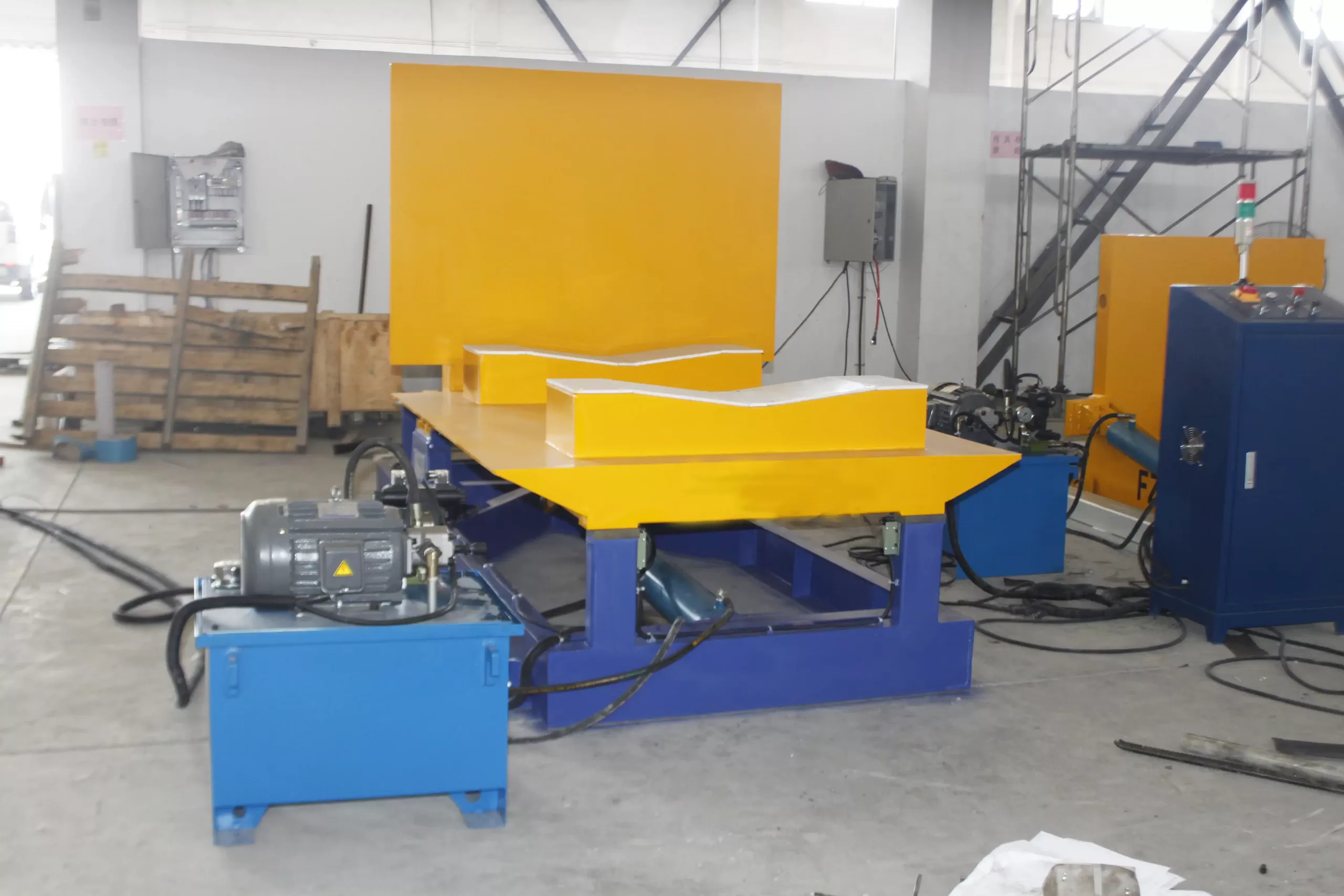
If these struggles resonate with your daily reality, then this article is for you. We will explore how investing in the right equipment, like a hydraulic upender, can solve many of your current pains. It can also pave the way for a more automated and profitable future. (Automated coil handling, production bottleneck solutions)
1. Why Are Traditional Coil Handling Methods Failing in Modern Production?
Is your factory still relying on manual labor or makeshift methods to handle heavy aluminum coils? This approach seems cost-effective at first. However, it often hides significant operational weaknesses. These weaknesses can slow down your entire production line. (Manual coil handling risks, production delays)
Traditional coil handling methods, such as using cranes with slings or relying on manual pushing and pulling, frequently fail in modern production due to inherent safety risks, slow operational speeds, and a high potential for product damage. These outdated practices create efficiency bottlenecks and increase labor costs. They also lead to more worker injuries and client complaints about damaged goods. (Inefficient coil handling, industrial safety concerns)
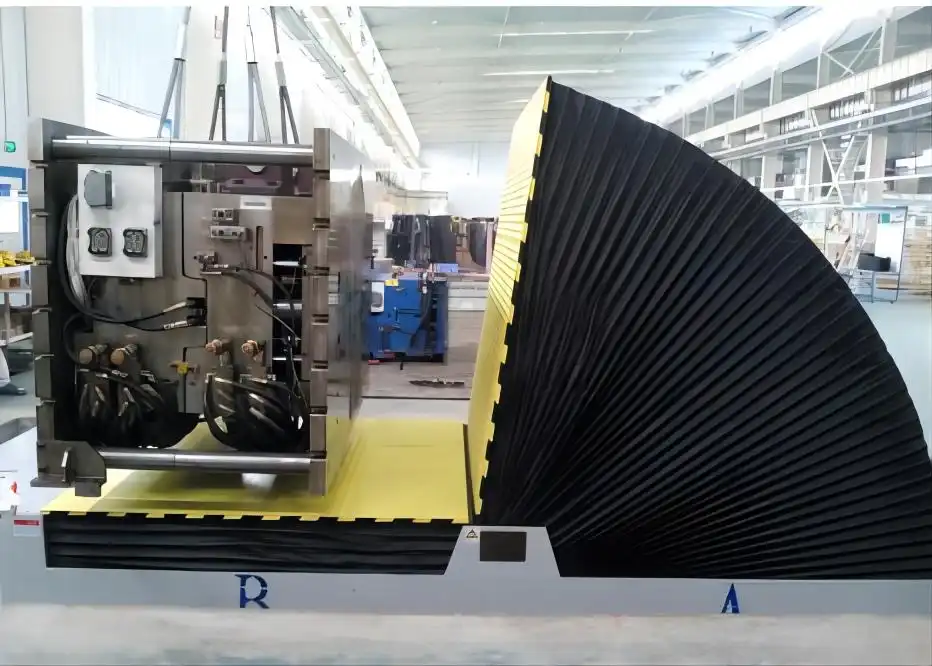
From my experience, watching factories, especially those dealing with steel wire or coil packing, I have seen these issues firsthand. Michael, in your metal processing plant, I can picture your team struggling with these heavy coils. Let’s break down why these methods are holding you back.
🏭 The Bottleneck Effect: Slowing Down Your Entire Line
Current packaging processes often depend too much on manual labor. This makes them slow and inefficient. This problem greatly impacts your overall production and delivery speeds. A single delay here can ripple through your entire factory. It holds back subsequent operations like packing. It delays shipment to customers. (Production line bottlenecks, slow packaging processes)
- Problem: Manual flipping and rotation of coils are time-consuming.
- ⏳ Delays: Each manual operation adds minutes, sometimes hours, to the process.
- 📉 Throughput: This directly reduces your daily output of finished products.
- ⏰ Downtime: Errors or accidents during manual handling can cause unexpected halts in production.
- Impact: Lower overall factory efficiency. This affects your ability to meet tight deadlines. It also reduces customer satisfaction. (Manufacturing efficiency, meeting production deadlines)








