
How Do Slit Coil Packaging Lines Handle Different Coil Sizes and Weights?
Have you ever faced the challenge of efficiently packaging slit coils that vary greatly in size and weight, day in and day out? Many steel plants struggle with this. They often find that manual processes slow them down. They also see inconsistent packaging quality. This can lead to big problems, like delayed shipments or customer complaints. These issues hit production targets hard. They also affect your bottom line.
Modern slit coil packaging lines use smart engineering and advanced automation. They adjust to different coil dimensions and weights through modular designs, adjustable components, and intelligent control systems. These systems allow for quick changes in parameters like coil width, diameter, and weight. This ensures precise handling and secure packaging for a wide range of products, from lightweight to heavy-duty coils.
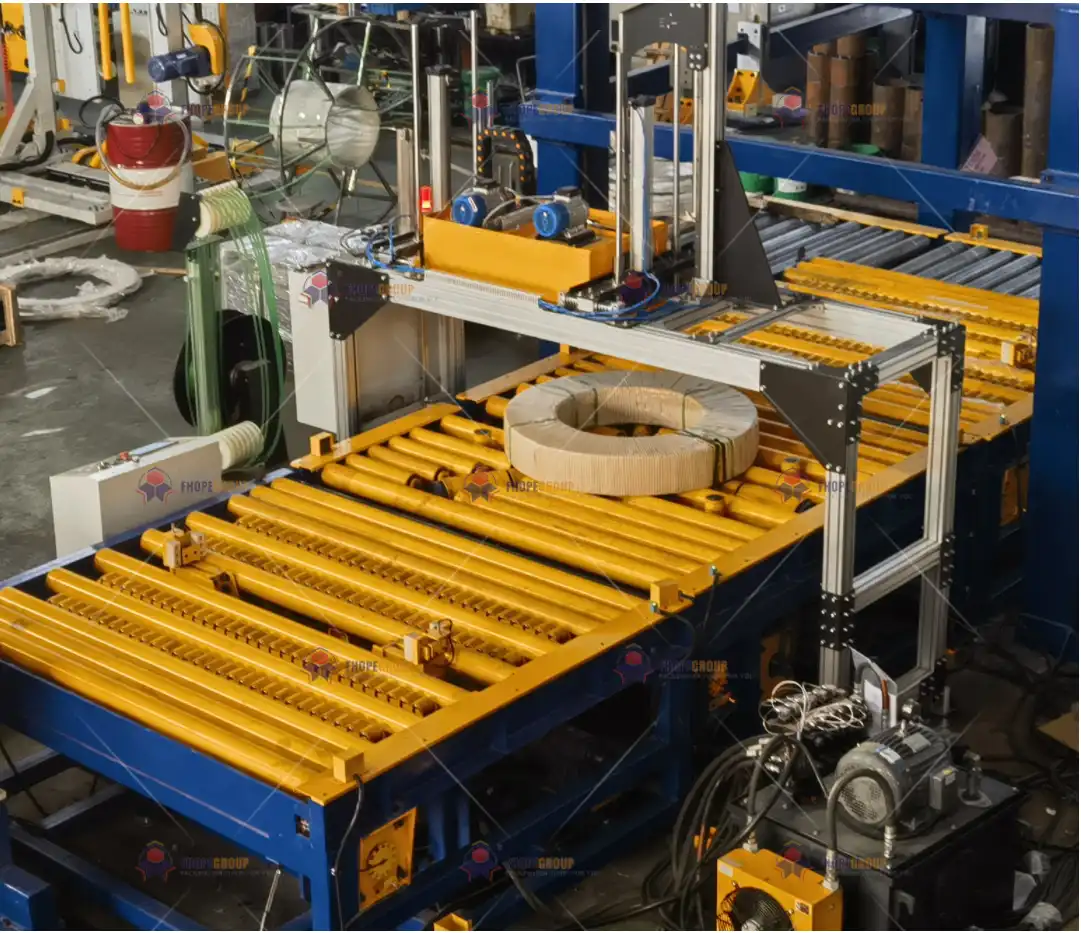
Understanding how these lines adapt is crucial. It helps you unlock higher efficiency and better quality in your steel plant. Let me show you how these advanced systems really work. This will help you make smarter decisions for your operations.
How do automated lines physically adjust for different coil diameters and widths?
Are you tired of packaging machines that only handle one coil size? This limits your production. It also forces you into slow, manual changeovers. This eats into your profits and increases downtime. Many operations face this exact problem. They invest in equipment that lacks the necessary flexibility. This quickly becomes a bottleneck.
Automated slit coil packaging lines physically adjust for varying coil diameters and widths using several key mechanisms. These include adjustable guide rollers, modular conveying systems, and automatic centering devices. These components work together. They ensure that coils of different sizes are correctly positioned and moved through the packaging process. This happens without manual intervention.
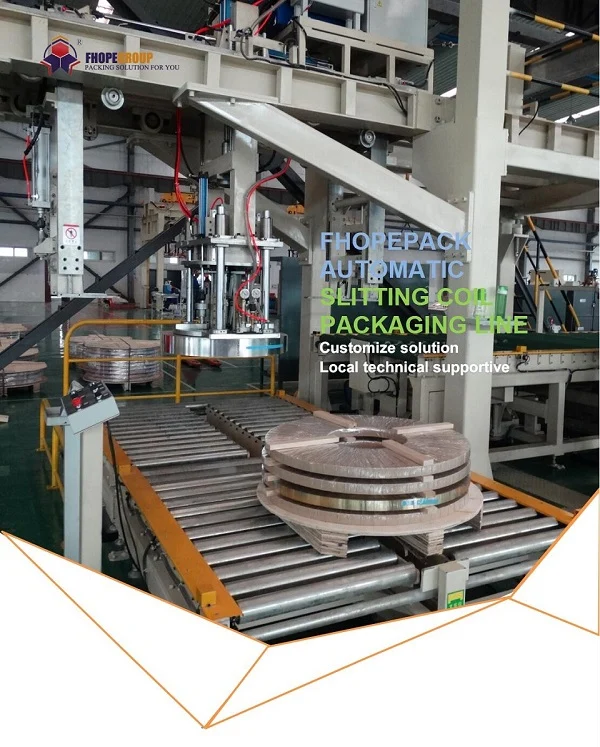
These physical adjustments are the backbone of a truly flexible packaging operation. They let you process diverse products smoothly. This flexibility is not just convenient. It is essential for modern manufacturing plants. It makes sure you can meet varied customer demands.
1. Flexible Conveying Systems for Varied Dimensions
Automated packaging lines use special conveying systems. These systems can handle many coil sizes. They often have motorized roller conveyors. These conveyors can adjust their width automatically. This lets them support coils with different outer diameters. For coils with different widths, adjustable side guides move in and out. This keeps the coil centered. This is important for precise strapping or wrapping. This design stops coils from shifting during transport. It makes sure they stay in place for the next step.
- Motorized Roller Conveyors: These systems offer variable speed. They handle coils from small to large.
- Automatic Side Guides: Sensors detect coil width. The guides adjust quickly. This keeps coils centered.
- Turntables and Upenders: Some lines have turntables. They change the coil’s orientation. Upenders can shift a coil from horizontal to vertical. This adds flexibility for packaging. They are crucial for lines handling both eye-to-sky and eye-to-bore packaging.
- Modular Segments: Our FHOPEPACK lines often use modular conveyor segments. You can add or remove these segments. This changes the line length. It fits different production layouts or future expansion needs. This modularity means fewer custom parts. It makes maintenance easier. (Variable coil sizes, Modular conveyor systems)
2. Smart Gripping and Positioning Mechanisms
Once a coil is on the line, precise positioning is vital. Smart gripping and positioning mechanisms ensure this. These systems use optical sensors or laser scanners. They measure the exact dimensions of each coil. This data feeds into the control system. The system then directs mechanical arms or clamps. These arms gently hold and position the coil. This prepares it for strapping or wrapping. For example, a coil strapping machine needs the coil to be perfectly still. This ensures the straps are applied correctly. Without this, the straps might be loose. Loose straps mean unsafe transit. Our FHOPEPACK solutions focus on this precision. They guarantee quality in every pack.
- Laser Sensors: They measure coil diameter and width. They feed data to the PLC.
- Centering Devices: Mechanical arms push coils to the center. This ensures even packaging.
- Coil Lifting and Rotating Devices: These devices lift the coil. They can also rotate it. This helps apply packaging material evenly around the circumference. They are integrated with the main conveyor. This ensures smooth transitions.
- Automatic Coil Identification: Some systems use RFID or barcode scanners. They read coil data. This automates the packaging recipe selection. This reduces manual errors and improves traceability. (Precision coil positioning, Automated measurement)
3. Adjustable Strapping and Wrapping Heads
The final packaging step also needs adaptability. Strapping and wrapping heads must adjust. Strapping machines use adjustable guides. These guides position the strapping tool. They fit different coil widths. Wrapping machines have tension control systems. These systems adjust film tension. This ensures tight wraps for various coil surfaces. The wrapping carriage can move up and down. This handles coils of different diameters. This ensures full coverage. Whether it is a narrow slit coil or a wide master coil, the machine adapts. This consistent application protects the product. It prevents damage during shipping. Our systems at FHOPEPACK are built for this wide range of adaptability.
- Adjustable Strapping Tools: These tools can move vertically and horizontally. This places straps accurately.
- Automatic Film Tension Control: Sensors monitor film tension. They adjust it in real time. This avoids overtightening or loosening.
- Wrapping Carriage Height Adjustment: The wrapping head moves up and down. This covers the entire coil surface. This handles various coil heights.
- Multi-Strap Configurations: Systems can apply different numbers of straps. They can also use different strapping patterns. This is based on coil weight and transport requirements. This flexibility helps secure diverse coil types. (Coil packaging flexibility, Automatic strapping adjustment)
What technologies ensure safe and efficient handling of varying coil weights?
Are heavy coils a constant safety risk in your plant? Manual handling of these massive loads often leads to accidents. It also causes worker injuries. This slows down production. It also increases operational costs. Many factories face these challenges. They struggle to move heavy materials safely and quickly.
Slit coil packaging lines use robust mechanical structures and advanced lifting technologies. These systems ensure the safe and efficient handling of varying coil weights. Heavy-duty roller conveyors, specialized upenders, and precision lifting devices are common. They are designed to manage coils weighing from one to three tons or more. Integrated sensors and safety interlocks prevent accidents during transport and packaging.

Handling diverse coil weights safely is not just about moving them. It is about total operational integrity. It protects your workers and your product. It ensures smooth, continuous production flow. This is a critical aspect of any modern steel processing plant.
1. Robust Conveying and Supporting Structures
For heavy coils, the foundation must be strong. Slit coil packaging lines use heavy-duty conveyors. These conveyors have strong rollers and frames. They can bear weights of up to 3 tons, or even more. The rollers are often made from hardened steel. They have reinforced bearings. This ensures long life even under constant heavy loads. The conveyor beds are built to absorb impact. They distribute the weight evenly. This prevents damage to both the coil and the equipment. We design FHOPEPACK lines with this strength in mind. This guarantees reliability in demanding environments.
- Reinforced Roller Design: Rollers feature thick walls and robust axles. They handle high point loads.
- Heavy-Duty Frame Construction: Welded steel frames provide maximum stability. They prevent flexing.
- Load Cell Integration: Some conveyors include load cells. They monitor coil weight in real-time. This prevents overloading and ensures balanced transport. This data can also feed into the control system for optimized packaging.
- Automatic Speed Adjustment: Conveyor speeds can adjust based on coil weight. Lighter coils move faster. Heavier coils move slower. This ensures stable transport and reduces sudden stops. (Heavy-duty coil handling, Robust material transport)
2. Advanced Lifting and Tilting Mechanisms
Moving heavy coils often involves lifting and tilting them. Packaging lines use specialized machines for this. Upenders, also called coil tilters, are a good example. They safely change a coil’s orientation from eye-to-sky to eye-to-bore, or vice versa. They use hydraulic or electromechanical systems. These systems are powerful. They can lift and rotate coils smoothly. These devices have safety clamps. They secure the coil during movement. This stops it from falling. This significantly reduces manual handling risks. Our FHOPEPACK equipment includes such powerful systems. They ensure smooth transitions for heavy coils.
- Hydraulic Upenders: These use hydraulic power. They provide smooth, controlled tilting.
- Electromechanical Coil Tilters: These use motors and gearboxes. They offer precise rotational control.
- Safety Interlocks: These systems prevent operation if safety conditions are not met. For example, if a coil is not properly secured, the tilter will not move. This protects workers and equipment.
- Integrated Weighing Systems: Some lifting devices include scales. They weigh the coil as it moves. This provides accurate weight data for shipping and inventory. This ensures compliance with transport regulations. (Safe coil tilting, Heavy coil lifting technology)
3. Integrated Safety Features and Automation
Safety is paramount when handling heavy coils. Automated packaging lines integrate many safety features. These include light curtains, emergency stop buttons, and safety fences. They protect workers from moving parts. Sensors detect if a coil is out of place. The system will stop if this happens. This prevents accidents. The control system monitors all operations. It ensures safe speeds and movements. This reduces human error. Automation takes over many dangerous tasks. This means fewer workers are near heavy machinery. This greatly improves workplace safety. At FHOPEPACK, we prioritize safety in every design.
- Proximity Sensors and Light Curtains: These detect human presence. They stop machines instantly to prevent injury.
- Emergency Stop Buttons: Easily accessible buttons allow immediate shutdown in emergencies.
- Automated Fault Detection: The system monitors for unusual vibrations or loads. It alerts operators to potential problems. This helps prevent breakdowns.
- Remote Monitoring and Diagnostics: Operators can oversee the line from a safe distance. This reduces the need for them to be near moving parts. Remote diagnostics help quickly identify issues. This minimizes downtime. (Automated safety systems, Heavy coil safety)
How do smart packaging systems manage diverse packaging material requirements?
Do your current packaging systems struggle with varying material demands? Switching between PET strapping, steel banding, or different wrapping films can be a nightmare. It often involves manual adjustments. This wastes time. It also leads to errors. Many plants find this lack of flexibility holds them back. They cannot meet all their customer needs efficiently.
Smart slit coil packaging systems manage diverse packaging material requirements through automatic tool changers, programmable logic controllers (PLCs), and multi-functional applicator heads. These systems allow for quick, automated switching between different strapping materials like PET and steel, and various wrapping films. This ensures optimal protection for each coil type based on specific customer or transport needs.

This adaptability in packaging material application is crucial. It lets you meet very specific client demands. It also ensures proper product protection during transit. This flexibility translates directly to better customer satisfaction and fewer damaged goods.
1. Multi-Functional Strapping and Wrapping Stations
Modern packaging lines are not limited to one material. They have multi-functional stations. These stations can apply both PET and steel strapping. They can also use different types of wrapping films. The strapping head can switch tools automatically. This changes from PET to steel. This happens based on the product recipe. Wrapping stations can store multiple film rolls. They automatically load the correct film. This could be stretch film for moisture protection or rust-proof VCI film. This means faster changeovers. It reduces human error. FHOPEPACK solutions give you this versatility. They help you meet various client specifications effortlessly.
- Automatic Tool Changers: Strapping machines can swap between PET and steel strapping heads. This happens without manual intervention.
- Multiple Film Dispensing Units: Wrapping machines often have multiple film carriages. They hold different types of films. The system selects the right one.
- Programmable Strapping Patterns: The system can apply different numbers of straps. It can also use various strapping patterns. This is based on coil weight and size.
- Adjustable Film Tension Systems: These systems fine-tune film tension. This ensures optimal protection for sensitive surfaces. This is critical for preventing scratches or dents. (Versatile coil strapping, Multi-material wrapping)
2. Precision Application for Protective Packaging
Applying packaging materials needs precision. This is especially true for protective packaging. For example, VCI film for rust prevention must be applied without gaps. The system controls film overlap and tension. This ensures a complete barrier against moisture. For delicate surfaces like color-coated coils, tension control is vital. It prevents scratches. Automatic label applicators place barcodes or shipping labels accurately. They do this after packaging. This speeds up logistics. It also improves traceability. Our FHOPEPACK machines are designed for this high level of precision. They deliver consistent, high-quality protective packaging every time.
- Controlled Film Overlap: Wrapping machines ensure consistent film overlap. This creates a strong moisture barrier.
- Non-Contact Sensing: Sensors detect coil surface properties. They adjust tension or application speed. This protects delicate finishes.
- Automatic Labeling Systems: These systems print and apply labels. They use data from the production system. This adds vital information to each coil.
- Integrated Testing Features: Some lines include quality check points. They might test strap tension or film integrity. This ensures the packaging meets strict standards. This is especially important for export products needing CE/ISO certification. (Protective coil packaging, Automated label application)
3. Data-Driven Material Selection and Traceability
Smart packaging systems use data. They select the right packaging materials automatically. The PLC receives data. This data comes from the coil’s production history. It includes product type, destination, and customer requirements. The system then chooses the best strapping material or film. This removes guesswork. It ensures compliance. It also logs all packaging details. This creates a full traceability record for each coil. This is important for quality control. It is also important for customer audits. This data integration simplifies operations. It guarantees the right packaging for the right product.
- Recipe Management System: Operators can select pre-set packaging recipes. These recipes specify materials, strap count, and wrapping layers.
- Integration with ERP/MES Systems: Packaging lines link with factory management systems. They get real-time order data. This automates material selection.
- Reporting and Analytics: The system generates reports on material usage and packaging quality. This helps optimize material consumption. It also improves process efficiency.
- Barcode/RFID Scanning: After packaging, the system can scan the applied labels. This verifies correct packaging and updates inventory records. This seamless data flow is essential for efficient supply chain management. (Smart material selection, Coil packaging traceability)
Can a single packing line handle multiple product types like cold rolled, galvanized, and color-coated coils?
Do you run a diversified steel plant? Are you managing separate packaging processes for each product type? This means wasted space. It means duplicate equipment. It also means higher labor costs. It reduces overall flexibility. Many manufacturers struggle with this inefficiency. They cannot streamline their operations.
Yes, a single advanced slit coil packing line can handle multiple product types like cold rolled, galvanized, and color-coated coils. These lines achieve this versatility through modular design, quick-change tooling, and a sophisticated control system. This system stores specific packaging recipes for each product type. It allows for automated adjustments in materials, tension, and application methods with minimal downtime.
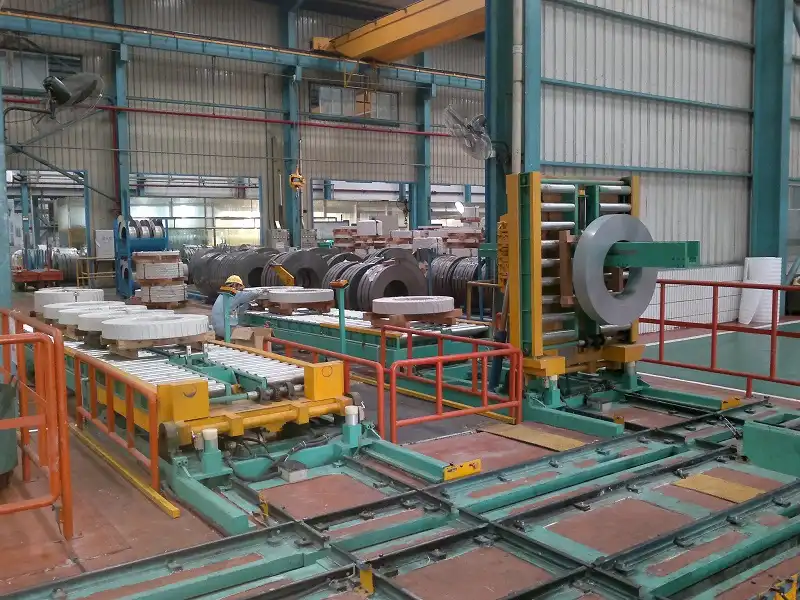
This capability is a game-changer for many steel plants. It combines efficiency with versatility. It streamlines your packaging operations. It also meets the diverse demands of your customer base.
1. Modular Design for Multi-Product Flexibility
Modular design is key to handling multiple product types. It allows different sections of the packaging line to be reconfigured or bypassed. For instance, a line might have separate wrapping stations. One uses standard stretch film. Another uses special protective film for delicate surfaces. The control system directs coils to the correct station. This happens automatically. Our FHOPEPACK designs often use this modular approach. This ensures maximum flexibility. It lets you add or change components later. This adapts to future product changes.
- Configurable Layouts: Lines can be set up in different ways. This optimizes flow for specific product mixes.
- Bypass Modules: Sections of the line can be bypassed. This is for coils that do not need certain packaging steps.
- Interchangeable Tools: Strapping heads or wrapping units can be swapped out quickly. This changes packaging capabilities.
- Scalable Architecture: The modular design means you can easily expand the line. You can add more stations or different types of equipment as your product range grows. This future-proofs your investment. (Flexible packaging line, Multi-product handling)
2. Pre-programmed Packaging Recipes for Each Coil Type
The brain of a multi-product line is its control system. This system stores many pre-programmed “packaging recipes.” Each recipe is for a specific coil type. For example, one recipe is for cold rolled coils. It might specify PET strapping and standard stretch wrap. Another recipe is for galvanized coils. It might require steel strapping and VCI film. For color-coated coils, it might use a specific tension for wrapping. The operator selects the coil type. The system then adjusts everything. It selects materials. It sets tension. It chooses the number of straps. This removes manual errors. It ensures consistent, high-quality packaging for every product. This is a core feature of FHOPEPACK systems.
- User-Friendly HMI: Operators use a touch screen. They select the product from a list. The system does the rest.
- Automated Parameter Adjustment: The PLC automatically adjusts conveyor speeds, strapping tension, and film overlap.
- Recipe Customization: Users can create and save new recipes. This adds flexibility for new products or special orders.
- Batch Processing Capability: The system can run a batch of one product type. Then it can quickly switch to another. This maximizes throughput for varied production schedules. (Automated packaging recipes, Product-specific packaging)
3. Integrated Quality Control for Diverse Needs
Packaging diverse products means diverse quality checks. The line must ensure each product meets its specific standards. For export coils needing CE/ISO certification, the system might add a barcode. It also records material use. It logs application data. For delicate color-coated coils, sensors check for surface damage after wrapping. This makes sure the packaging itself does not cause harm. If an issue is found, the system alerts operators. It might even stop. This ensures that every coil leaving the plant is packaged perfectly. It meets all required specifications.
- Vision Systems: Cameras inspect packaging quality. They look for wrinkles or loose straps.
- Integrated Weighing: The system re-weighs packaged coils. It confirms the total weight. This matches shipping documents.
- Data Logging: All packaging parameters are recorded. This creates an audit trail. It helps with quality disputes.
- Certification Compliance Features: The system can generate reports. These reports show compliance with specific industry standards like CE or ISO. This helps meet strict international export requirements. (Packaging quality control, Certified coil packaging)
What is the role of intelligent control systems in optimizing flexibility and efficiency?
Are your packaging operations held back by manual adjustments and slow changeovers? In today’s fast-paced world, inefficiency is costly. It limits your production capacity. It also increases operational expenses. Many plants struggle to keep up with diverse demands. They lack the intelligent automation needed for smooth, flexible operations.
Intelligent control systems are the brain of modern slit coil packaging lines. They optimize flexibility and efficiency through Programmable Logic Controllers (PLCs) and Human-Machine Interfaces (HMIs). These systems manage automated adjustments for coil size and weight. They store packaging recipes. They also integrate with factory-wide systems. This ensures seamless operation, minimal human intervention, and maximum throughput for varied production needs.
These intelligent systems do more than just automate tasks. They optimize the entire packaging process. They make it adaptive, efficient, and reliable. This is critical for any steel plant aiming for peak performance.
1. Centralized Control and Automation
A centralized control system, typically based on a powerful PLC, manages the entire packaging line. It orchestrates all machine movements and functions. This includes conveyor speeds, strapping operations, and wrapping cycles. The PLC acts as the conductor. It ensures every component works in harmony. This smooth coordination minimizes bottlenecks. It also increases throughput. Operators use a user-friendly HMI (Human-Machine Interface). This screen lets them monitor the line. They can make adjustments if needed. This reduces the complexity of managing a sophisticated system. My journey building FHOPEPACK has shown me how vital a robust control system is. It makes all the difference.
- PLC Integration: A central PLC coordinates all modules. This ensures synchronized operation.
- Real-time Monitoring: The HMI displays live data. This includes production rates and machine status.
- Error Diagnostics: The system identifies and reports faults. This helps with quick troubleshooting.
- Remote Access Capabilities: Authorized personnel can monitor and sometimes even control the line remotely. This allows for quick support and adjustments, minimizing downtime. (Automated packaging control, Centralized system management)
2. Data Integration and Recipe Management
Intelligent control systems are masters of data. They connect with your factory’s ERP (Enterprise Resource Planning) or MES (Manufacturing Execution System). This connection allows for automatic data exchange. The packaging line receives real-time production orders. It gets coil specifications. It also gets customer requirements. Based on this data, the system automatically selects the correct packaging recipe. This recipe includes material types, strap count, and wrapping layers. This level of integration removes manual data entry. It eliminates errors. It speeds up the entire process. This ensures the right packaging for every coil. This is crucial for meeting demanding customer specifications and for detailed traceability.
- Seamless ERP/MES Integration: The system communicates directly with higher-level factory systems. This automates order processing.
- Dynamic Recipe Selection: Based on scanned coil data, the system instantly loads the correct packaging parameters.
- Historical Data Logging: All operational data is recorded. This includes packaging times and material usage. This helps with performance analysis and optimization.
- Predictive Maintenance: By analyzing operational data, the system can predict when components might need maintenance. This allows for proactive servicing. It prevents unexpected breakdowns. (Data-driven packaging, Integrated factory automation)
3. Optimization and Predictive Capabilities
Beyond basic control, intelligent systems offer optimization. They can adjust parameters in real-time. This adapts to small changes in coil dimensions. This keeps packaging quality high. They can also use collected data to predict maintenance needs. This prevents unexpected breakdowns. This proactive approach ensures continuous operation. It minimizes costly downtime. Some advanced systems even use AI algorithms. These algorithms learn from past operations. They further refine efficiency. They also improve quality. Investing in such a system is not just buying a machine. It is investing in a smarter, more productive future for your plant. This is the vision we champion at FHOPEPACK.
- Self-Correction Mechanisms: The system makes minor adjustments. This keeps operations running smoothly.
- Performance Analytics: Detailed reports help identify areas for improvement. This optimizes throughput.
- Remote Diagnostics and Support: Technicians can diagnose issues from afar. This speeds up repairs.
- Energy Optimization: Intelligent systems can adjust motor speeds and power consumption. This reduces energy waste. It contributes to lower operating costs. (Optimized packaging lines, Predictive maintenance)
Conclusion
Modern slit coil packaging lines are highly adaptable. They use smart design and advanced controls. This lets them handle diverse coil sizes, weights, and packaging needs. These systems boost efficiency. They improve safety. They ensure consistent quality. For a complete, customized coil packing line that meets your specific requirements, FHOPEPACK offers leading solutions for your operations.








