
How do different pallet inverter models compare in seafood cold chain operations?
The seafood cold chain is a tough environment. I have seen firsthand how much pressure logistics managers are under. You face constant demands to move products fast, keep them safe, and meet strict hygiene rules. Manual pallet changes are slow and risky. They can hurt your workers and damage your valuable goods. If you deal with thousands of pallets daily, like many of my clients, these problems get even bigger. You need reliable solutions.
Different pallet inverter models offer distinct advantages for seafood cold chain operations. Stationary models provide high throughput for fixed locations, ideal for large distribution centers. Mobile models offer flexibility, allowing changes anywhere in the warehouse. Side-press and freezer-compatible designs are crucial for handling delicate, frozen seafood while maintaining hygiene and temperature integrity. The best choice depends on your specific volume, space, and product handling needs.
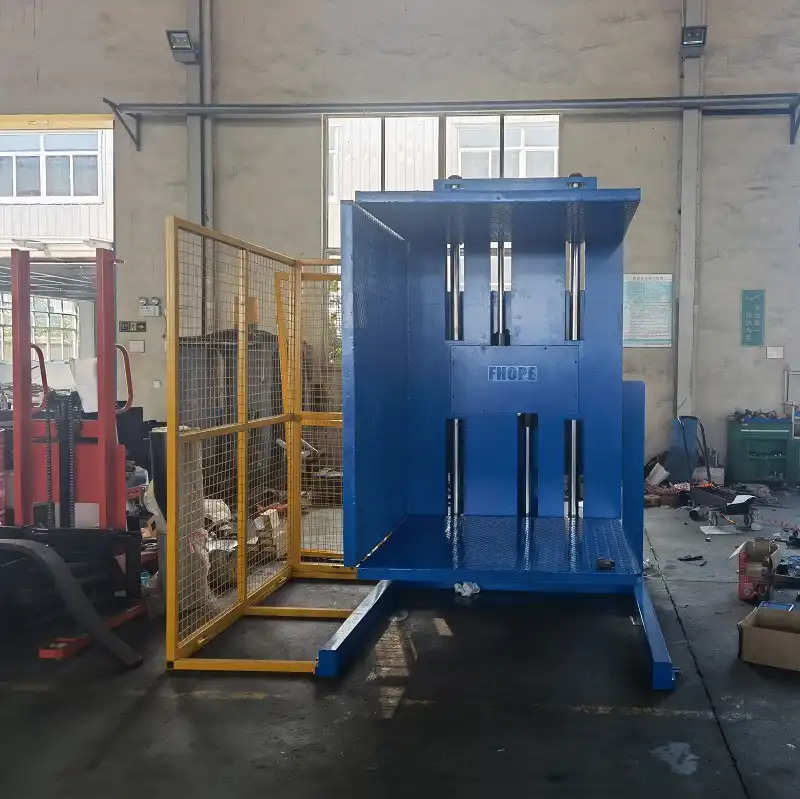
I have helped many businesses improve their packing processes. I understand the challenges you face every day. That is why I want to share my insights on pallet inverters. These machines are not just about lifting. They are about keeping your operations smooth, safe, and profitable. Let us look closer at how different models can fit into your cold chain.
Why is pallet changing critical in cold chain logistics, especially for seafood?
Handling seafood in a cold chain setting presents many unique problems. I have seen operations where fresh or frozen products need constant temperature control. Any delay or mistake can cause big losses. This situation creates a constant struggle for warehouse managers. They need speed, safety, and strict compliance.
Pallet changing is critical in cold chain logistics for seafood because it ensures product integrity, meets varied international shipping standards, improves hygiene, and reduces manual handling risks in temperature-controlled environments. It allows quick transfer of goods from unhygienic or damaged pallets to clean ones, adapts to different pallet types for export, and maintains cold chain continuity, all while minimizing labor and safety concerns.

When I started FHOPEPACK, I knew the packing process was more than just putting things in boxes. It was about solving real business problems. For seafood, these problems are very serious. You deal with delicate items that cannot stay out of cold storage for long. You also face strict rules for food safety and traceability. Let me explain why pallet changing is so important here.
1. Ensuring Product Integrity and Hygiene
- Temperature Stability: Seafood must stay cold. Manual pallet changes take too long. This exposes products to warmer temperatures. Pallet inverters do the job quickly. They keep products cold and safe.
- Damage Prevention: Seafood packages can be delicate. Manual handling often leads to crushed boxes or spills. Machines handle loads gently. This prevents damage and waste.
- Hygiene Standards: Wood pallets can hold bacteria or splinters. They are not always clean enough for food products. Often, you need to transfer goods to plastic or export-ready pallets. Inverters make this switch easy and hygienic. They keep human contact with the product minimal. This reduces contamination risks.
2. Meeting International Compliance and Efficiency
- Varied Pallet Specifications: I have seen many companies struggle with different pallet sizes. European customers use Euro pallets. American customers use US pallets. For export, goods must move from one type to another. Manual switching is slow and causes errors.
- Customs and Regulations: Every country has rules for pallet types. Pallet inverters ensure you meet these rules quickly. This avoids costly delays at borders. It prevents fines.
- Faster Throughput: Customers want their orders fast. Pallet inverters speed up the transfer process. This means faster dispatch. It helps meet tight delivery schedules. This is crucial for perishable goods like seafood.
3. Addressing Labor Challenges and Safety
- Reduced Labor Dependence: Finding workers for cold storage is hard. It is a tough job. Pallet inverters reduce the need for manual labor in this area. This helps when staff numbers are low. It cuts down on labor costs too.
- Enhanced Worker Safety: Flipping heavy pallets by hand is dangerous. Workers can get injured. Goods can fall. I have seen accidents happen. Automated systems remove this risk. They protect your workers. This also lowers insurance costs.
- Ergonomic Benefits: Manual handling causes strain. It leads to long-term health problems for workers. Inverters mean fewer repetitive, heavy tasks. This creates a better, safer workplace. It improves worker morale.
Pallet changing is not just a task. It is a strategic part of cold chain management. It ensures your products are safe, your operations are efficient, and your workers are protected.
What types of pallet inverters best handle frozen and delicate seafood products?
Choosing the right pallet inverter for frozen seafood means looking at specific features. Delicate products need gentle handling. Frozen products need machines that work well in cold. I have seen many different setups. Not every machine fits every need. You must think about the product, the environment, and the process.
For frozen and delicate seafood products, side-press pallet inverters are often the best choice because they secure loads without tipping, preventing damage. Machines designed for freezer environments use special cold-resistant components to ensure reliable operation at low temperatures. Inverters with gentle clamping mechanisms are essential to protect delicate packaging, while those with stainless steel construction enhance hygiene, crucial for food safety in the cold chain.
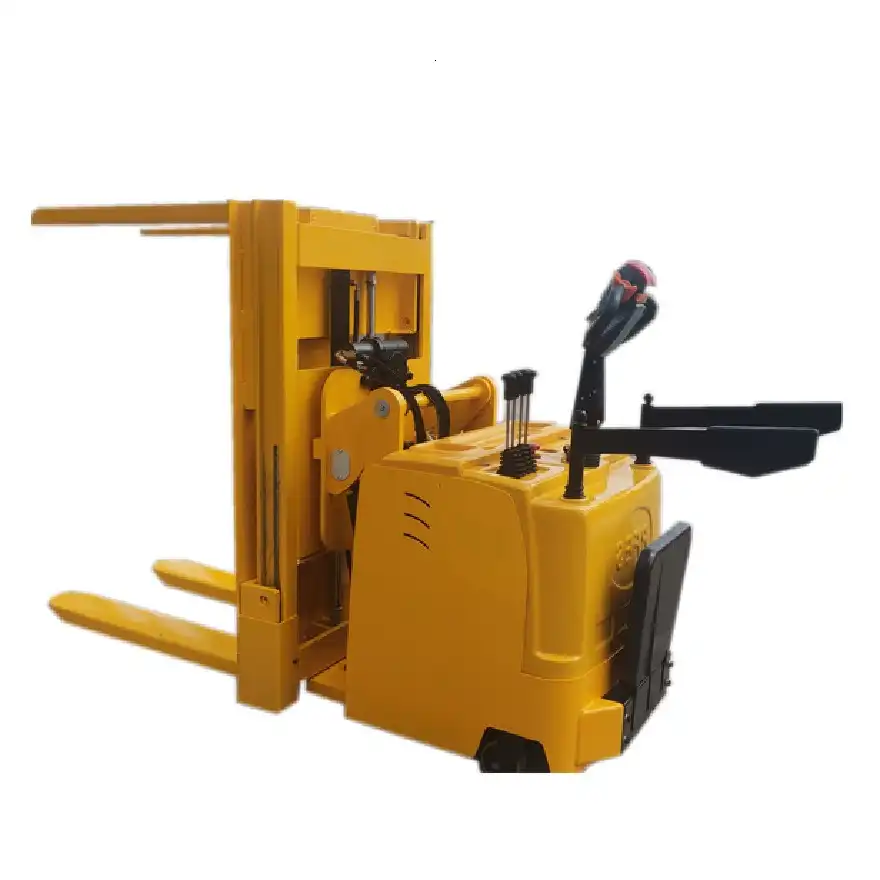
My journey in the packing machine industry taught me that one size does not fit all. This is especially true for specialized industries like seafood cold chain. When you deal with frozen fish or shellfish, the machine needs to be robust but also precise. Let us compare some models that truly stand out in this field.
1. Side-Press Pallet Inverters
- How They Work: These machines clamp the load from the sides. They do not tip the product. They rotate it instead. This keeps the product stable and secure throughout the transfer.
- Benefits for Seafood:
- Gentle Handling: Ideal for delicate items like frozen fish fillets or seafood blocks. It prevents shifting or crushing.
- Load Stability: No risk of goods falling during the flip. This is very important for stacked boxes of seafood.
- Hygiene: Many models come in stainless steel. This makes them easy to clean. It meets strict food safety standards.
- Best Use Cases: High-volume cold storage. Places where product integrity is the top priority. Good for fragile packaging.








