
How Pallet Inverters Help Engineers Isolate Goods from Unsuitable Pallets?
The silent threat of contamination often lurks in the fast-paced world of logistics. Imagine a bustling warehouse. Goods move constantly. But what if the very pallets carrying your valuable products become a hidden risk? This is not just about keeping things tidy. It is about preventing major issues. Contamination, cross-infestation, or damage from unsuitable pallets can cost a business heavily. It impacts safety, compliance, and even customer trust.
Pallet inverters provide a straightforward, mechanical solution for separating products from undesirable pallets, effectively isolating goods to prevent contamination, ensure hygiene, and meet strict compliance standards. They allow swift transfer of products from potentially dirty, damaged, or non-compliant external pallets to clean, standardized, and safe internal ones without manual handling, greatly enhancing operational safety and product integrity in demanding environments like food and beverage distribution.

My journey in the packing machine industry has shown me these challenges firsthand. I have seen how quickly small issues can escalate into significant problems. So, understanding how a pallet inverter tackles this core problem is key. Let us explore the real impact this technology has on warehouse operations and safety.
1. Why is isolating goods from unsuitable pallets so critical in modern logistics?
In today’s global supply chain, goods travel far. They pass through many hands and environments. The pallets they sit on might be exposed to anything. This creates a critical challenge for warehouse managers. How do you keep products safe and clean? Especially when incoming pallets carry unknown risks? Failing to isolate goods from unsuitable pallets can lead to serious consequences. It affects product integrity, regulatory compliance, and customer satisfaction.
Isolating goods from unsuitable pallets is critical because it directly prevents contamination, cross-infestation, and structural damage that can compromise product quality and safety. In industries like food and beverage, this separation ensures hygiene, meets strict health regulations, and maintains brand reputation by preventing contact with potentially unsanitary external pallets.
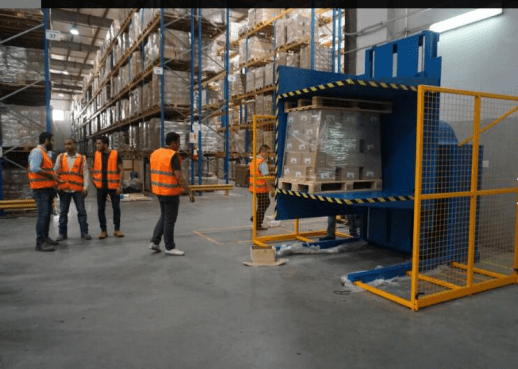
My experience has consistently shown that proactive isolation is not just a good idea. It is essential for survival and success in logistics. These issues are not theoretical. They are daily realities that can severely impact a business.
- 1. Hygiene and Food Safety: 🍎 For food and beverage companies, this is paramount. External pallets, especially wooden ones, can harbor pests, mold, or bacteria. They might have traveled through various unknown environments. Bringing these into a clean distribution center is a major risk. Isolating goods means transferring products to your own sterile, often plastic, pallets. This step protects the food items from contamination. It ensures they meet strict food safety standards. This process helps avoid product recalls and protects public health. I have seen companies struggle immensely when hygiene standards are compromised.
- 2. Preventing Cross-Contamination: 🦠 Not all “hazardous” pallets mean dangerous chemicals. Sometimes it means pallets from different industries. Or pallets that have been on the road for weeks. They might carry residues from other goods. Or they might have been exposed to dirt and grime. Separating these goods prevents unwanted mixing. It ensures that the integrity of your products remains intact. This is important for sensitive goods, like those in the food sector.
- 3. Pest and Infestation Control: 🐛 Wooden pallets are a known vector for pests. Insects and rodents can hide in the wood. They can enter your warehouse this way. Once inside, they can infest your products. They can also spread throughout your facility. Isolating goods by moving them to pest-free pallets is a proactive step. It stops infestations before they begin. This saves huge costs in pest control and potential product loss. A single infested pallet can cause a ripple effect of problems.
- 4. Compliance with Regulations: 📜 Many industries have strict rules for pallet use. This is especially true for international shipping. Some countries require plastic pallets. Others ban certain types of wood. Food safety regulations often demand specific hygiene levels. Pallet inverters help companies meet these rules. They allow quick changes to compliant pallets. This avoids fines and shipping delays. It keeps businesses operating smoothly across Europe and beyond.
- 5. Protecting Product Quality: 📦 A damaged or unstable pallet poses a risk. It can lead to product damage during transport or storage. Isolating goods from such pallets means transferring them to sturdy, reliable ones. This simple action protects the value of the goods. It reduces waste. It also lowers the cost of damaged returns. This protection is vital for maintaining customer satisfaction and brand reputation.
2. What specific risks do mixed pallets pose in a busy warehouse environment?
Busy warehouses are hubs of activity. Speed and efficiency are key. But this speed can sometimes mask hidden dangers. Mixing different types of pallets, or bringing in external pallets directly, creates silent risks. These risks are not always obvious. They can lead to contamination, safety hazards, and operational bottlenecks. Ignoring these dangers can result in damaged goods, worker injuries, and costly downtime. It truly impacts the bottom line.
Mixed pallets in a busy warehouse environment introduce specific risks including cross-contamination of products, propagation of pests, structural instability leading to goods damage or worker injury, and non-compliance with hygiene or safety regulations. These issues can disrupt operations, incur significant financial penalties, and erode customer trust, especially in sensitive sectors like food and beverage.
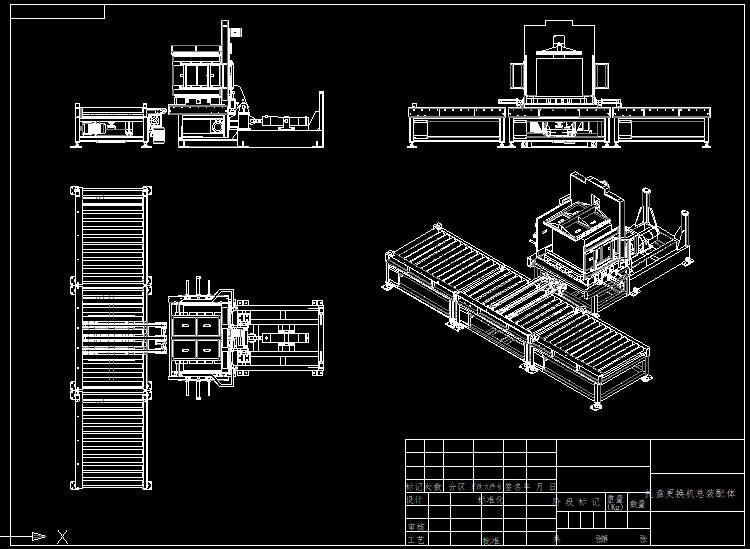
My team at FHOPEPACK has designed solutions after seeing these problems firsthand. These aren’t just minor inconveniences. They are significant threats to a business’s operational stability and financial health. I have personally witnessed companies struggle to recover from these kinds of setbacks.
- 1. Contamination and Spoilage: 🤢
- Chemical Residues: Incoming pallets from different industries might carry chemical residues. Even faint traces can contaminate food products. This is a severe problem for health and safety. It creates a direct risk to consumers.
- Biological Contaminants: External wooden pallets often host bacteria, mold spores, or fungi. These can transfer to goods. They can also spread through the warehouse air. This leads to spoilage and product recalls. This directly threatens product integrity.
- Allergen Transfer: In food processing, cross-contamination with allergens is a critical concern. A pallet previously used for nuts, for example, could transfer residues to products meant to be nut-free. This puts consumers at risk. It can have legal consequences.
- 2. Pest Infestation: 🐜
- Hidden Invaders: Wooden pallets provide ideal hiding spots for insects like beetles, ants, or even termites. They can also carry rodent eggs. These pests often go unnoticed until they have caused significant damage.
- Rapid Spread: Once introduced, these pests can quickly multiply. They spread throughout the entire facility. They infest stored goods. This causes widespread damage and costly extermination efforts. This impacts efficiency and cost.
- Quarantine Issues: Discovering pests can lead to product quarantines. It can also cause delays in shipping. This disrupts the entire supply chain. It creates unexpected costs and delivery problems.
- 3. Structural Integrity and Safety Hazards: 🚧
- Damaged Pallets: External pallets are often reused and can be damaged. They might have broken boards or protruding nails. These create unstable loads. This instability can lead to accidents.
- Worker Injury: Unstable pallets increase the risk of goods tipping over. This can injure workers. Broken pallet pieces can also cause trips and falls. My team has seen accidents happen from something as simple as a splintered piece of wood. This highlights the importance of safety protocols.
- Product Damage: Damaged pallets can directly lead to goods falling. Or they can cause crushing during stacking. This results in significant product loss. It also creates a safety hazard for those handling the goods.
- 4. Compliance and Reputation Damage: ⚖️
- Regulatory Fines: Failing to meet hygiene or safety standards leads to hefty fines. Regulatory bodies, especially in Europe, have strict rules. This applies to operations in Spain and beyond.
- Audits and Sanctions: Non-compliance can trigger intense audits. It can even result in operational sanctions. This is particularly true for food and pharmaceutical sectors. This can halt operations.
- Brand Erosion: Product recalls or public health scares due to contamination destroy consumer trust. They severely damage a company’s reputation. Rebuilding this trust is extremely difficult and costly. This is a long-term impact on the business.








