
Why a Coil Wrapping Machine Outperforms Manual Packing in Uruguay?
Are you a factory manager in Uruguay, or perhaps a similar fast-growing industrial hub, constantly battling production bottlenecks and safety hazards? Do you see your valuable steel coils or wire products getting damaged right before shipment, leading to costly rejections and a tarnished reputation? I understand these frustrations. I’ve been there, working my way up from the factory floor to building my own successful packing machine factory. I know the pressures you face to keep production moving, control costs, and ensure your team’s safety.
A coil wrapping machine significantly outperforms manual packing by boosting efficiency, enhancing workplace safety, and protecting product quality, addressing the critical challenges faced by manufacturers in regions like Uruguay. These machines offer consistent, fast, and secure packaging, directly countering the labor-intensive, slow, and often dangerous nature of traditional manual methods. They are a smart investment for any business looking to optimize its end-of-line processes.
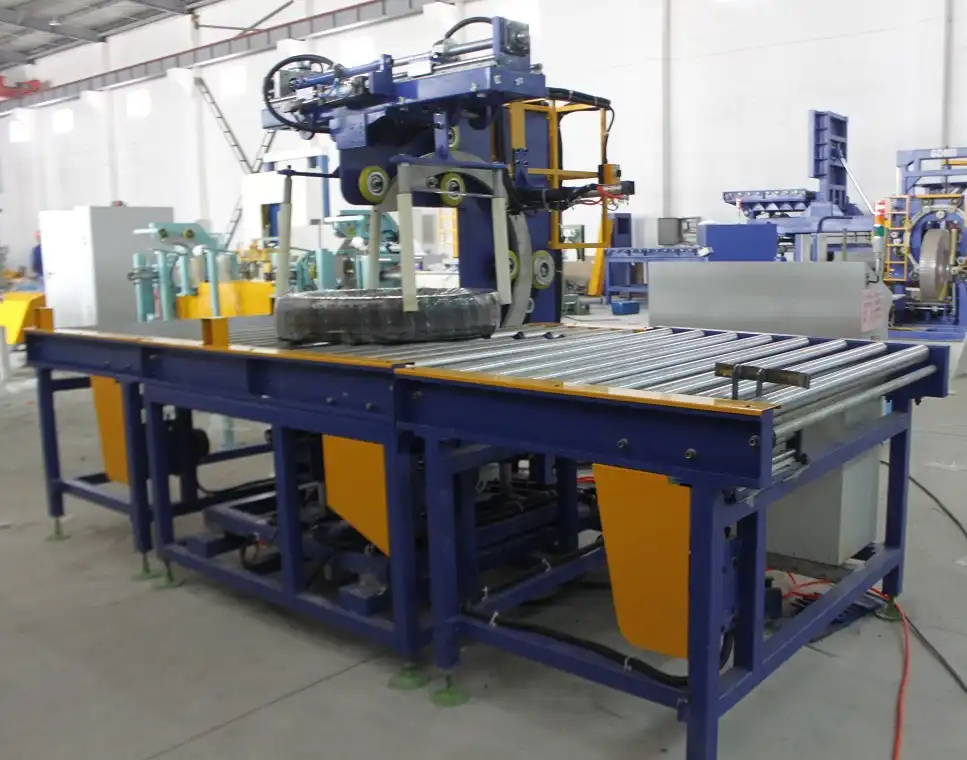
The shift from manual labor to automated solutions is not just about technology; it’s about transforming your operational landscape. If you are ready to explore how a coil wrapping machine can solve your most pressing packing challenges, continue reading. I will share my insights from years in the packing machine industry, showing you the tangible benefits these machines bring.
1. Is Your Manual Packing Process Slowing Down Your Entire Production Line?
Do you find that your production line hums along, only to grind to a halt at the final packing stage? This is a common problem I’ve seen in many factories, especially in regions with growing industrial output like Uruguay. Manual coil packing might seem like a cost-effective solution at first glance, but its hidden costs in terms of time and overall efficiency can be enormous. It creates a bottleneck, turning your smooth production flow into a stop-and-go struggle.
Manual coil packing is a significant bottleneck because it relies on human speed and endurance, which are inherently limited and inconsistent compared to the continuous, high-speed operation of a dedicated coil wrapping machine. This reliance on human effort directly impacts the throughput of your entire factory, leading to delayed shipments and unfulfilled orders, ultimately hindering your business’s growth potential.
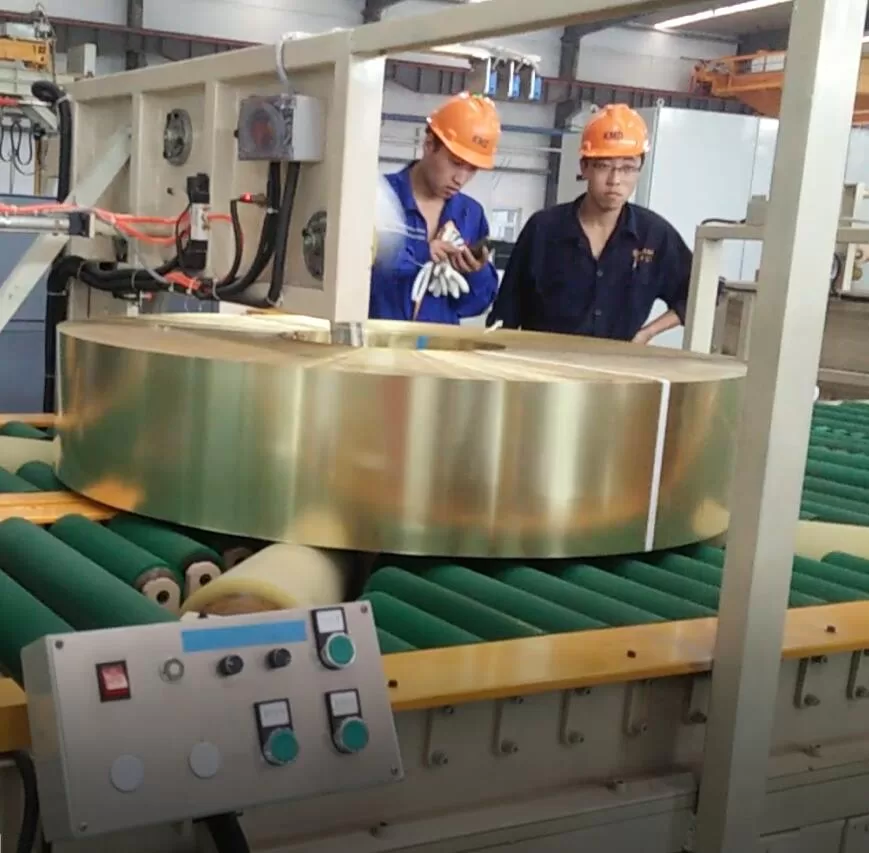
In my experience, watching workers manually wrap heavy coils, I always saw the same issues: fatigue, varying wrap quality, and slow speeds. This is not a criticism of the workers; it is a limitation of the method itself. A machine does not get tired. It maintains the same speed and quality from the first coil to the last. This consistency translates directly into higher output and more reliable delivery schedules.
Speed and Throughput: Automated vs. Manual Packing
Let’s look at a direct comparison between manual packing and an automated coil wrapping machine. The numbers speak for themselves.
-
Manual Packing:
- Time per coil: Depending on the size and weight of the coil, and the number of layers required, a skilled worker might take anywhere from 5 to 15 minutes to manually wrap a single coil. This includes moving the material, wrapping it around the coil, securing it, and potentially strapping it.
- Consistency: The quality of the wrap can vary from worker to worker, and even from shift to shift. Some wraps might be too loose, others too tight, leading to inconsistent protection.
- Labor requirement: Typically requires one or more workers dedicated solely to the packing task, often involving strenuous physical effort.
-
Automated Coil Wrapping Machine:
- Time per coil: A typical coil wrapping machine can complete a full wrap cycle in 1 to 3 minutes, depending on the machine model and specific wrapping requirements. Some high-speed models can be even faster. This is a significant time reduction.
- Consistency: The machine applies consistent tension and overlap with every wrap. This ensures uniform protection for all coils, reducing the risk of damage during transit or storage.
- Labor requirement: Often requires only one operator to monitor the machine and load/unload coils (which can also be automated with conveyor systems or cranes). This frees up manual labor for other, less repetitive, or more value-adding tasks.
Consider a factory in Uruguay producing, for example, 100 coils per day. If manual packing takes an average of 10 minutes per coil, that’s 1000 minutes, or over 16 hours of dedicated labor. A machine doing the same work in 2 minutes per coil reduces this to 200 minutes, or just over 3 hours. This massive time saving means coils are ready for shipment much faster. It also means you can reallocate your skilled workforce to areas where their expertise is truly needed, rather than on repetitive physical tasks. The reduction in bottleneck at the packing stage means the entire production line can operate more smoothly and efficiently, increasing overall factory output. I have seen this transformation in countless client factories. They go from struggling to meet deadlines to comfortably exceeding them, all because of this single, crucial upgrade.
2. How Can You Stop High Safety Risks in Heavy Coil Handling?
As a factory manager, nothing is more important than the safety of your team. Yet, the reality of manually handling heavy steel coils or wire products is fraught with danger. I have witnessed firsthand the risks involved: strain injuries from lifting, crushing hazards from falling coils, and cuts from sharp edges. These are not just statistics; they are real people getting hurt, leading to pain for them and their families, as well as significant costs for your business in terms of medical bills, insurance claims, and lost productivity. It’s a risk that manual packing makes unavoidable.
High safety risks in heavy coil handling can be dramatically reduced, if not eliminated, by implementing automated coil wrapping machines, which minimize direct human interaction with heavy loads. These machines take over the physically demanding and dangerous aspects of the packing process, protecting workers from strain injuries, crushing hazards, and repetitive motion injuries, thereby creating a safer working environment.
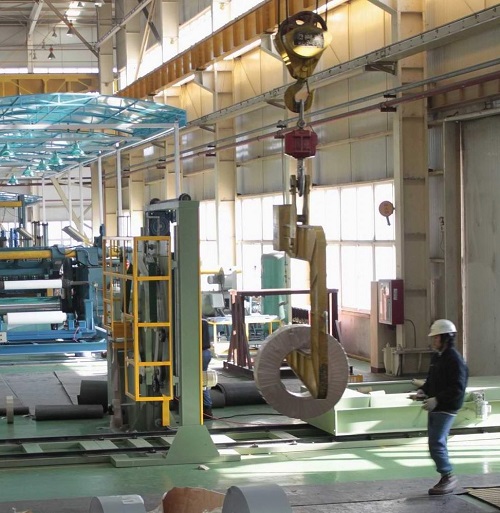
When I started my journey in this industry, I always focused on finding better ways to do things, not just for efficiency, but for safety. I learned that a safe workplace is also a productive one. When workers feel safe, they are more focused, more engaged, and ultimately, more productive. An automated system removes the worker from the immediate danger zone, letting the machine handle the brute force and precision, while the human oversees the process.
Eliminating Workplace Hazards Through Automation
Let’s break down the specific safety hazards of manual coil packing and how automation provides a solution.
-
Manual Lifting and Moving:
- Hazard: Workers often have to manually adjust or move heavy coils into position for wrapping. This leads to back injuries, sprains, and muscle strains. The sheer weight of steel coils makes them dangerous to handle without proper equipment.
- Automated Solution: Coil wrapping machines, especially those integrated with conveyor systems or cranes, automate the loading and unloading process. Workers no longer need to manually lift or precisely position heavy coils. The machine does the heavy lifting, keeping operators at a safe distance.
-
Repetitive Motions and Fatigue:
- Hazard: Manually wrapping coils involves highly repetitive motions, such as pulling and securing wrapping materials, often in awkward positions. Over long shifts, this leads to cumulative trauma disorders (CTDs) like carpal tunnel syndrome and tendinitis. Fatigue also increases the risk of mistakes and accidents.
- Automated Solution: The machine performs the repetitive wrapping actions. Human operators oversee the process, reducing their physical strain and exposure to repetitive tasks. This significantly lowers the risk of CTDs and keeps workers more alert.
-
Risk of Falling Coils or Materials:
- Hazard: During manual handling, there is always a risk that a heavy coil could shift, tip, or roll, potentially crushing a worker. Additionally, sharp edges of steel coils or packaging materials can cause cuts and lacerations.
- Automated Solution: Coils are securely held in place by the machine’s mechanism during the wrapping process. The automated system ensures stability and control, dramatically reducing the risk of a coil falling or shifting unexpectedly. Workers are also less exposed to the sharp edges of the coils or the wrapping materials.
By shifting these dangerous tasks to a machine, factories in Uruguay and elsewhere can see a significant drop in workplace injuries. This not only protects your employees but also reduces your insurance premiums, lowers worker’s compensation claims, and decreases employee turnover. From my years of building factories, I know that investing in safety is never just an expense; it is a direct investment in the long-term health and stability of your workforce and your business.
3. Are You Losing Money Due to Damaged Coils and High Labor Costs?
Imagine a coil, perfectly produced, only to suffer damage during the final packing stage. This is a painful reality for many factories, especially those in competitive markets. Damaged coil edges, scuffs, or incomplete wrapping lead to customer complaints, returns, and significant financial losses. On top of that, the ongoing cost of manual labor, including wages, benefits, and the hidden costs of inefficiency and potential injuries, can quickly eat into your profit margins. For a factory manager like yourself, this is a double blow: loss of product value and increasing operational costs.
You are losing money due to damaged coils and high labor costs because manual packing offers inconsistent protection and demands significant, ongoing human resources, both of which erode profitability. Automated coil wrapping machines provide consistent, high-quality protection, drastically reduce material waste from damage, and lower long-term labor expenses, leading to improved profitability and customer satisfaction.

When I built my packing machine factory, I was always driven by the idea of creating solutions that not only worked but also delivered clear financial benefits. I saw firsthand how even small improvements in packing quality and efficiency could add up to substantial savings for my clients. It is not just about wrapping a coil; it is about protecting your investment and your reputation.
ROI: Reducing Damage and Labor Costs with Automation
Let’s look at the financial impact of switching from manual to automated coil wrapping. The Return on Investment (ROI) is often much clearer than many initially think.
-
Product Damage Reduction:
- Manual Packing:
- Problem: Inconsistent wrapping tension, uneven overlaps, and manual handling increase the risk of product damage. Coil edges are particularly vulnerable to dents, scratches, or moisture exposure if not wrapped properly.
- Cost Impact: This leads to scrap, rework, customer returns, and potential loss of future orders. Each damaged coil represents not just the cost of the raw material but also all the processing costs incurred up to that point. For a medium-sized factory, even a 2-3% damage rate can mean tens of thousands of dollars in losses annually.
- Automated Solution:
- Benefit: Coil wrapping machines apply consistent and even wrapping tension across the entire coil. They ensure a uniform overlap of the packing material, providing superior protection against physical damage and environmental factors like dust and moisture.
- Cost Savings: This drastically reduces product damage rates, sometimes to less than 0.5%. The savings from avoided scrap, rejections, and improved customer satisfaction can quickly offset the machine’s purchase price.
- Manual Packing:
-
Labor Cost Optimization:
- Manual Packing:
- Problem: Requires multiple dedicated workers, increasing wage expenses, benefits, and training costs. There are also indirect costs associated with absenteeism, turnover due to strenuous work, and lower productivity rates during shifts.
- Cost Impact: These are recurring costs that add up month after month, year after year. The total cost of manual labor often surpasses the initial investment in automation over a few years.
- Automated Solution:
- Benefit: A coil wrapping machine often requires only one operator to supervise, freeing up other workers for more skilled or value-adding tasks elsewhere in the factory.
- Cost Savings: Significant reduction in direct labor costs for packing. While there is an initial investment in the machine, the long-term operational savings often lead to a rapid ROI. Many of my clients have seen payback periods of 1-3 years just from labor savings and reduced damage. This frees up capital for other investments or simply boosts the bottom line of your factory.
- Manual Packing:








