

How Can Mexican Steel Factories Achieve Peak Efficiency and Safety with Advanced Packing Machines?
The hum of machinery, the scent of metal, and the constant drive for productivity – these are the hallmarks of any thriving manufacturing plant, especially here in Mexico. As someone who started on the factory floor and eventually built my own successful packing machine factory, I understand the immense pressure you face daily. You’re constantly balancing output goals with cost controls, all while ensuring worker safety. It’s a tightrope walk that demands not just dedication, but also the right tools and strategies. For many Mexican metal processing plants, the packing line often becomes an unexpected bottleneck, slowing down an otherwise efficient operation and putting workers at risk.
Automated packing machines are the game-changer for Mexican steel factories aiming for peak efficiency and safety. By integrating advanced systems, plants can drastically reduce manual labor, minimize the risk of industrial accidents, and accelerate throughput, ultimately leading to significant cost savings and improved product integrity for their valuable steel coils and wires.
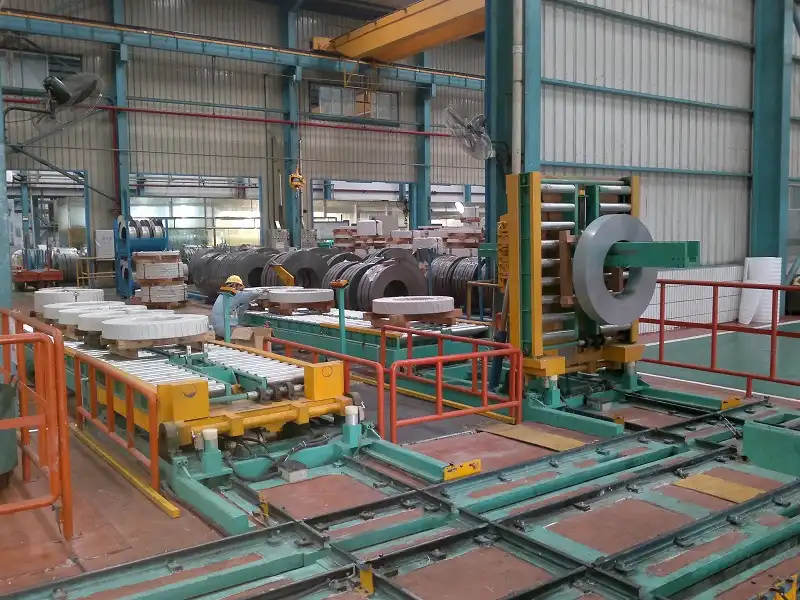

This isn’t just about buying new equipment; it’s about smart investment and strategic partnership. If you’re looking to transform your factory’s operations, boost your bottom line, and create a safer environment for your team, then understanding the power of modern packing solutions is your next critical step. Let’s dive deeper into how we can tackle these challenges together.
1. How Do Automated Packing Machines Boost Production Throughput in Metal Processing Plants?
Do you ever feel like your production line moves at a fantastic pace, only to hit a wall at the very end – the packing stage? This is a common pain point for many factory managers in the metal industry, especially those dealing with heavy and bulky products like steel coils and wires. The reliance on manual processes for wrapping, strapping, and handling these items not only slows things down but also introduces inconsistencies.
Automated packing machines significantly boost production throughput by eliminating the slow, labor-intensive manual steps, ensuring consistent packaging quality, and enabling a continuous flow of finished products from the production line to dispatch. This streamlines operations, reduces bottlenecks, and optimizes overall manufacturing efficiency.


When I first started in this industry, I saw firsthand how much time was wasted in the packing area. Workers struggled with cumbersome materials, and each coil required multiple manual interventions. This bottleneck didn’t just affect packing; it had a ripple effect across the entire factory, causing delays and increasing lead times. Modern automation changes all of that. It takes the heavy lifting and repetitive tasks away from human hands, allowing machines to work tirelessly and precisely. This means your valuable steel products move through the packing process faster, more consistently, and without interruption, directly improving your factory’s output capacity. This is especially vital for Mexican companies that need to meet demanding production schedules and maintain a competitive edge in global markets. Implementing advanced packing equipment leads to a more predictable and higher volume output, supporting the growth and expansion of metal processing facilities across the region. (Automated industrial packing, production line optimization, manufacturing efficiency Mexico)
The Direct Impact of Automation on Throughput
Automation isn’t just about speed; it’s about smart speed. Here’s how it directly impacts your factory’s ability to produce more:
- Consistent Speed and Performance: Machines don’t get tired. They operate at a consistent, optimized speed day in and day out. This eliminates the variability of manual labor and ensures a steady output rate.
- ⏰ Faster Cycle Times: Automated coil wrapping and strapping can happen in minutes, not hours, for each unit.
- ⚙️ Reduced Downtime: Modern machines are built for durability and often have self-diagnostic features, minimizing unexpected stoppages.
- Reduced Labor Dependency: Shifting from manual to automated packing frees up your workforce for more complex or value-added tasks. This is not about cutting jobs, but reallocating talent.
- 👨🏭 Optimized Workforce: Fewer workers are needed for repetitive packing, allowing them to focus on quality control or machine operation.
- 💲 Lower Labor Costs: Over time, the investment in automation often outweighs the continuous costs of manual labor for repetitive tasks.
- Seamless Integration: Modern packing machines are designed to integrate with existing production lines. This means a smoother transition from fabrication to packaging without breaks in the workflow.
- 🔗 Automated Material Flow: Conveyor systems and robotic handlers ensure continuous movement of steel coils or wires.
- 📊 Real-time Monitoring: Many systems offer data on packing speed, material usage, and potential issues, allowing for proactive adjustments.
- Enhanced Throughput Capacity: Ultimately, these benefits combine to increase the sheer volume of products your factory can process and ship.
- 📈 Increased Output: A significant jump in the number of packaged units per hour or day.
- 🌍 Meeting Global Demand: Enables Mexican factories to handle larger orders and expand their market reach, boosting competitiveness.












