
Purchasing a mold flipper is a significant investment. Careful consideration of key factors ensures you choose the right equipment, optimizing efficiency and safety in your mold handling processes.
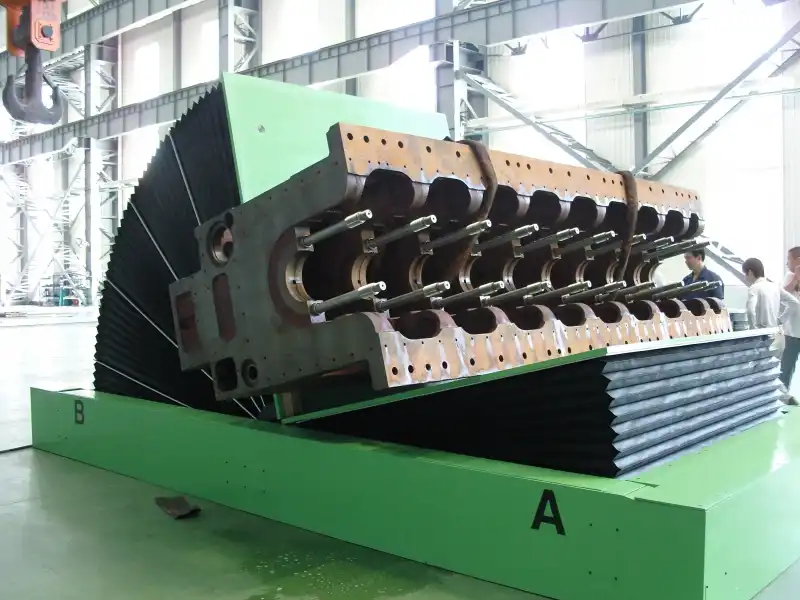
What factors should you consider when buying a mold flipper? Assessing load capacity, tilting capabilities, control systems, safety features, and customization options ensures you select a flipper that perfectly fits your operational needs and maximizes your return on investment.
Choosing the right mold flipper [(https://www.fhopepack.com/mold-flipper/)]is a crucial decision with long-term implications. Understanding these key factors will help you make an informed choice, ensuring your investment enhances productivity and safety. Keep reading to learn more!
1. Understanding Long-Term Maintenance Implications During Purchase
Evaluating a mold flipper goes beyond its immediate functionality. Considering long-term maintenance implications inherent in its design ensures reliable and cost-effective operation throughout its lifespan.
What maintenance aspects should you consider before buying a mold flipper? Scrutinizing build quality, component accessibility, spare parts availability, maintenance documentation clarity, and manufacturer support ensures reliability and ease of upkeep for years, safeguarding your investment.
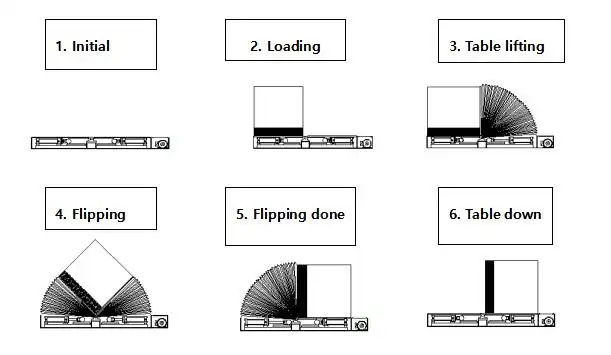
Deconstructing Maintenance Costs: Beyond the Sticker Price
The initial purchase price is just one component of the total cost of ownership. Maintenance expenditures, often underestimated, can significantly inflate this over the machine’s lifecycle.
Preventative vs. Corrective Maintenance
A well-designed mold flipper facilitates proactive preventative maintenance (PM). Features like easily accessible lubrication points, transparent inspection windows for key components, and simple adjustment mechanisms encourage regular upkeep. This minimizes unexpected breakdowns and the higher costs associated with corrective maintenance. Machines with poorly accessible components or those requiring specialized tools for basic checks often see PM schedules neglected, leading to premature wear and tear. Industry data suggests that a robust PM program can reduce overall maintenance costs by 12% to 18% and cut unscheduled downtime by 35% to 45%.
Component Lifespan and Quality
The quality of individual components directly correlates with their lifespan and, consequently, maintenance frequency. Opting for a flipper built with components from reputable manufacturers, even if it means a slightly higher initial cost, often translates to longer service intervals and fewer replacements. Research papers on industrial equipment reliability consistently highlight material selection and component engineering as primary drivers of mean time between failures (MTBF).
Labor Costs for Maintenance
The ease with which maintenance tasks can be performed directly impacts labor costs. A mold flipper designed with maintenance in mind will feature quick-access panels, modular components that can be easily swapped out, and clear labeling. If routine tasks require extensive disassembly or specialized skills, labor costs will escalate. Consider the average hourly rate of your maintenance technicians; even an extra hour spent per PM task due to poor design can add up significantly over a year.
Downtime Costs
Perhaps the most significant cost associated with poor maintainability is downtime. When a mold flipper is out of service, the entire production line it supports may halt. A machine that is quick to diagnose and repair, with readily available spares, minimizes this impact. Features like built-in diagnostics in the control system can drastically reduce troubleshooting time.
Here’s a hypothetical Total Cost of Ownership (TCO) comparison over 5 years:
| Feature | Mold Flipper A (Lower Initial Cost, Basic Design) | Mold Flipper B (Higher Initial Cost, Maintenance-Focused Design) | Mold Flipper C (Premium, Advanced Diagnostics & Support) |
|---|---|---|---|
| Initial Purchase Price | $30,000 | $40,000 | $55,000 |
| Estimated Annual PM Labor | $1,200 (10 hrs/month @ $10/hr) | $600 (5 hrs/month @ $10/hr) | $480 (4 hrs/month @ $10/hr) |
| Estimated Annual Spare Parts | $1,500 | $800 | $500 |
| Estimated Corrective Maint. Cost | $2,500 (2 major incidents/year) | $1,000 (1 minor incident/year) | $500 (rare minor incidents) |
| Estimated Annual Downtime Cost | $10,000 (40 hrs downtime) | $2,500 (10 hrs downtime) | $1,250 (5 hrs downtime) |
| Total Maintenance (5 Years) | $26,000 | $9,500 | $6,150 |
| Total TCO (5 Years) | $56,000 | $49,500 | $61,150 |
This comparison highlights how a mold flipper with a higher initial price but superior design for maintainability (Mold Flipper B) can result in a lower TCO. A thorough analysis, factoring in your specific operational parameters, is crucial.
2. Critical Maintenance Features to Scrutinize
Certain design features directly influence a mold flipper’s ease of maintenance and long-term reliability. Identifying these attributes before purchase can save considerable time, effort, and expense down the line.
What maintenance features are crucial when selecting a mold flipper? Look for accessible lubrication systems, clear diagnostic indicators, standardized wear parts, and ample physical access to components. Robust wiring and hosing also reduce failure points.
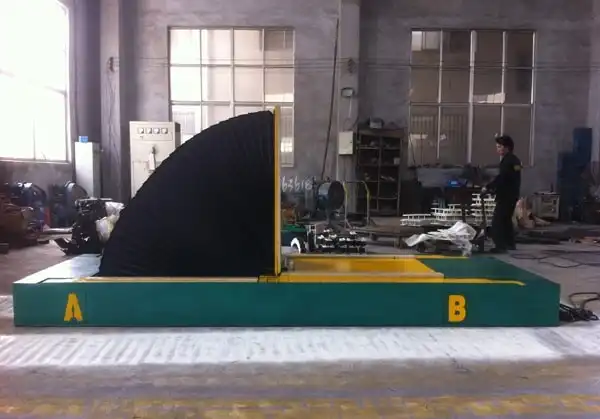
Deep Dive: Component Selection and Its Maintenance Impact
The choice of specific components within a mold flipper, from its drive system to its smallest sensor, profoundly affects its maintenance profile. Understanding these nuances during selection is key to minimizing future upkeep challenges.
Drive System Maintenance (Hydraulic vs. Electric)
Mold flippers typically utilize either hydraulic or electric drive systems, each presenting distinct maintenance considerations.
- Hydraulic Systems: Known for high power density, capable of handling extremely heavy loads, and providing smooth, robust motion. However, regular checks for leaks are paramount, as hydraulic fluid spills can be a safety hazard and costly to clean. Fluid levels, filter conditions, and oil quality require periodic analysis and changes. Hoses can degrade over time and require replacement. Seals within cylinders and valves are also wear items.
- Electric Systems: Generally cleaner (no oil), quieter, and often more energy-efficient. Modern electric drives with servo motors or variable frequency drives (VFDs) offer precise control over speed and positioning. They typically have fewer components than hydraulic systems. Maintenance often revolves around electric motors, gearboxes, and control electronics. Complex electronic components, while reliable, can be costly to replace if they fail and may require specialized technicians for diagnosis.
Control System Upkeep
The sophistication of the control system (e.g., simple relay logic vs. Programmable Logic Controller – PLC with Human-Machine Interface – HMI) impacts maintenance. PLCs and HMIs offer greater flexibility and diagnostic capabilities. Ensure the manufacturer provides comprehensive documentation, including PLC ladder logic (if accessible) and HMI screen files.
Bearing and Wear Part Longevity
All moving parts eventually wear. The quality and type of bearings, bushings, wear pads, and chains/sprockets used are critical. Sealed-for-life bearings reduce lubrication needs but will eventually require replacement. Greasable bearings need regular lubrication, but if done correctly, can have a very long life.
3. Post-Purchase Maintenance: Planning for Longevity
Ensuring a mold flipper’s long-term operational health hinges on a well-structured post-purchase maintenance strategy. Proactive planning, starting from day one, is essential to maximize the machine’s lifespan.
How do you plan for long-term maintenance of a mold flipper? Develop a schedule for inspections, lubrication, and component checks. Train operators and maintenance staff. Keep records of maintenance, repairs, and parts replaced for trend analysis.
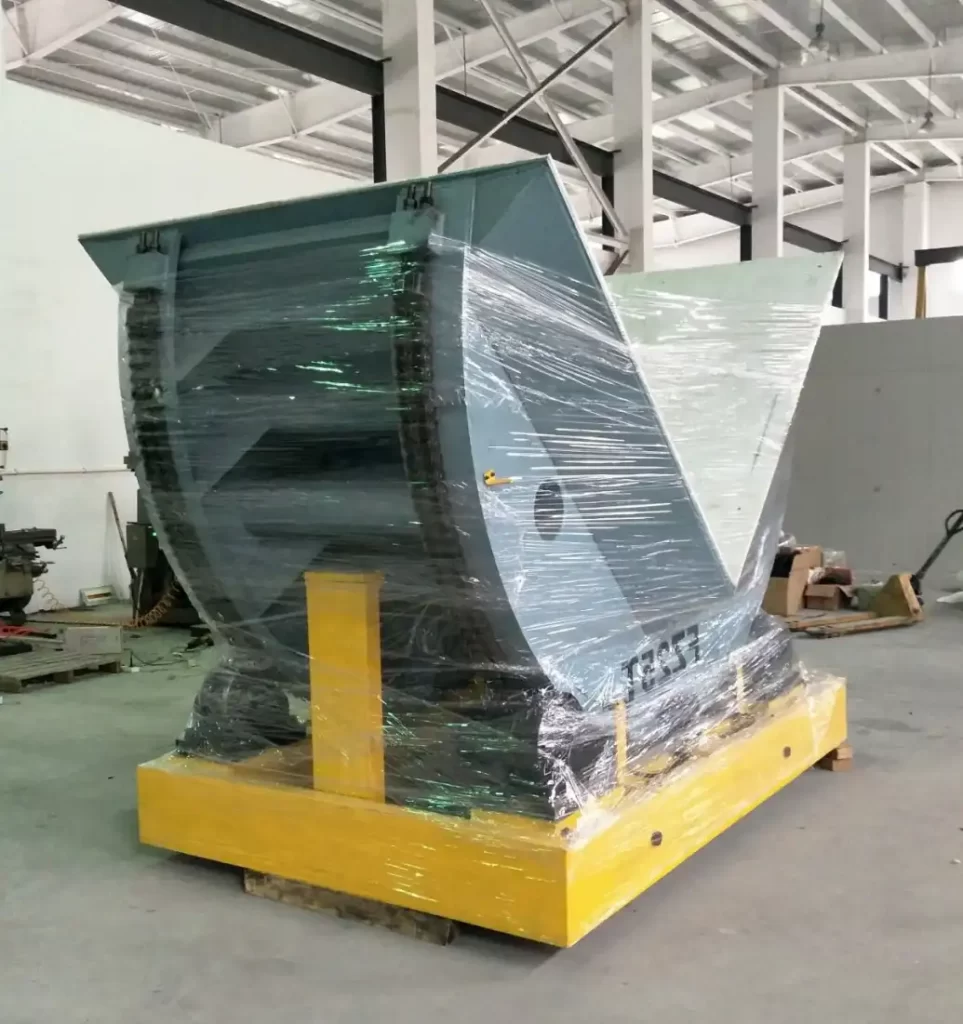
Establishing a Robust Maintenance Program
A robust maintenance program ensures your mold flipper operates reliably and efficiently throughout its intended service life. This program should be an integrated system encompassing regular inspections, scheduled upkeep, diligent record-keeping, and continuous improvement based on operational feedback.
Routine Inspections and Preventative Maintenance (PM) Schedule
The manufacturer’s manual is the primary resource for developing a PM schedule.
- Daily Checks (Operator-led): Visual inspection for any obvious damage, leaks (hydraulic systems), unusual noises, loose fasteners, and correct functioning of emergency stops and safety interlocks.
- Weekly Checks: More detailed inspection of critical wear parts (e.g., chains, belts, wear pads), lubrication points, hydraulic fluid levels, and sensor functionality. Check for debris accumulation.
- Monthly/Quarterly Checks: Thorough cleaning, lubrication of all specified points, inspection of electrical connections in control cabinets, tightening of bolts, checking hydraulic pressures and filter conditions.
- Annual Checks/Overhauls: Comprehensive inspection by trained technicians. This may include hydraulic oil analysis and replacement, detailed inspection of gearboxes, motor performance testing, calibration of sensors, and replacement of components nearing the end of their service life based on manufacturer guidelines or observed wear.
Lubrication Management
Proper lubrication is vital. The maintenance program must specify:
- Lubricant Type
- Frequency
- Quantity
- Points
Spare Parts Inventory Management
Identify critical spare parts based on manufacturer recommendations and your own risk assessment. Holding a small inventory of essential wear items or components with longer lead times can drastically reduce downtime.
Below is a sample mold flipper maintenance checklist snippet:
| Frequency | Task Category | Specific Check/Action | Responsibility | Sign-off | Notes/Issues Found |
|---|---|---|---|---|---|
| Daily | Safety | Verify E-stop buttons functional | Operator | ||
| Daily | Visual Inspection | Check for fluid leaks (hydraulic models) | Operator | ||
| Daily | Operation | Listen for unusual noises during operation | Operator | ||
| Weekly | Mechanical | Inspect drive chains/belts for tension | Maint. Tech | ||
| Weekly | Lubrication | Check grease levels at designated points | Maint. Tech | ||
| Monthly | Electrical | Inspect control panel for loose wires | Maint. Tech | ||
| Monthly | Hydraulic | Check hydraulic oil level and filter | Maint. Tech | ||
| Quarterly | Cleaning | Thoroughly clean machine, removing debris | Maint. Tech | ||
| Annually | Calibration | Verify sensor calibration | Specialist | ||
| Annually | Hydraulic | Sample hydraulic oil for analysis | Specialist |
4. The Role of Manufacturer Support and Warranty in Maintenance
The quality of the machine itself is paramount, but the manufacturer’s post-sales support and warranty terms are equally critical for long-term maintenance success and ensuring operational continuity.
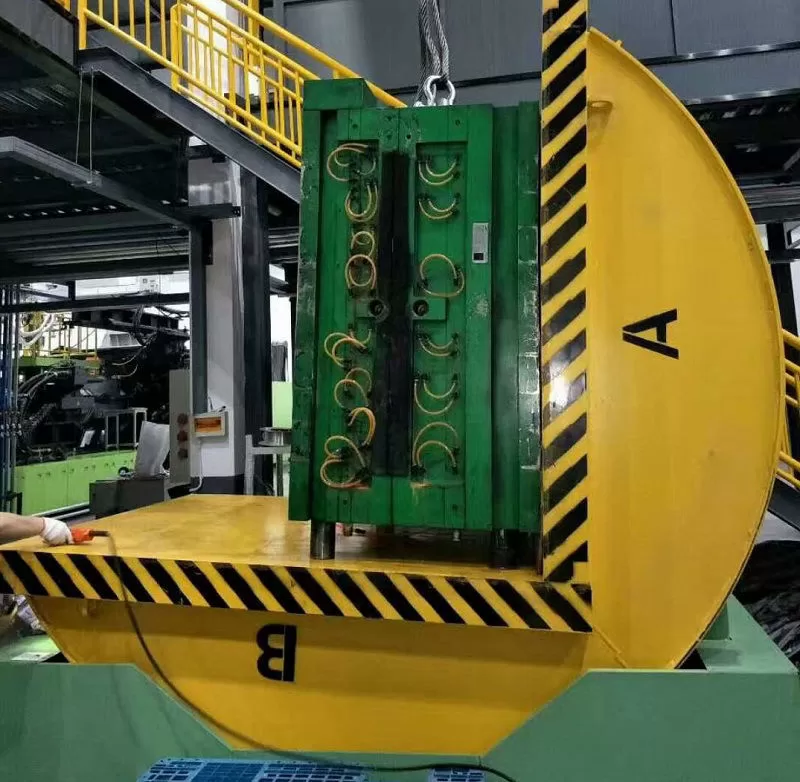
Robust manufacturer support, clear warranty terms, and readily available technical assistance reduce long-term maintenance burdens and costs. This is a vital consideration when buying a mold flipper, A strong partnership with the mold flipper manufacturer can be invaluable when maintenance issues arise.
Investigate the following aspects:
Warranty Coverage: How long is the warranty period (e.g., 1 year, 2 years)? What parts and labor are covered? Are there exclusions (e.g., normal wear parts, damage due to misuse)? Is travel time for technicians covered? Understanding these details prevents unexpected costs. For instance, a warranty might cover a failed PLC but not the labor to install and reprogram it unless explicitly stated.
Technical Support Availability: Can you reach technical support via phone, email, or online portals? Is there a dedicated support line? What are the guaranteed or typical response times for technical queries? Does the support team possess deep knowledge of the mechanical, electrical, and hydraulic/pneumatic aspects of their mold flippers?
Spare Parts Program: Does the manufacturer maintain an adequate stock of common and critical spare parts? What are the typical lead times for parts not in local stock? Is it easy to identify and order the correct spare parts using the machine’s serial number and parts diagrams?
A manufacturer that invests in strong post-sales support demonstrates a commitment to their product’s long-term performance and customer satisfaction. This support infrastructure acts as an extension of your own maintenance capabilities, providing expertise and resources that can be critical in minimizing downtime and controlling overall maintenance expenditure. When evaluating mold flipper suppliers, consider their support reputation and capabilities as a significant factor in your purchasing decision.
Conclusion
Prioritizing maintenance considerations is crucial for the machine’s longevity and operational efficiency, and will significantly reduce long-term costs. Investing wisely upfront translates directly to sustained productivity and a healthier bottom line for your manufacturing operations.








