不锈钢板、门板保护膜贴合机

执行摘要: A stainless sheet or door panel that ships without its protection film arrives scratched, and a scratched surface is a rejected sheet. This page is for buyers deciding whether a protection film lamination machine fits that finishing step. It explains what the footage shows the machine and its operators doing, what it does not, and the questions that turn a machine into a defensible purchase.

https://www.fhopepack.com/Shrinking_machine.html

在本页面: 本页内容可帮助您决定 · Why a sheet needs its film · How the line feeds a sheet · What the operator step tells you · 安全图片显示了什么 · 视频片段显示的内容 · 买家核实清单 · 常见问题解答 · 相关阅读 · 下一步

本页内容可帮助您决定

A protection film is a thin layer that carries the whole look of a metal product. Applied at the end of the line it keeps the surface perfect; applied badly it leaves bubbles, edges and wrinkles that customers reject on arrival.

This page is for the buyer evaluating a protection film lamination machine. It records what the demonstration shows about how sheets are fed and laminated, and it pins down the specifications the clip never gives, so the quotation can be judged against real numbers.

Why a sheet needs its film

Metal sheets and door panels look identical until the first scratch. A stainless surface that reaches a customer with a single arc-shaped mark is scrap in the eyes of the person receiving it, even if the metal itself is unharmed.

The film carries three jobs at once. It protects against scratches during handling and stacking, it keeps out dust and fingerprints on polished surfaces, and it survives until the buyer peels it off at installation. A machine that applies it evenly matters because an uneven layer fails all three jobs at once.

The film also changes the product’s feel of quality. A sheet that arrives film-on is a finished product; one that arrives bare is a result of careless finishing.

How the line feeds a sheet

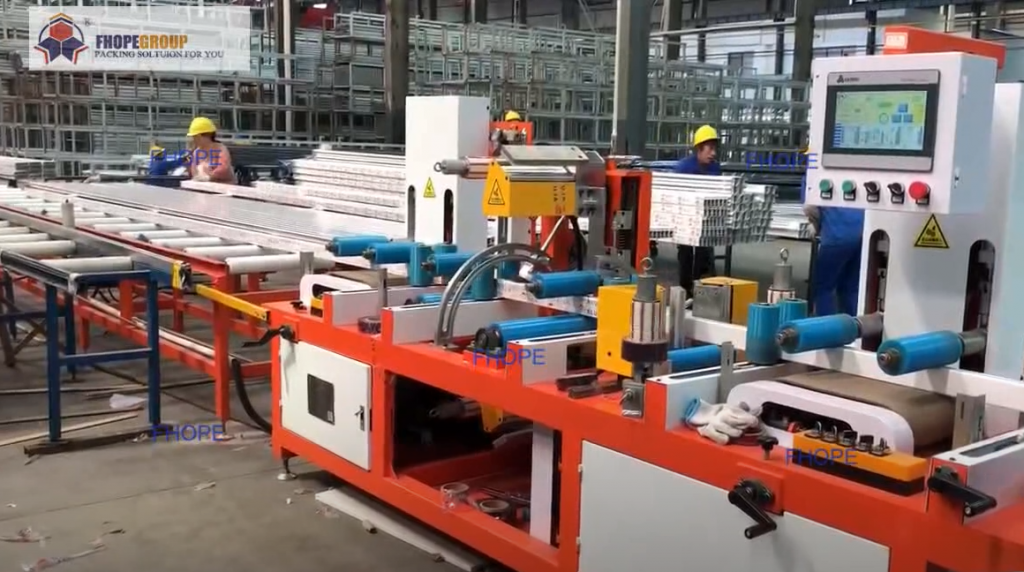
The footage shows a linear laminating line in a bright hall. The machine has a wide, blue flat work table, a dark frame and a large cylindrical film or roller element farther along the bed. On the right side sits a blue vertical cabinet with the controls, and two large red panels appear on the machine’s side in several frames.

Sheets arrive flat and are placed edge-on onto the blue surface, then fed through the bed toward the roller and cabinet end. A large reflective stainless sheet appears in one frame, and a blue-coloured sheet in another, so the line is set up for flat rectangular panels wider than the work surface.

Wide rolls of film sit around the area, consistent with a film-fed lamination process. The lamination itself happens as the sheet passes the roller, and no frame gives a measurable speed.

What the operator step tells you

Workers in red hard hats stand at both ends of the machine in the footage, placing and guiding the sheets by hand. That is an honest and important observation: at this stage of the clip the feed is manual, not conveyor-fed from an automatic line.

That means the labour story sits with the operators. A sheet that is placed by hand and guided through still gets the film applied automatically. The rhythm of the line is set by the two people at the machine rather than by an automatic infeed.

If your shop needs sheets loaded without people, that is a scope item to add, and the footage does not show such an arrangement. Confirm the feed and take-off design with the supplier.

机器的安全图像显示了什么

The safety picture in the footage is modest but present. Operators wear red hard hats, which is the strongest safety signal in the frames. A yellow triangular warning sign with a black exclamation mark appears on the blue cabinet and again in the background.

The two large red panels on the machine’s side are not identifiable in the footage, so neither a control function nor a safety device can be claimed from them. No emergency-stop button, fence or light curtain is clearly visible in the sampled frames.

For a line with manual sheet feeding, the risk sits at the feed gap between the operator and the rollers. Ask the supplier for the nip-guard arrangement and the emergency stop in writing rather than reading them from the clip.

机器生产线片段显示的内容

What the video shows is a linear lamination line for flat metal sheets and panels. Operators in red hard hats place wide reflective or blue-coloured sheets onto a blue flat bed.

The sheets feed through the machine toward a large cylindrical roller element. A blue vertical cabinet carries the controls with a yellow warning sign, and two large red panels sit on the machine’s side. Film rolls stand in the surrounding area.

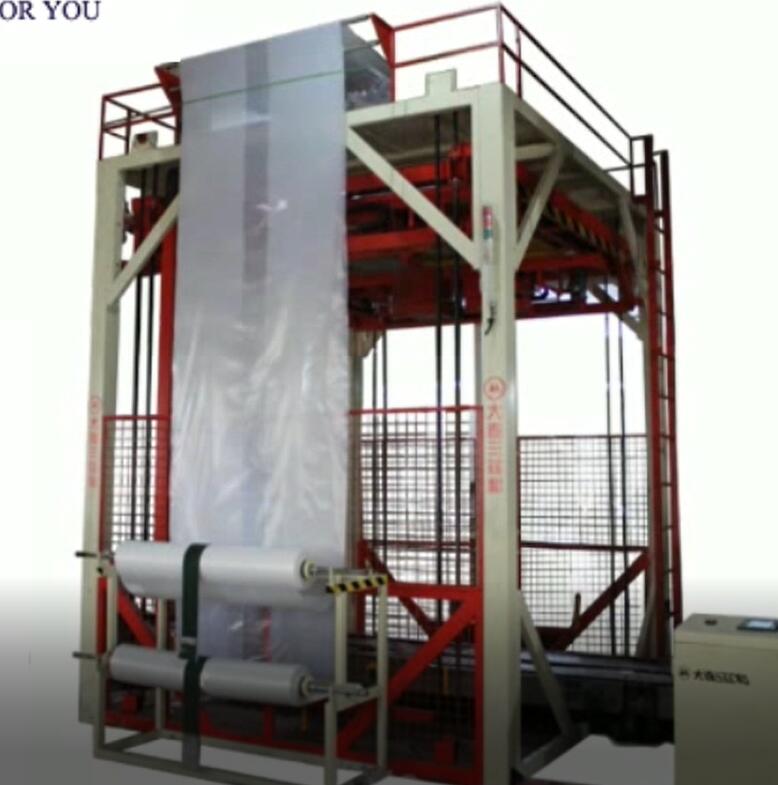
本页图片为产品图库参考图片,并非视频片段截图。以上内容为对采样帧的直接观察记录,并非性能测试结果。

The clip does not show the film grade or thickness, the lamination speed, the sheet size range, the adhesion method or temperature, a model or power rating, or any certification. No readable numbers or labels appear in the frames.

What the footage proves is one flow: sheets are placed by hand, fed through the bed, and pass the film roller. Everything that decides cost, from speed to film specification, is missing and has to come in writing from the supplier.

买家核实清单

Six questions decide whether the laminator fits your sheet sizes. Ask them in writing, and keep the answers with the quotation.

向供应商询问 它为何决定购买
Sheet width, length and thickness range No envelope number appears in the footage
Lamination speed in sheets per hour The clip shows no cycle or clocked speed
Film grade, width and thickness The film decides protection and cost, unseen in the clip
Adhesion method and temperature Determines peel behaviour on your surface finish
Feed and take-off arrangement The clip shows manual placing, so automation is a scope item
Safety devices at the feed gap A manual-feed line needs nip guarding in writing

将此内容发送给供应商,并原样复制:

  1. Your sheet sizes, thickness and material finish.
  2. Your shift target in sheets per hour.
  3. 您打算使用的胶片等级和宽度。
  4. Your peel-strength requirement after storage.
  5. Whether infeed and take-off must be automatic.
  6. The safety device list, including the feed gap.
  7. A reference installation laminating a panel like yours.

常见问题解答

Does the line load itself, or are operators needed?

The footage shows operators in red hard hats placing and guiding each sheet by hand. The film application is automatic, but the feed at this stage is manual. If your line must run unattended, confirm an automatic infeed with the supplier.

What sheet sizes can it take?

Not shown. The wide sheets in the clip set a visual scale, and no label states a range, so send the supplier your sheet width, length and thickness and ask which model covers them.

Does the film wrap the edges too, or just the face?

The footage shows the film on the flat faces as sheets pass the roller. The edge treatment is not visible in the sampled frames. Confirm edge coverage with the supplier.

下一步

Send the supplier your sheet sizes, finish type and shift target first, and ask for the film grade and one clocked run on a sheet like yours. The footage proves the manual-feed lamination flow; every specification has to come from them.

Then send the seven questions above, and ask for the feed-gap safety device list.

Then run one shift on your finishes and peel-test the film after overnight storage. Use the 联系方式页面 开始交流。

上次审核日期: 2026年09月28日

发布日期: 2026年09月28日