How Should Steel Coils Be Packed for Ocean Freight?
A package that passes inspection in your workshop can still fail inside a shipping container. This guide covers the three ocean freight risks for steel coils — moisture, mechanical damage, and lost identity — and how to engineer against them.
Vận chuyển đường biển và đóng gói xuất khẩu cho cuộn thép
Vận chuyển đường biển và đóng gói xuất khẩu cho cuộn thép
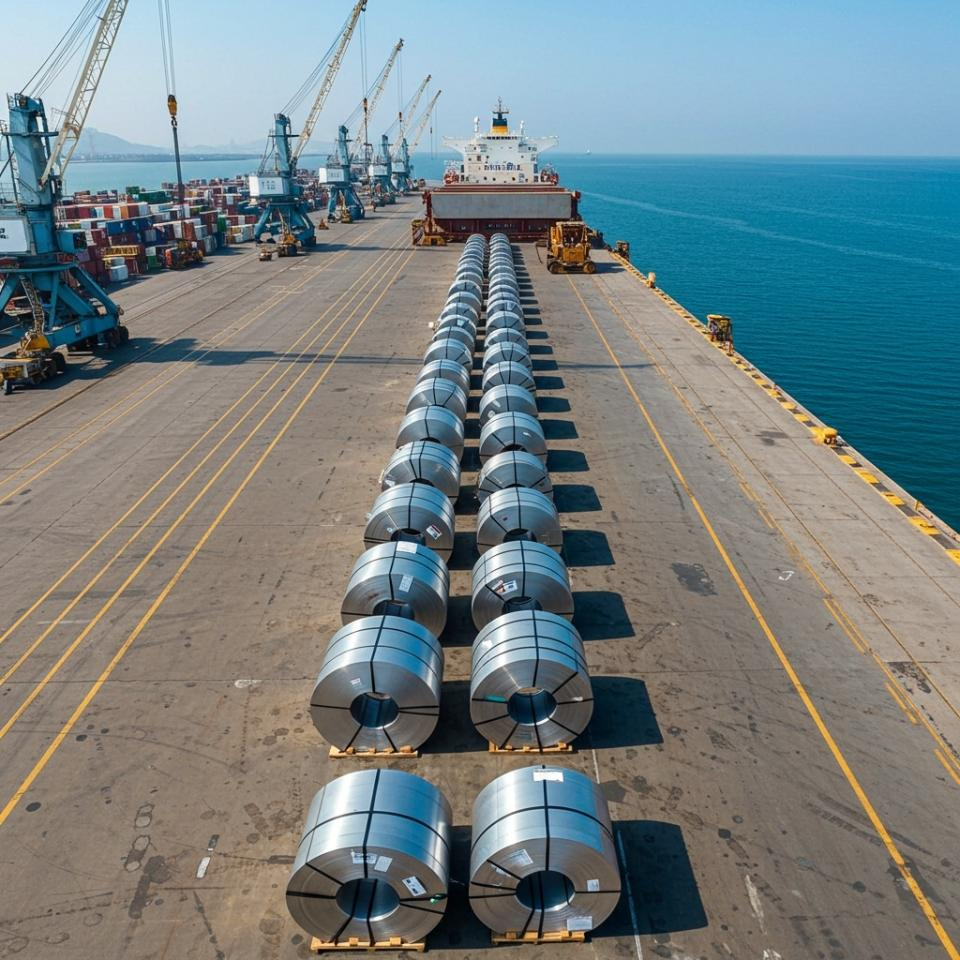
Ocean freight exposes a steel coil to humidity, condensation, salt, vibration, stacking, and long storage time. The packaging must be designed for that route, not for a clean warehouse. A package that looks protective on the factory floor can fail inside a container.
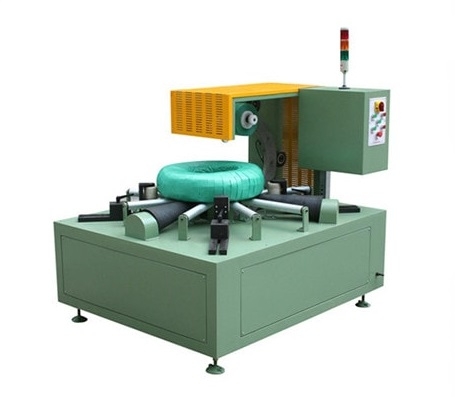
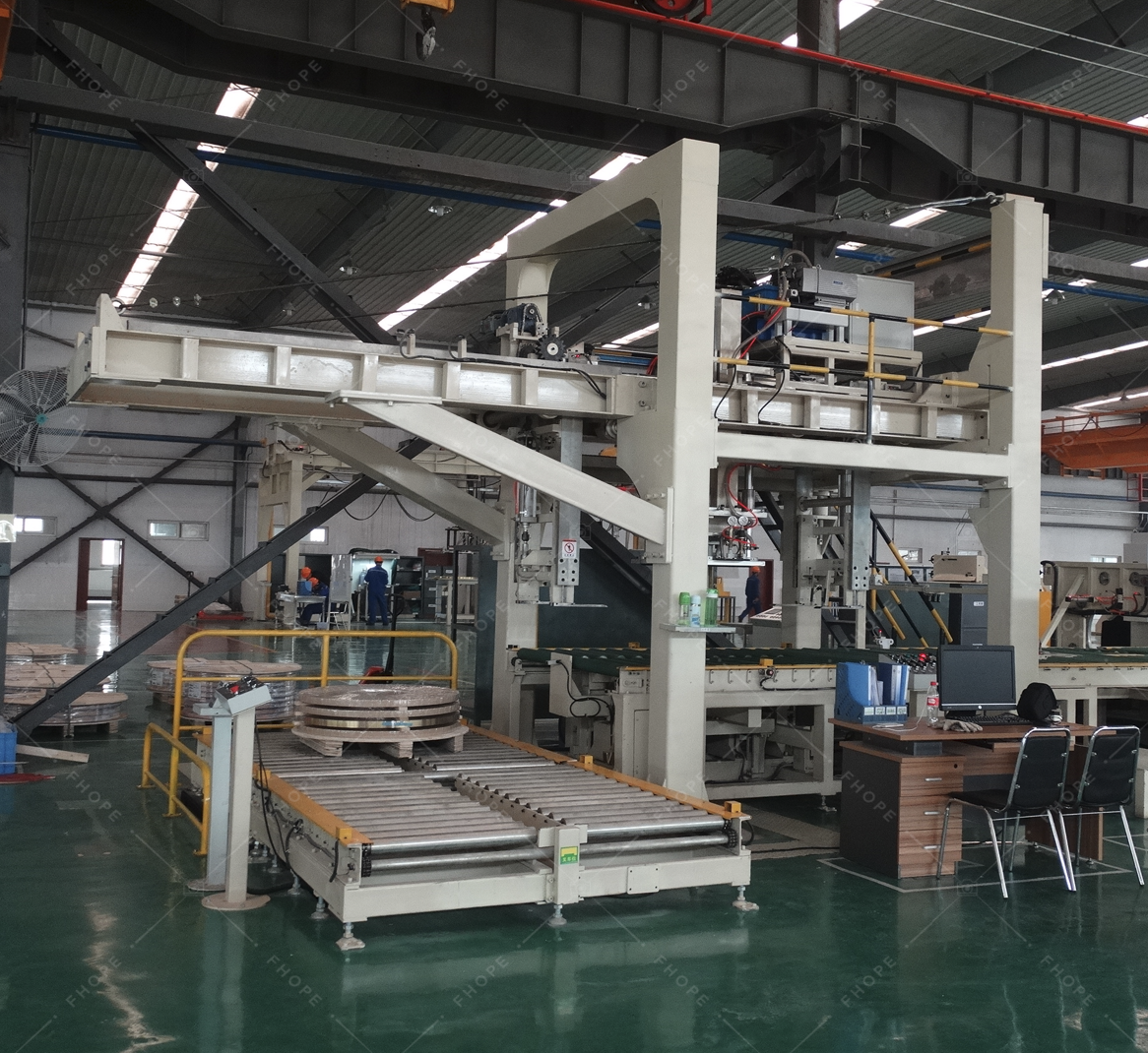
This guide helps exporters, packaging, quality, and logistics teams plan coil packaging for long-distance sea transport, including the wrapping scope on an dây chuyền đóng gói cuộn dây tự động.
| Rủi ro xuất khẩu | What the package must address |
|---|---|
| Độ ẩm và ăn mòn | Dry surface, VCI material, sealing, and condensation handling |
| Thiệt hại cơ học | Edge protection, side plates, inner-bore protection, and correct strapping |
| Mất danh tính | Legible labels and a record that survives handling |
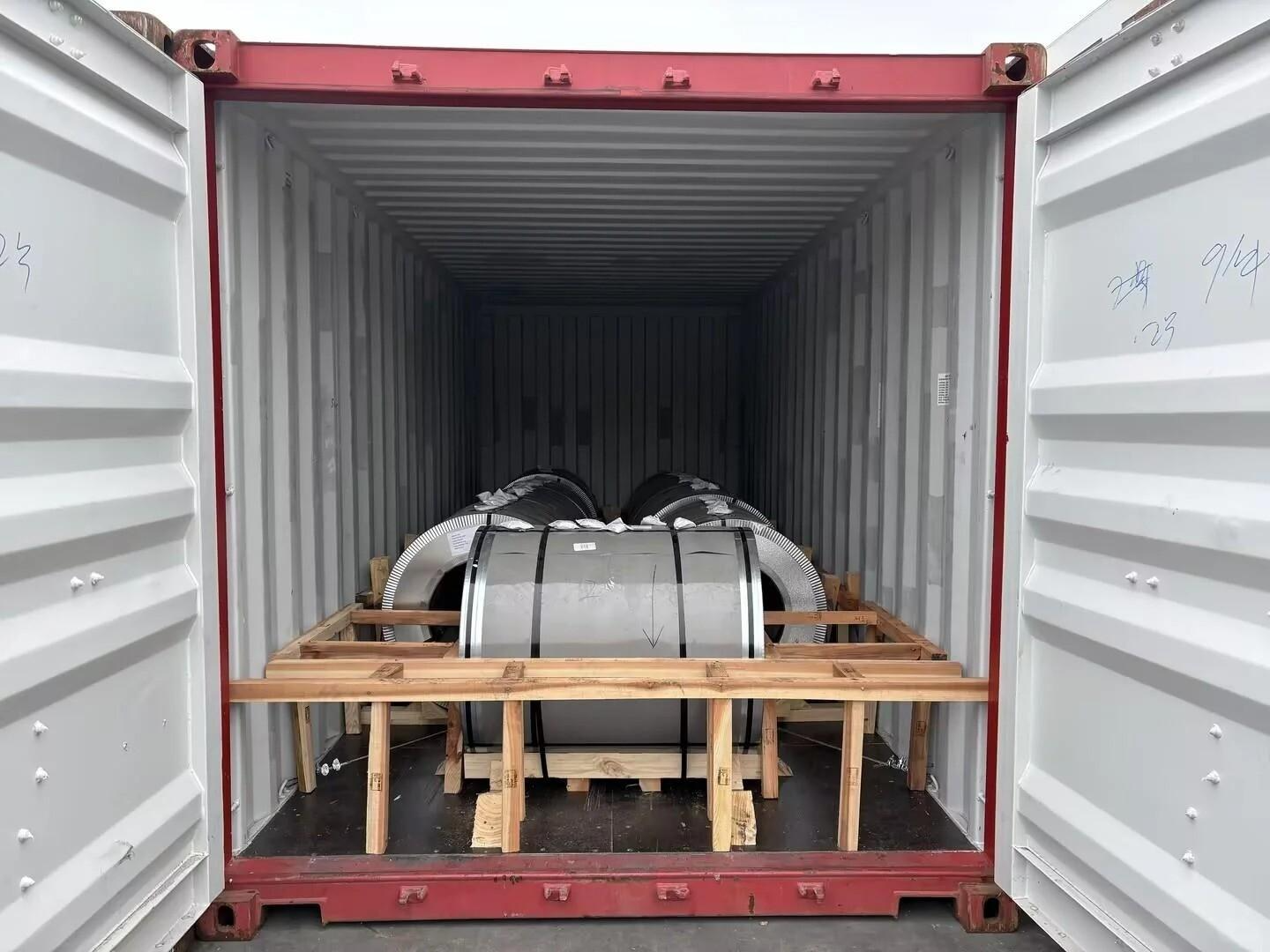
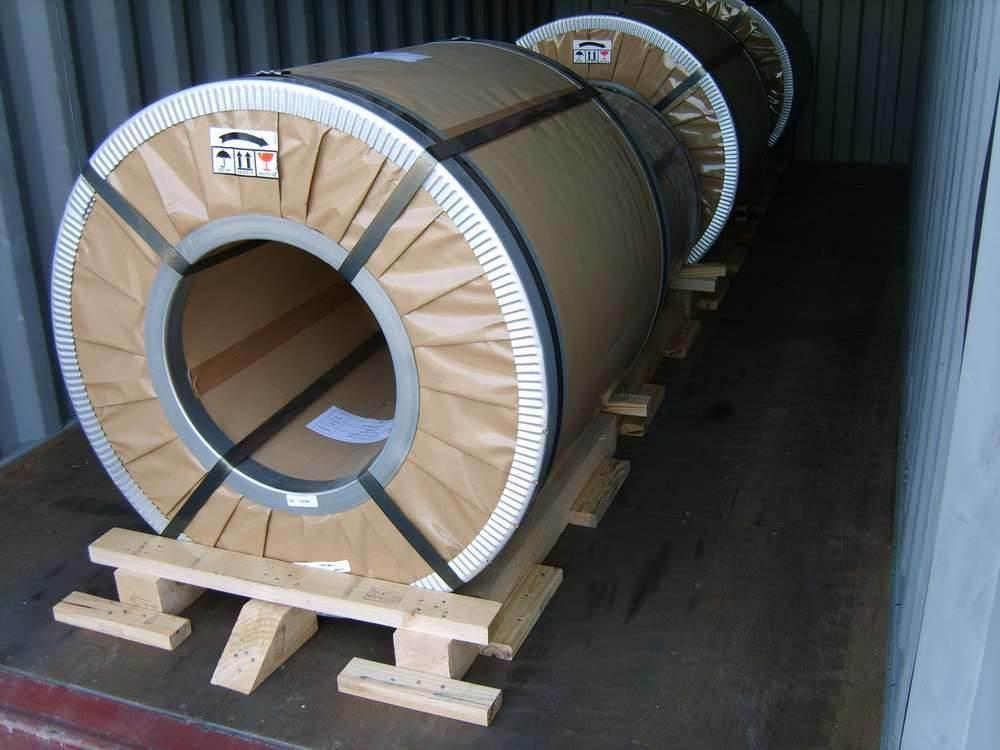
The image shows fully packaged steel coils ready for ocean freight. The completed package is the acceptance target for the export route, not an appearance that looks acceptable in the factory.
Define the Voyage and Storage Conditions
State the port-to-port route, expected voyage duration, season, container or breakbulk condition, transfer handling, and the storage period at origin and destination. Also state whether the package will be stacked, loaded below or above other cargo, and handled by crane, forklift, or spreader.
Those conditions decide the protection level, not the coil's size alone.
Protect Against the Three Main Risks
Export coil packaging must address moisture and corrosion, mechanical damage, and identity loss.
For moisture, use a combination of a dry surface, VCI or rust-inhibiting material, sealing, and packaging that can handle condensation. For mechanical damage, use edge protection, side plates, inner-bore protection, and correct strapping. For identity, keep the coil number, order, weight, and label legible and attached so the record survives handling.
Select Materials for the Route
VCI film or VCI paper is often part of an export recipe because it releases a protective vapor. Stretch film provides a tight outer wrap, while paper or non-woven material can cushion or absorb in specific applications. The combination and sequence matter more than a single product.
Strapping should hold the package without cutting into the coil or the wrapping layers. If the coil is sensitive, the contact layer should not mark the surface.
Plan the Package as a System
Write the export recipe in sequence: surface preparation, inner protection, edge protection, wrapping layers, strapping, labeling, and final inspection. For each step, state the material, method, and acceptance condition.
Include the handling method for loading into the container or hold. A package that cannot be lifted without damage is not complete.
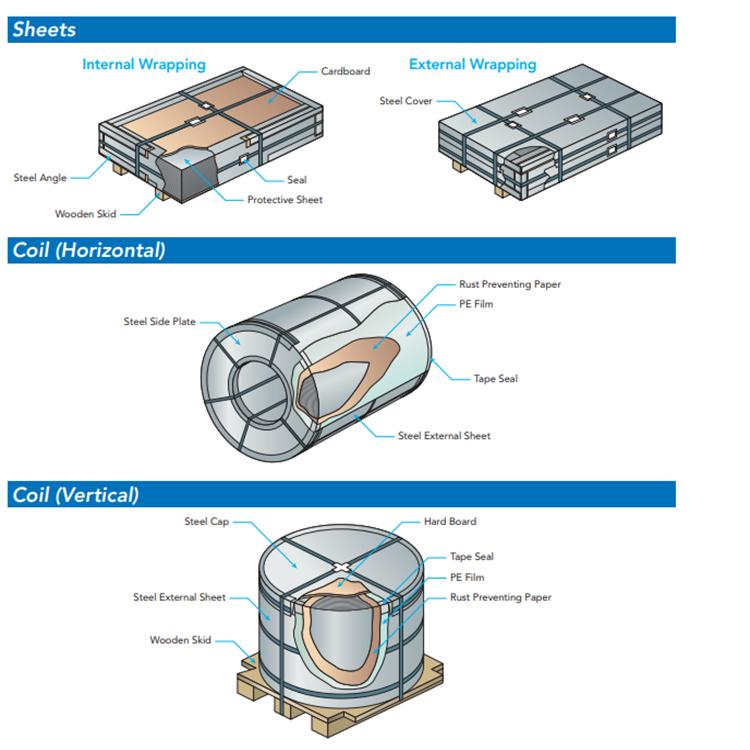
The image shows a cross-section diagram of the export packaging structure. The layer sequence is the actual recipe: surface preparation, contact layer, edge protection, wrapping material, strapping, and labeling must be defined in order.
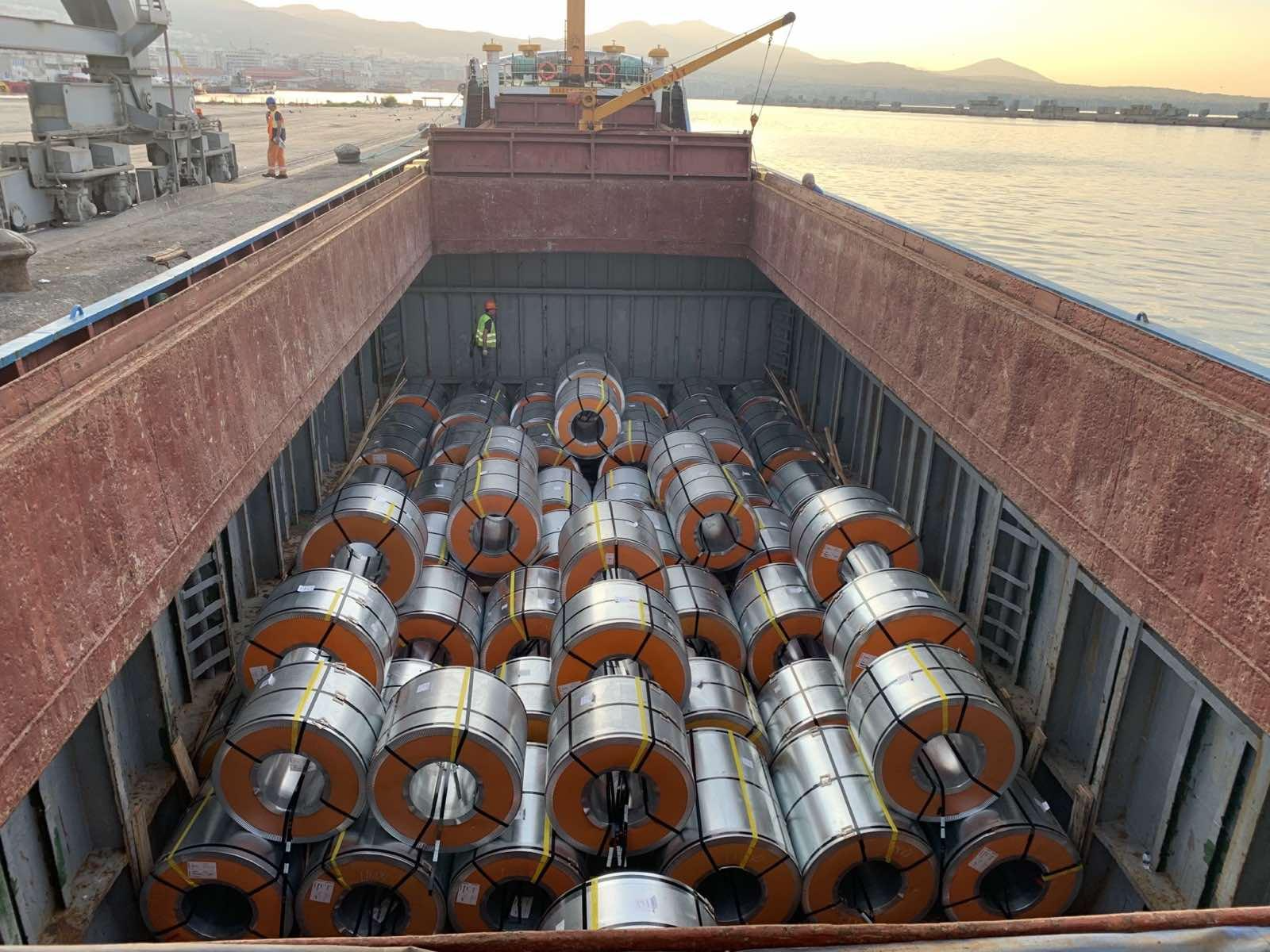
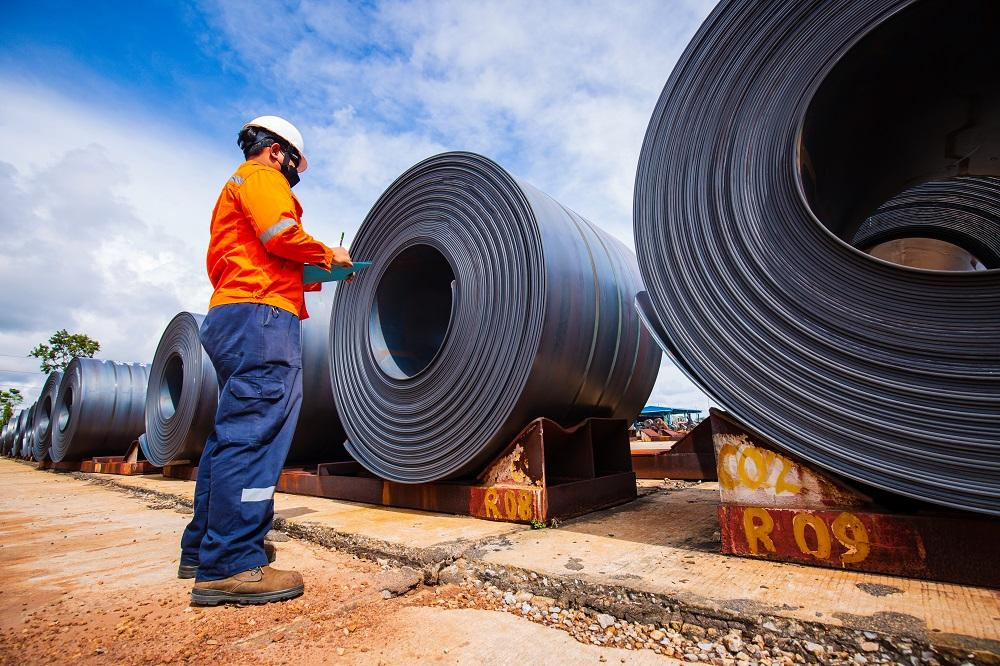
The image shows people around fully packaged steel coils. This is the point where the packaging result is checked before shipment: the surface, the strapping, the label, and the handling method are verified together.
Verify with a Shipping Trial
A material trial should include temperature and humidity cycles or an actual short shipment. Inspect the coil after handling and transit, record the result, and update the recipe. Do not rely on a bench test alone.
The trial conditions and limitations should be recorded so the recipe can be repeated and audited.
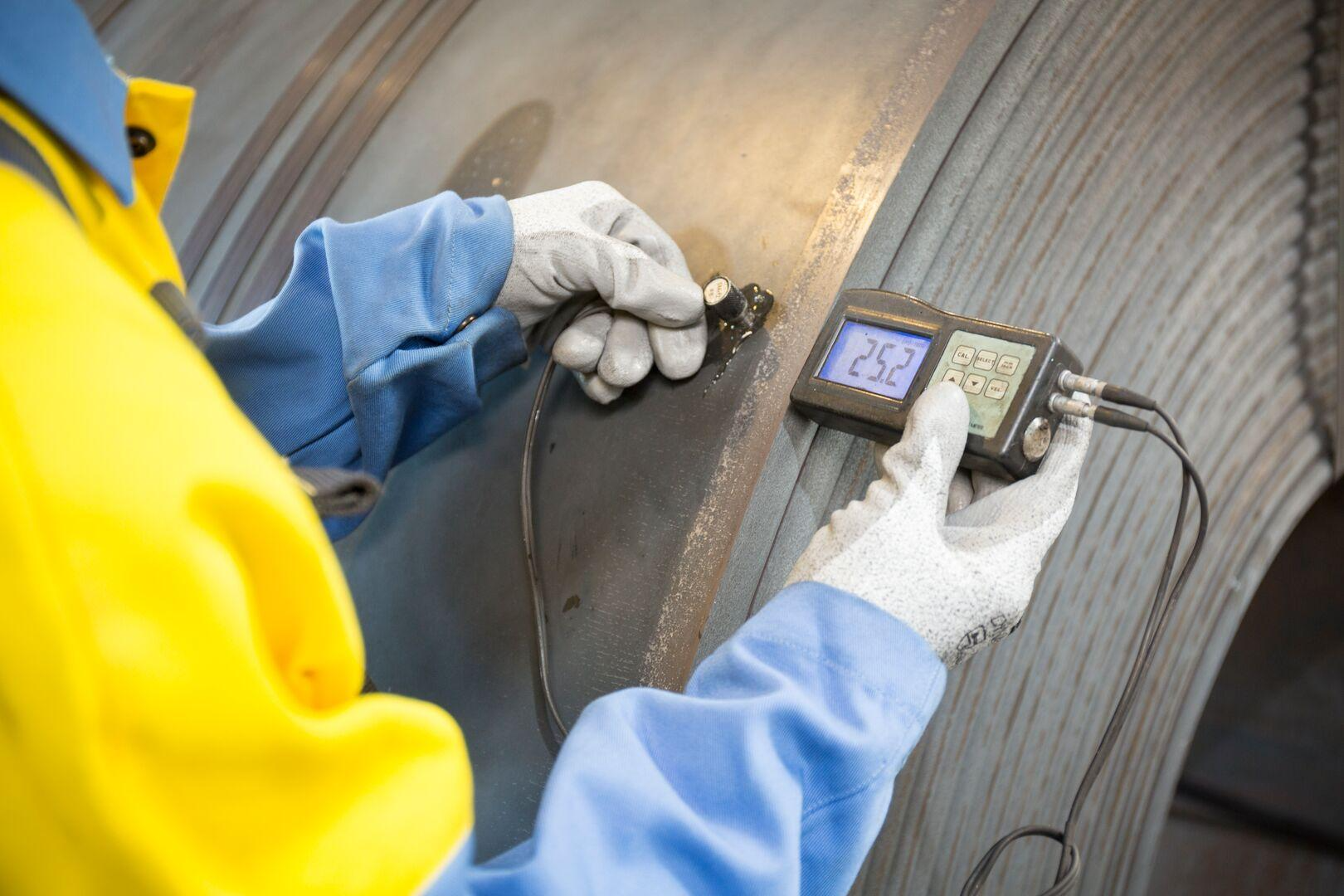
The image shows an export packaging inspection and rust protection test after unpacking. This is the evidence the recipe needs: the coil surface, package condition, and record are inspected after handling and transit.
Bước tiếp theo thiết thực
Create an export packaging specification by product family and destination route. Validate the full package with a handling and shipping trial, then record the inspection results and any changes made.
Keep the same route and trial conditions visible when comparing the dây chuyền đóng gói cuộn dây tự động wrapping scope, so the packaging recipe can be repeated for the next order.
Watch a coil VCI packing machine and big coil wrapper in operation:

Chi tiết hình ảnh
Nhấn vào đây để phóng to
Nhấn vào đây để phóng to
Nhấn vào đây để phóng to
Nhấn vào đây để phóng to
Xem cách nó hoạt động
Khám phá cách các giải pháp đóng gói tự động của chúng tôi tối ưu hóa hiệu quả dây chuyền sản xuất của bạn. Video này minh họa hoạt động liền mạch được thiết kế để bảo vệ sản phẩm tối đa.
Được tin cậy bởi Các nhà máy thép và các nhà lãnh đạo ngành công nghiệp
Các nhà sản xuất toàn cầu tin dùng thiết bị đóng gói hạng nặng của FHOPE.


Bạn đã sẵn sàng tối ưu hóa dây chuyền đóng gói của mình chưa?
Nhận báo giá tùy chỉnh kèm phân tích lợi tức đầu tư (ROI). Kỹ sư của chúng tôi sẽ phản hồi trong vòng 24 giờ.
- Thiết kế bố cục miễn phí
- Hỗ trợ lắp đặt toàn cầu
- Bao gồm bảo hành 2 năm
Thông tin của bạn được bảo mật và sẽ không bao giờ được chia sẻ.
Máy liên quan
Dây chuyền đóng gói thép cuộn
Xem chi tiết →
Dây chuyền đóng gói cuộn dây dọc
Xem chi tiết →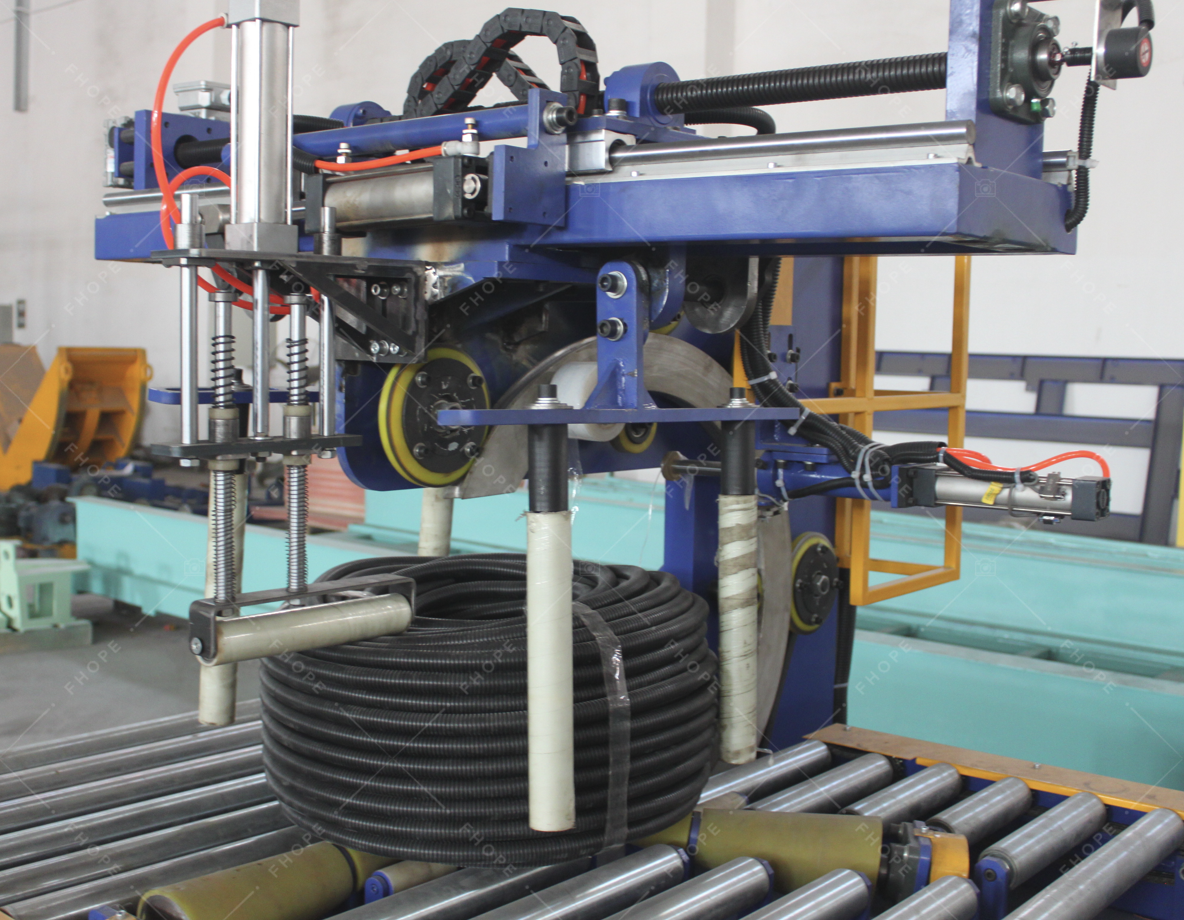
Dây chuyền đóng gói cuộn dây
Xem chi tiết →
Dây chuyền đóng gói cuộn dây đồng
Xem chi tiết →
Dây chuyền đóng gói cuộn dây
Xem chi tiết →
Dây chuyền đóng gói bảng điều khiển
Xem chi tiết →
Máy đóng bao ống
Xem chi tiết →
Dây chuyền đóng gói hồ sơ nhôm
Xem chi tiết →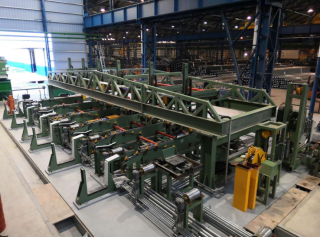
FHOPE Dây chuyền bó & đóng đai ống tự động
Xem chi tiết →
Dây chuyền đóng đai và bó ống tự động
Xem chi tiết →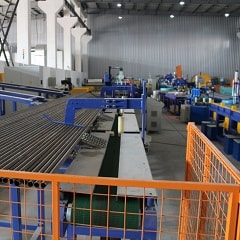
Máy đóng đai ống thép tự động
Xem chi tiết →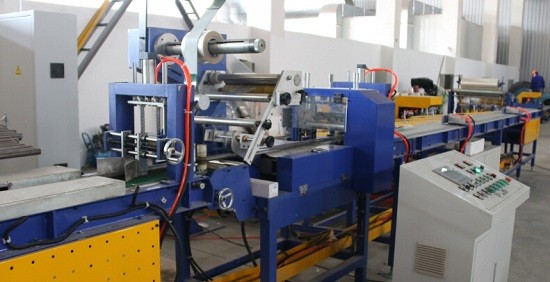
Máy đóng gói ống thép tự động FHOPE
Xem chi tiết →
Dây chuyền đóng gói ống nhựa tự động
Xem chi tiết →
Dây chuyền đóng bao ống PPR / PVC tự động
Xem chi tiết →
Máy đóng gói túi ống platsic
Xem chi tiết →
Máy đóng gói săm lốp FPT-200
Xem chi tiết →
Máy đóng gói săm lốp FPT-300
Xem chi tiết →
Máy đóng gói săm lốp FPT-400
Xem chi tiết →
Máy đóng gói cuộn dây cáp-FPCA100
Xem chi tiết →