How Should You Design a Packing Line for Slit Coils?
A packing line built for your biggest coil can still fail on slit coils. Narrow widths, bunch separation, edge protection, and constant changeovers become the real bottleneck. This guide shows how to design for the coils you actually run.

Cách cuộn giấy xẻ rãnh thay đổi thiết kế dây chuyền đóng gói của bạn
Cách cuộn giấy xẻ rãnh thay đổi thiết kế dây chuyền đóng gói của bạn
Slit coils are different from wide master coils. They arrive in narrow widths, higher quantities, frequent size changes, and more fragile edges. A packing line designed around the largest coil in the catalog will often fail on the real bottleneck: moving and packaging many narrow coils without mixing them.
This guide helps slitting-line operators, engineers, and project teams design an dây chuyền đóng gói cuộn dây tự động around the actual slit-coil population.
| Slit-coil data | Vì sao nó làm thay đổi thiết kế? |
|---|---|
| Width distribution | Drives changeover time and edge protection |
| Weight per strand | Drives transfer and stacking limits |
| Bunch count | Drives separation, buffering, and identity control |
| Packaging rule | Drives recipe, label, and first-article checks |

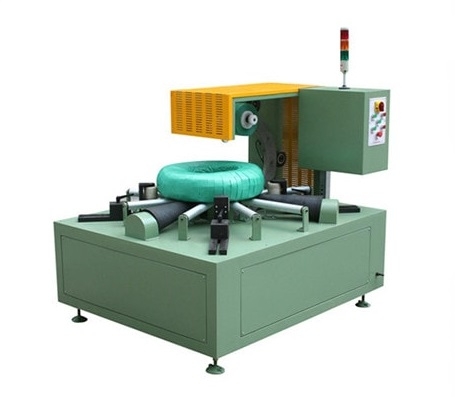
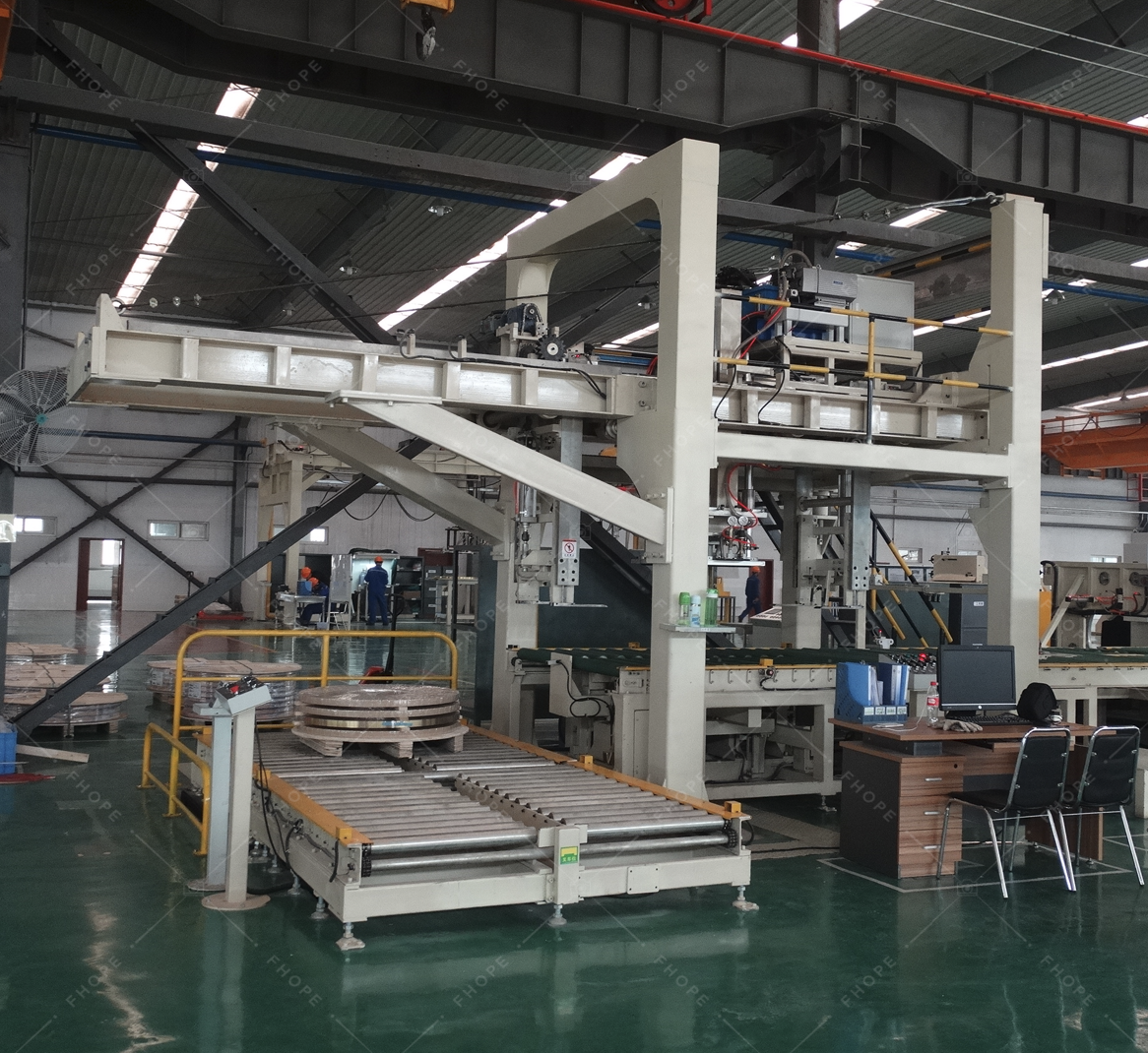
The image shows a vertical coil packaging line. For slit coils, the vertical arrangement is only one part of the decision; the line must also separate, identify, and package many narrow coils without mixing them.
Start with the Slit-Coil Product Mix
Record material and surface, inner and outer diameter, width, weight, thickness, and the number of slit strands per bunch. Include the most common combinations and the extreme cases that occur together.
For narrow coils, the width distribution matters more than a single maximum. Frequent width changes drive changeover time and can become the real constraint.
Define How Coils Arrive and Leave
Slit coils may arrive in a bunch from a turnstile or after cutting and shearing. The packing line must separate them without losing identity or mixing orders. Define how the bunch is received, how individual coils are identified, and how they are released.
If the coil identity cannot follow each slit strand, a label or packaging error can affect the entire batch.
Protect Edges and Narrow Surfaces
Narrow coils have sharp edges and a small footprint. Edge protection, side plates, and inner-bore protection may be more important than a thicker film. The support surface must prevent tipping and edge damage during transfer and wrapping.
The wrapping recipe should be tested on the narrowest and most sensitive coil, not only on a representative average.
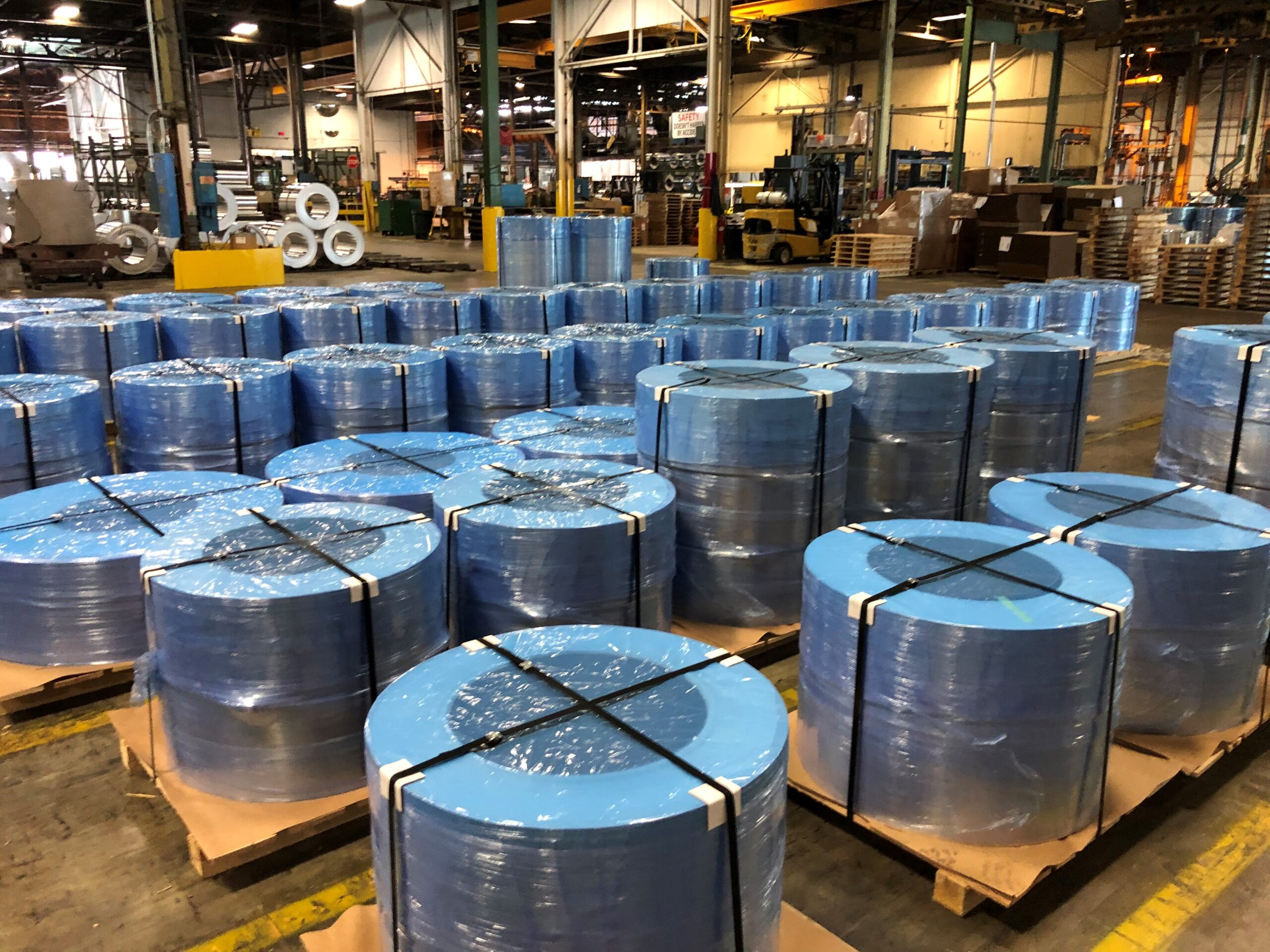
The image shows people reviewing steel coil surface protection and packaging quality. For slit coils, the same review must focus on narrow edges, surface contact, and the protection needed for the most sensitive strand.
Design for Frequent Changeover
Slitting lines often produce multiple widths in one shift. The packing line should change recipes, material, and positioning quickly and predictably. Record the selected recipe, setup change, first-article confirmation, and delay for every changeover.
Do not assume that a nominal wrapping speed solves a changeover problem.

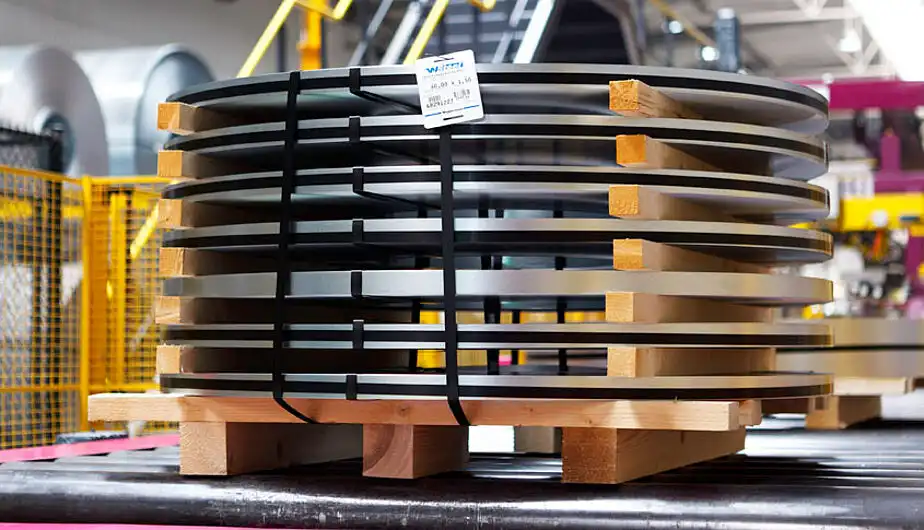
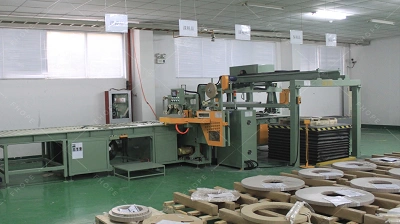
The image shows a stainless steel coil packing machine line. Frequent width and recipe changes make the changeover procedure, first-article check, and material change part of the same line design.
Balance Throughput Across the Line
The slitting line may release coils faster than the packing line can accept them. The buffer size, number of turnstile arms, and stacking capacity must be matched to the release pattern.
Measure the end-to-end accepted output, not only the wrapper cycle.

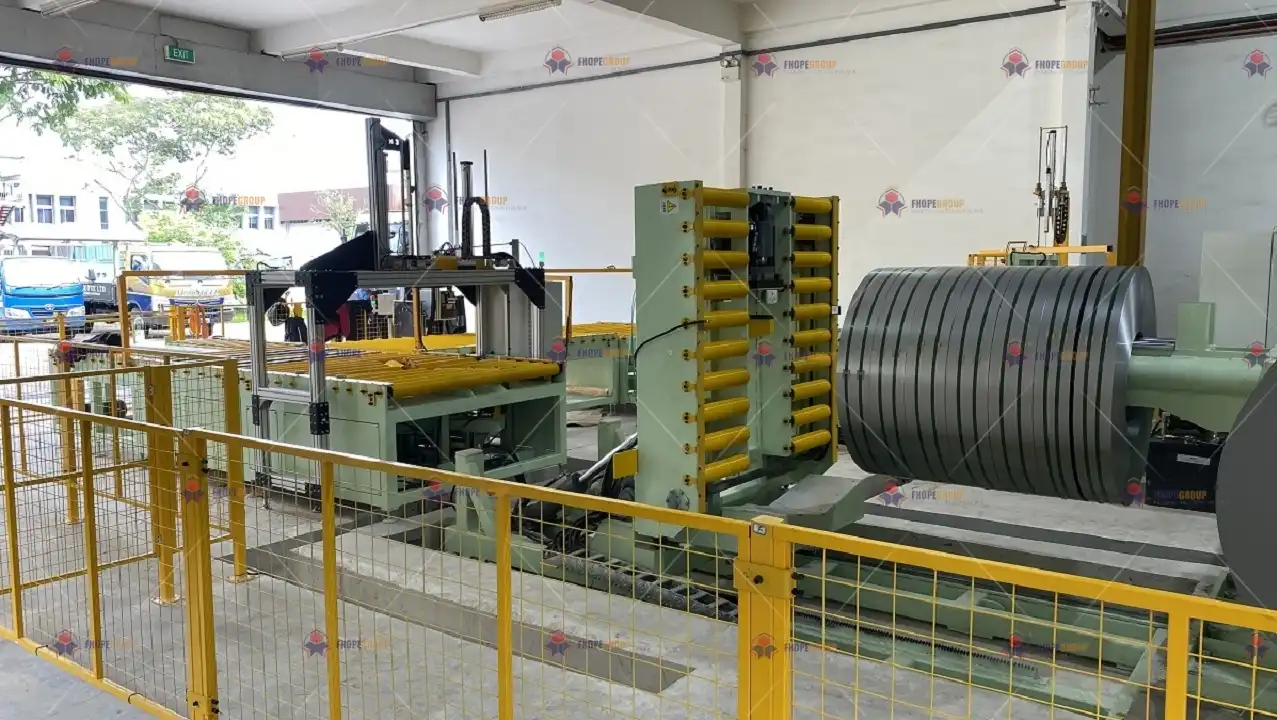
The image shows an automatic steel coil strapping and stacking conveyor line. The buffer and stacking capacity on this kind of line must match the release pattern of the slitting line, not a single machine cycle.
Manage Bunch and Stacking Limits
If slit coils are stacked before strapping, define the maximum stack height and the stability rule. A stack of narrow coils may need different support than a single wide coil.
The stacking station should prove the normal and maximum stack cases during acceptance.
Bước tiếp theo thiết thực
Build a slit-coil product table with width, weight, bunch count, and packaging rule. Use it to review the line scope before procurement and to define the representative acceptance cases.
Keep the same table visible for the dây chuyền đóng gói cuộn dây tự động comparison, and test the narrowest, most sensitive, and most frequent changeover cases during acceptance.
Hãy xem dây chuyền đóng gói cuộn thép đang hoạt động:

Chi tiết hình ảnh

Nhấn vào đây để phóng to
Nhấn vào đây để phóng to
Nhấn vào đây để phóng to
Nhấn vào đây để phóng to
Xem cách nó hoạt động
Khám phá cách các giải pháp đóng gói tự động của chúng tôi tối ưu hóa hiệu quả dây chuyền sản xuất của bạn. Video này minh họa hoạt động liền mạch được thiết kế để bảo vệ sản phẩm tối đa.
Được tin cậy bởi Các nhà máy thép và các nhà lãnh đạo ngành công nghiệp
Các nhà sản xuất toàn cầu tin dùng thiết bị đóng gói hạng nặng của FHOPE.


Bạn đã sẵn sàng tối ưu hóa dây chuyền đóng gói của mình chưa?
Nhận báo giá tùy chỉnh kèm phân tích lợi tức đầu tư (ROI). Kỹ sư của chúng tôi sẽ phản hồi trong vòng 24 giờ.
- Thiết kế bố cục miễn phí
- Hỗ trợ lắp đặt toàn cầu
- Bao gồm bảo hành 2 năm
Thông tin của bạn được bảo mật và sẽ không bao giờ được chia sẻ.
Máy liên quan
Dây chuyền đóng gói thép cuộn
Xem chi tiết →
Dây chuyền đóng gói cuộn dây dọc
Xem chi tiết →
Dây chuyền đóng gói cuộn dây
Xem chi tiết →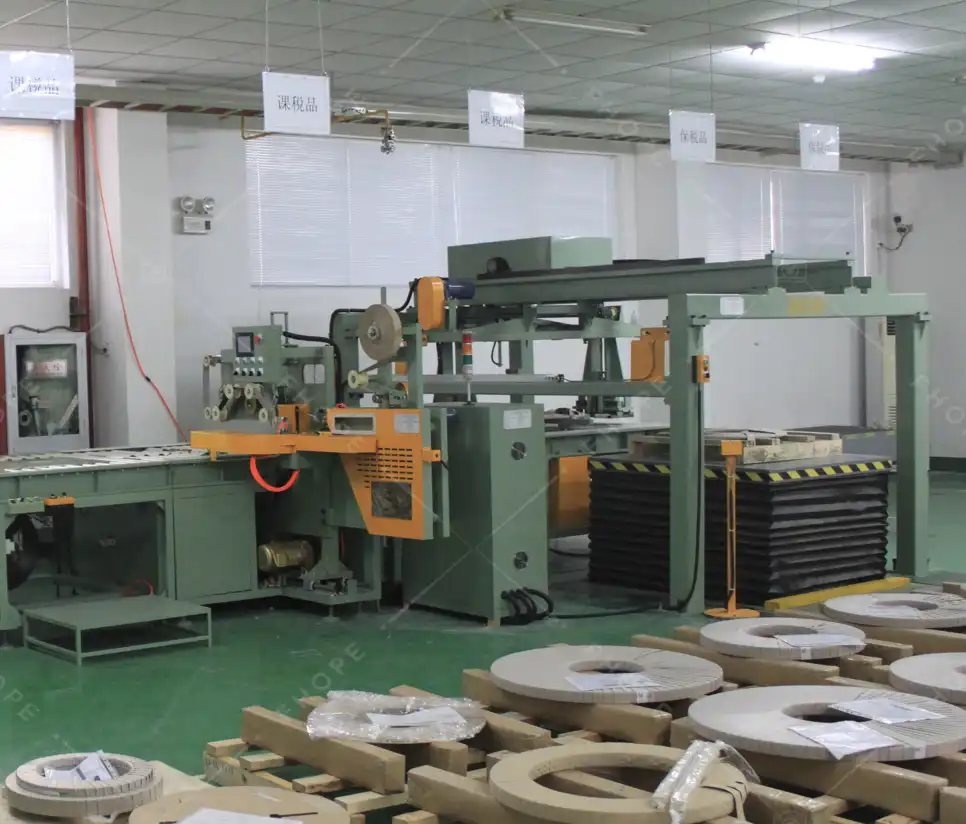
Dây chuyền đóng gói cuộn dây đồng
Xem chi tiết →
Dây chuyền đóng gói cuộn dây
Xem chi tiết →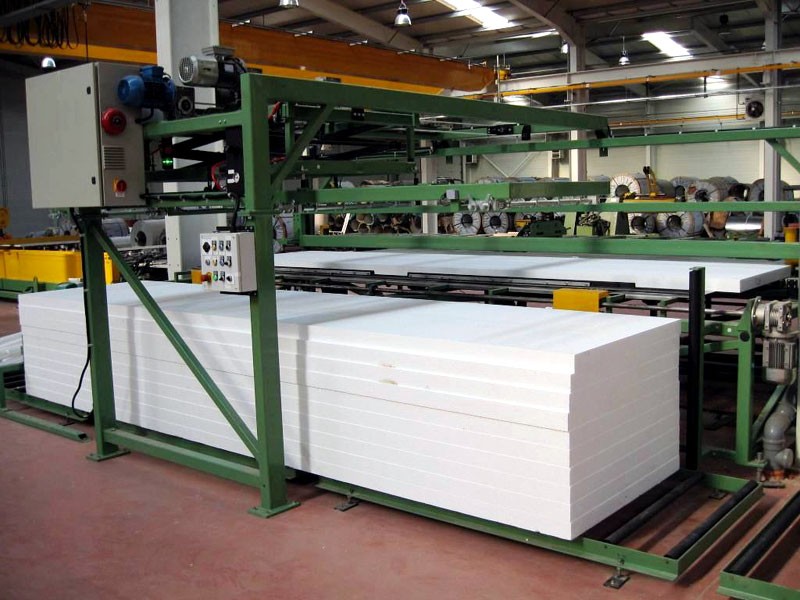
Dây chuyền đóng gói bảng điều khiển
Xem chi tiết →
Máy đóng bao ống
Xem chi tiết →
Dây chuyền đóng gói hồ sơ nhôm
Xem chi tiết →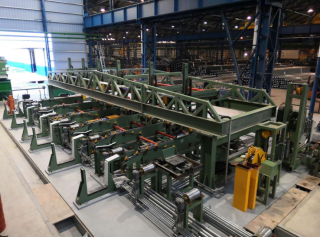
FHOPE Dây chuyền bó & đóng đai ống tự động
Xem chi tiết →
Dây chuyền đóng đai và bó ống tự động
Xem chi tiết →
Máy đóng đai ống thép tự động
Xem chi tiết →
Máy đóng gói ống thép tự động FHOPE
Xem chi tiết →
Dây chuyền đóng gói ống nhựa tự động
Xem chi tiết →
Dây chuyền đóng bao ống PPR / PVC tự động
Xem chi tiết →
Máy đóng gói túi ống platsic
Xem chi tiết →
Máy đóng gói săm lốp FPT-200
Xem chi tiết →
Máy đóng gói săm lốp FPT-300
Xem chi tiết →
Máy đóng gói săm lốp FPT-400
Xem chi tiết →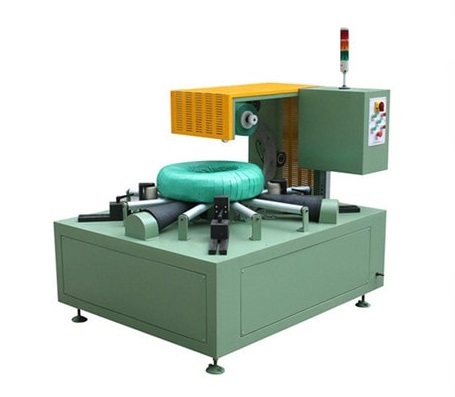
Máy đóng gói cuộn dây cáp-FPCA100
Xem chi tiết →