บทสรุปผู้บริหาร
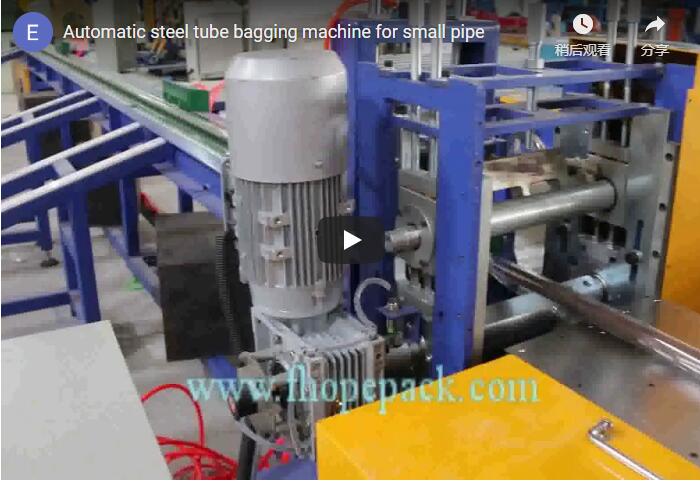
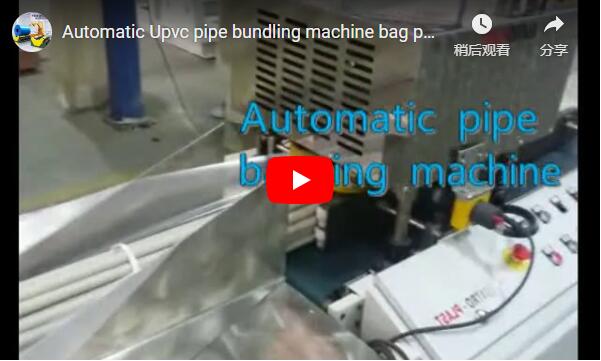
High-grade polished tubing, architectural extrusions, and finished aluminum profiles are priced on surface integrity. A single contact scratch or abrasion during transit down-rates prime stock into costly scrap. The automatic aluminum profile bagging machine forms a continuous, form-fitting film envelope around each discrete length as it advances through an inline forming collar. By integrating continuous longitudinal thermal sealing with synchronized flying or gap-sensing end cut-off, each profile exits fully sealed in a dedicated protective sleeve, isolated from abrasive bundle contact, moisture, and dust.
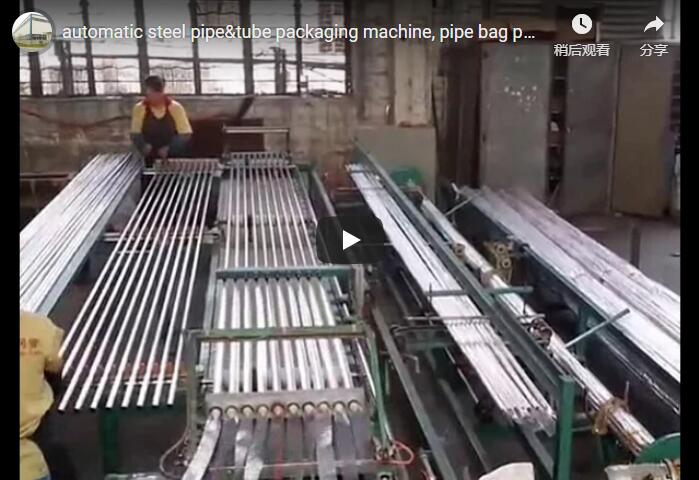
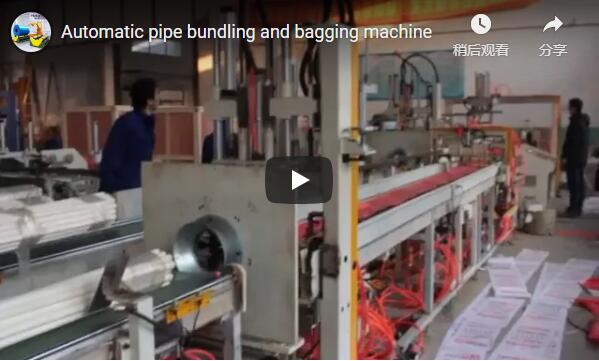
Single extrusions are placed onto a heavy-duty, ultra-high-molecular-weight polyethylene (UHMW-PE) lined stainless steel infeed table. As profiles advance toward the wrapping head, polished forming guides fold roll-fed film into a continuous tubular sleeve around the moving work envelope. Bagged extrusions feed through the outfeed conveyor clear of the sealing station and transfer to staging carts or automated cross-transfer racks for master bundle strapping.
สารบัญ
- Why Bag Each Length
- ลำดับเครื่องจักร
- ข้อมูลเครื่องจักร
- Film Width Calculation
- ผลผลิตต่อชั่วโมง
- รายการตรวจสอบการเลือก
- สถาปัตยกรรมความปลอดภัย
- คำถามที่พบบ่อยด้านวิศวกรรม
- ขั้นตอนต่อไป
- การอ่านที่เกี่ยวข้อง
- แหล่งที่มา
Why Bag Each Length
When anodized, powder-coated, or mirror-finished profiles are packed directly metal-to-metal, vibration during transport causes fretting wear and micro-frictional rubbing. Individual film sleeving mitigates damage through key physical protections:
- Elimination of Surface-to-Surface Abrasion: The flexible polymer film acts as a sacrificial barrier, isolating profiles so master bundles can be strapped or stretch-wrapped under high tensile tension without marking the contact faces.
- การปิดผนึกด้านสิ่งแวดล้อม: Continuous sleeving keeps shop dust, moisture, and cutting fluid residues away from high-finish profiles during prolonged yard storage and job-site staging.
- Preservation Through Downstream Handling: Individual sleeves stay intact until point-of-use cutting and installation, drastically lowering quality dispute rates with end users.
ลำดับเครื่องจักร
- Infeed Positioning: The operator or an automated saw cross-feeder positions individual lengths onto the driven low-friction conveyor bed.
- Forming Collar Folding: Roll-fed film passes an adjustable mechanical tension brake and dynamic guide rollers, folding cleanly around the target cross-section.
- Continuous Longitudinal Sealing: The overlapping film seam is thermally sealed along the length by constant-temperature heating blocks or rotary heated traction wheels (PID controlled).
- Gap Sensing & End Sealing/Cutting: Optical sensors identify the trailing edge and gap between consecutive profiles. The cross-sealing jaw actuates cleanly within the inter-piece clearance, fusing both sleeve ends and severing the bag without blade wear against metal cores.
- Clearance Outfeed: The synchronized outfeed conveyor accelerates the bagged piece clear of the cutter carriage.
- Continuous Infeed Handover: Profiles enter back-to-back, establishing a continuous, non-stop bagging cycle.
ข้อมูลเครื่องจักร
| พารามิเตอร์ทางวิศวกรรม | ข้อกำหนดมาตรฐาน | Heavy-Duty / Custom Range |
|---|---|---|
| วัสดุบรรจุภัณฑ์ | BOPP, HDPE, or LDPE Co-ex Film | Perforated VCI, Anti-Static Films |
| ช่วงความหนาของฟิล์ม | 30–60 µm (Single Wall) | 25–80 ไมครอน |
| ข้อมูลจำเพาะของม้วนฟิล์ม | OD 100–200 mm, ID Core 75 mm (3″) | เส้นผ่านศูนย์กลางภายนอกสูงสุด 300 มม. |
| Profile Length Rating | Standard 6,000 mm (Set via HMI) | 1,500 มม. ถึง 12,000 มม |
| Tube / Profile Envelope | Outer Diameter (OD) 9.5–50 mm | Square / Rectangular up to 80 × 50 mm |
| ความเร็วในการบรรจุแบบเส้นตรง | 10–50 m/min (Inverter Regulated) | สูงสุด 60 ม./นาที |
| อุปทานนิวเมติก | 0.5–0.7 MPa (5–7 bar, dry filtered) | Clean Air Line, 1/2″ Port |
| ระดับไฟฟ้า | 380 V, 3-Phase, 50/60 Hz | 200–480 V Configurable |
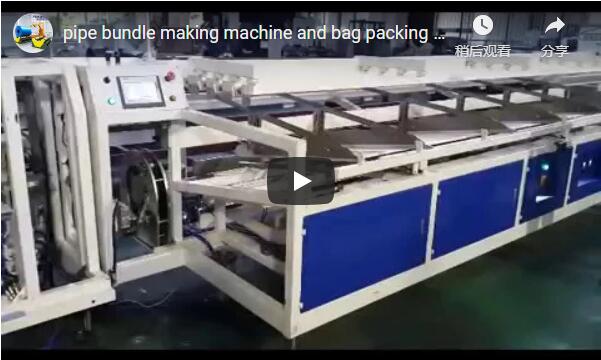
The machine integrates an industrial PLC platform with a high-resolution touchscreen HMI, vector inverter speed synchronization, and PID loop temperature control modules (maintaining setpoints within ±1.5 °C). When processing alternating production lengths, the operator enters the active dimensional envelope (for example, 2.0 m minimum to 6.5 m maximum); the optical tracking system automatically recalculates cross-seal stroke points. Operating voltage, line frequency, and infeed track configurations are tailored per installation site.
Film Width Calculation
Selecting correct web width avoids loose, wrinkling sleeves or excessive tension that snaps film during fold-over.
Calculated Web Width (W_film) ≈ Product Perimeter + Longitudinal Sealing Allowance + Clearance
- Round Tube Formula:
W_film = (π × OD) + S_allowance + C_clearanceตัวอย่าง: For a 30 mm OD architectural round tube with a 20 mm longitudinal fin-seal allowance and 5 mm transit clearance:W_film ≈ (3.1416 × 30) + 20 + 5 ≈ 94.2 + 25 = 119.2 mm(Standardize to 120 mm web roll). - Rectangular Extrusion Formula:
W_film = 2 × (Width + Height) + S_allowance + C_clearanceตัวอย่าง: For a 40 × 20 mm rectangular section:Perimeter = 2 × (40 + 20) = 120 mmW_film ≈ 120 + 20 + 5 = 145 mm web width.
Optimal film roll slit widths for specific custom die profiles are validated during machine engineering design.
ผลผลิตต่อชั่วโมง
Actual packaging throughput is a mathematical function of linear line speed, cut length, and inter-piece handling gaps:
Output (Pieces/Minute) = Linear Conveyor Speed (m/min) ÷ [Product Length (m) + Infeed Gap (m)]
Hourly Throughput = Output (Pieces/Minute) × 60
ตัวอย่างการคำนวณ :
- Nominal Profile Length = 6.0 m
- Controlled Conveyor Feeding Gap = 0.5 m
- Conveyor Velocity = 26 m/min
Throughput = 26 ÷ (6.0 + 0.5) = 4.0 Pieces/Minute (240 lengths/hour)
At this operating index, a fresh extrusion enters every 15 seconds. Two line operators or an automated indexing buffer table maintain continuous conveyor saturation to achieve rated capacity.
รายการตรวจสอบการเลือก
Ensure complete process alignment before equipment build by reviewing these core criteria:
- Profile Geometry & Range: Cross-sectional envelope (minimum/maximum OD or width × height) and surface sensitivity.
- ช่วงความยาวในการตัด: Minimum and maximum finished lengths off the extrusion or cut-to-length saw.
- อัตราการผลิตเป้าหมาย: Required pieces per hour or maximum extrusion exit speed in meters per minute.
- Packaging Film Substrate: BOPP for high-clarity presentation or LDPE for tear resistance, including web thickness (µm).
- Infeed & Loading Automation: Manual loading table vs. automated kick-in table directly tied to upstream saw lines.
- การบูรณาการปลายน้ำ: Manual off-loading to carts, automated layer collators, or continuous bundling and spiral wrapping stations.
สถาปัตยกรรมความปลอดภัย
All mechanical and electrical systems are engineered in accordance with international industrial packaging safety codes:
- Risk Assessment & Safety Integration: สอดคล้องกับ EN ISO 12100: 2010 for machinery hazard mitigation and ergonomic loading heights.
- ความปลอดภัยของเครื่องจักรบรรจุภัณฑ์: สร้างขึ้นเพื่อ *สำหรับข้อมูลเฉพาะ โปรดติดต่อเรา requirements, incorporating mechanical interlocks, polycarbonate safety shields over the hot sealing station, and pneumatic dump valves.
- Electrical Safety & Circuit Control: สอดคล้องกับ *สำหรับข้อมูลเฉพาะ โปรดติดต่อเรา with Category 0/1 emergency stops, motor thermal overload isolation, 24 V DC control voltage safety, and lockout-tagout (LOTO) disconnect points.
- Sealing Guard Protection: Dual-channel optical safety interlocks prevent jaw actuation during maintenance or manual jam clearing.
คำถามที่พบบ่อยด้านวิศวกรรม
Q: Does the sealing system produce airborne smoke, toxic fumes, or polymer residue? A: No. The machine utilizes a PID-regulated constant-temperature heat-sealing knife coated with anti-stick industrial PTFE. Operating below film decomposition temperatures, it produces clean, non-carbonized thermal welds without noxious off-gassing or film residue buildup.
Q: Can this machine handle steel, brass, or stainless tubing in addition to aluminum? A: Yes. Any rigid or semi-rigid tubular profile within the 9.5–50 mm diameter envelope can run without structural modification. Stainless steel and brass lines benefit from optional non-marking polymer contact guides to eliminate carbon iron contamination.
Q: What is involved in reel changes and film tension adjustment? A: The film unwind features a quick-clamp pneumatic or mechanical expansion shaft with an integrated dynamic friction brake. Standard changeover takes under three minutes. Machine HMI menus operate in native English with direct parameter presets for diverse profile sizes.
ขั้นตอนต่อไป
- ส่งพารามิเตอร์การผลิต: Forward your profile engineering drawings (DXF/PDF), minimum/maximum lengths, and target hourly output to
info@fhopepack.com. - การตรวจสอบทางวิศวกรรม: We establish the forming collar dimensions, optimal film roll width, and matching plant layout.
- การพลิกกลับข้อเสนอ: Receive an engineering quotation and dimensional conveyor blueprint within 24–48 hours.
การอ่านที่เกี่ยวข้อง
- Automatic Aluminum Profile Bagging Machine (Technical Product Page)
- Automatic Aluminum Tube Bagging and Stacking Line
- เครื่องบรรจุถุงแบบมัดโปรไฟล์อลูมิเนียม
แหล่งที่มา
- FHOPE Machinery Packaging Systems: Extrusion & Tube Bagging Equipment Technical Specifications.
- EN ISO 12100: 2010 ความปลอดภัยของเครื่องจักร — หลักการทั่วไปในการออกแบบ — การประเมินความเสี่ยงและการลดความเสี่ยง.
- *สำหรับข้อมูลเฉพาะ โปรดติดต่อเรา ความปลอดภัยของเครื่องจักรบรรจุภัณฑ์ — ข้อกำหนดทั่วไป.
- *สำหรับข้อมูลเฉพาะ โปรดติดต่อเรา ความปลอดภัยของเครื่องจักร — อุปกรณ์ไฟฟ้าของเครื่องจักร — ข้อกำหนดทั่วไป.
แก้ไขล่าสุด: 20 กันยายน 2026