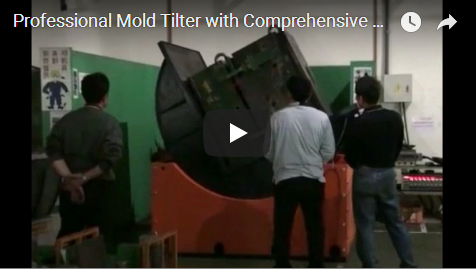
Краткое описание. На видео показан большой белый цилиндрический поворотный механизм, вращающий полную стопку многослойного картона на 180 градусов. Механизм приводится в движение электродвигателем с редуктором, при этом оператор ни в какой момент не касается груза. Стопка остается зафиксированной и поддерживаемой на протяжении всего цикла. Технические характеристики, такие как грузоподъемность, время цикла и мощность двигателя, в видео не показаны; перед покупкой уточните эти данные у производителя.
Если на вашем предприятии обрабатываются тяжелые штабели, поддоны или рулонные грузы, которые необходимо переворачивать с одной стороны на другую — будь то для переупаковки, проверки, сортировки или последующей обработки — специализированный опрокидыватель обычно безопаснее и быстрее, чем подъемные бригады с кранами и стропами. На этой странице представлено простое и понятное описание того, что делает машина, показанная в видео, из чего она состоит, какое место она занимает в производственном процессе и что вам еще необходимо уточнить у производителя, прежде чем принимать решение о покупке.
Работа механизма, шаг за шагом.
Видеоролик демонстрирует полный цикл переворачивания. Вот как это выглядит на экране:
- Начальная позиция (начало видео). Станок установлен в наклонном положении (примерно на 45–60 градусов на экране). Поддон, загруженный толстым многослойным листовым материалом, удерживается внутри большой цилиндрической рамы, опирающейся на центральную опорную балку.
- Вращение (примерно первая половина видеоряда). Рама плавно вращается вокруг своей центральной оси, перемещая груз сначала в горизонтальное, а затем в полностью перевернутое положение. Синий электродвигатель с редуктором, установленный в нижней части машины, приводит в движение вращение через нечто, похожее на зубчатое кольцо на корпусе барабана.
- Установки и фиксация (вторая половина видеозаписи). Рама достигает конечной точки, охватывающей 180 градусов. Теперь штабель опирается на противоположную сторону, поддерживаемый платформой, при этом исходная несущая конструкция полностью открыта. Оператор не вмешивается, и ничего не соскальзывает и не падает на протяжении всего перемещения.
Весь цикл воспринимается как единое плавное вращение, приводимое в действие двигателем — без рывков, без ручного изменения положения, без пауз, видимых в записанных кадрах.
Заметки о непосредственных наблюдениях
Приведённый ниже фрагмент текста максимально приближен к фактическим выводам, полученным в результате покадрового анализа, и содержит лишь грамматические правки:
- Машина имеет большую цилиндрическую раму, окрашенную в белый цвет, с зубчатым кольцом на внешней стенке (вероятно, это зубчатое кольцо привода поворота/вращения), установленную на наклонном основании со сварной стальной конструкцией.
- В левом нижнем углу виден синий трехфазный электродвигатель с редуктором, соединенный с главным приводом через муфту.
- В нижней части вращающегося корпуса установлены две симметричные направляющие с роликовыми механизмами.
- Центральная двухрычажная опорная балка (белого цвета) удерживает поддон с заготовкой во время переворота.
- Белая изогнутая крышка/ограничительная перегородка частично закрывает отверстие камеры вращения в верхней части.
- На боковых поверхностях видны многочисленные болты, посадочные места подшипников и кабельные лотки.
- В рамке отсутствуют панель управления, экран, кнопки и индикаторные лампочки.
- Груз представляет собой многослойную стопку древесно-стружечных материалов (возможно, древесины, фанеры, картона или обрезков композитных материалов) общей высотой примерно 30–50 см и шириной 60–80 см относительно рамы, при этом толщина каждого слоя составляет около 1–3 см.
- Внешняя сторона груза темно-серая/черно-коричневая, внутренняя — светло-коричневая/кремовая, с шероховатыми краями, пятнами и светоотражающими полосами, указывающими на остатки фольги/металлической пленки.
- На протяжении всего процесса заготовка постоянно механически удерживается/поддерживается; ослабления крепления или падения не наблюдается. Ни один оператор не прикасается к грузу ни на одном этапе.
- На видеозаписи нигде не видно читаемого текста, табличек с названием, предупреждающих надписей, логотипов или водяных знаков.
- В рамах отсутствуют защитные ограждения, световая завеса, кнопка аварийной остановки или предупреждающие знаки.
Что показано на видео
| Время на экране | Что происходит | Почему это важно для покупателя |
|---|---|---|
| Начать | Рама наклонена, загружена в стопку и удерживается внутри барабана. | Подтверждает, что груз зафиксирован, а не подвешен — безопаснее, чем опрокидывание краном. |
| Ранне-средний период | Непрерывное вращение с электроприводом в горизонтальном направлении. | Показывает, что накопитель обрабатывает полный стек без ручной помощи. |
| средняя | Груз проходит горизонтально, при этом штабель остается целым. | Указывает на то, что несущая конструкция удерживает слоистый, рыхлый материал. |
| Конец | Достигнуто положение на 180 градусов; стопка опор перевернута на платформе. | Демонстрирует полный цикл переворота, готовность к взлету. |
Два момента бросаются в глаза. Во-первых, груз действительно неоднородный и неплотно уложен — шероховатый, неровный картон — и при этом он вращается без видимого смещения. Это говорит о том, что конструкция с барабанно-балочной опорой действительно работает, обеспечивая стабильность неравномерных грузов. Во-вторых, движение осуществляется за счет полной мощности двигателя; гравитация может помогать на отдельных участках дуги, но вращение явно обеспечивается редукторным двигателем.
Чего не показано в видео
Видеоролик представляет собой единую, понятную демонстрацию, поэтому многие вещи, которые обычно нужны покупателю, просто не видны. Не следует предполагать ничего из перечисленного ниже — уточните информацию у производителя :
- Номинальная грузоподъемность (максимальный вес, способный опрокинуться)
- Скорость вращения и время полного цикла в 180 градусов.
- Технические характеристики мощности, напряжения и тока двигателя
- Точное обозначение модели
- Сертификаты безопасности (CE, UL, GB и др.)
- Подробности об интерфейсе управления — ни в одном окне не отображаются ни панель, ни кнопки, ни экран.
- Установлены ли блокировки (например, остановка движения при открытии ограждения)?
- Доступны ли системы конвейерной подачи/отвода с электроприводом или многопозиционные переключатели?
- Возможность регулировки платформы поддержки для работы на различной высоте груза.
- Варианты интерфейса ПЛК или удаленного мониторинга
Где может разместиться такой наклонный механизм?
Исходя из показанной нагрузки, машина решает распространенный класс задач по перемещению грузов:
- Переворачивание сложенных листов материала или обрезков Таким образом, нижняя сторона обращена вверх для осмотра, очистки или повторной укладки — именно так, как показано на рисунке.
- Подготовка к сортировкегде отходы или переработанный картон нуждаются в ориентации перед сортировкой, прессованием или упаковкой.
- Операции по переупаковкеВ этом случае груз поступает лицевой стороной вниз и должен быть повернут для паллетирования, обвязки или обмотки. В такой ситуации устройство для поворота груза обычно располагается перед станцией стретч-обмотки или упаковки.
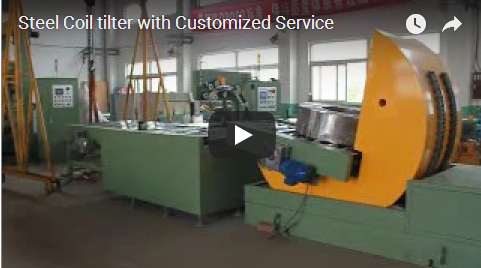
- Варианты обработки рулонов и катушек — Тот же принцип опрокидывания широко используется для поворота стальных или алюминиевых рулонов из горизонтального положения (ориентация «глаз вверх») в горизонтальное (ориентация «глаз вверх») и обратно, именно поэтому в названии этой машины присутствует слово «многоцелевой».
Если вас интересует обработка рулонов, на специальной странице, посвященной опрокидывающим машинам, подробно описано это семейство машин. Если вы хотите увидеть, как опрокидывающая машина вписывается в более крупный производственный процесс, на страницах, посвященных автоматическим упаковочным линиям, показаны процессы поворота, обмотки и транспортировки в комплексе.
Зачем вообще автоматизировать эту работу?
Ручное переворачивание тяжелых или громоздких штабелей — одна из тех рутинных работ, которая незаметно сопряжена с риском: раздробление пальцев, растяжение спины, повреждение продукции и непредсказуемое время цикла. Автоматический механизм переворачивания меняет ситуацию тремя видимыми способами:
- Груз никогда не покидает замкнутую опорную конструкцию. На видео видно, что вся конструкция остается внутри барабана и на опорной балке от начала до конца — никаких строп, никакого подвешивания в воздухе.
- Работа одного человека превращается в работу, требующую нажатия кнопки. (или меньше). На видеозаписи видно полное отсутствие ручного вмешательства во время цикла.
- Постоянная ориентация в каждом цикле. Рама останавливается в фиксированной точке, расположенной на 180 градусов, поэтому нижестоящая станция всегда получает нагрузку одинаковым образом.
Скорость работы этой конкретной машины по сравнению с вашим текущим методом зависит от объема загрузки, планировки помещения и численности персонала — это вопросы, зависящие от конкретного объекта, и мы рекомендуем вам измерить текущее время цикла и сравнить его со спецификацией машины после того, как производитель подтвердит время цикла для вашего профиля загрузки.
Контрольный список проверки покупателя
Прежде чем запрашивать ценовое предложение, ознакомьтесь со следующим списком:
- Максимальная грузоподъемность и габариты для вашей самой тяжелой стопки.
- Фактическое время полного цикла при вашем весе груза.
- Мощность двигателя и напряжение электропитания вашего предприятия.
- Способ управления: подвесной пульт, стационарная панель или интеграция с ПЛК.
- Защита от перегрузки и блокировка реверса
- Меры безопасности: ограждение, световые завесы, аварийная остановка — ни одна из них не видна на видео, поэтому их необходимо уточнить.
- Возможность регулировки платформы для перемещения грузов на разную высоту.
- Подходит ли машина для работы с несколькими семействами продуктов (заявление о «многоцелевом использовании», по вашей терминологии)?
- Гарантийное покрытие распространяется на компоненты привода (редуктор, подшипники, уплотнения).
- Соблюдение правил промышленной безопасности, действующих в вашем регионе.
FAQ
Поворачивает ли машина груз на 180 градусов только в одном направлении? На видео показан один поворот на 180 градусов в перевернутое положение. Возможность поворота в обратном направлении или на промежуточные углы не показана — уточните у производителя.
Какие грузы он может выдерживать? На видео показана свободно сложенная куча листового материала, удерживаемая на центральной опорной балке внутри вращающегося барабана. Тот же принцип наклона барабана используется для рулонов, поддонов и штабелированных грузов, но для вашего конкретного продукта следует уточнить информацию у производителя.
Есть ли панель управления? Ни на одном кадре видео нет панели управления, кнопок или экрана. Конфигурацию управления необходимо уточнить у производителя.
Какие функции безопасности предусмотрены? На видео не видны ограждения, световая завеса, аварийная остановка или предупреждающие надписи. Обращайтесь с машиной так, как показано на видео, и укажите необходимый вам пакет безопасности при обращении — ничего из этого нельзя предположить по видеозаписи.
Нужно ли кому-либо прикасаться к грузу во время поворота? Нет. На видео груз механически удерживается и поддерживается на протяжении всего цикла без какого-либо ручного вмешательства.
Каковы технические характеристики станка? Грузоподъемность, время цикла, мощность двигателя и обозначение модели в видео не показаны. Уточните все характеристики у производителя.
Источник и метод
Данная статья основана на покадровом анализе видео, представленного выше, выполненном с помощью модели машинного зрения на выборке кадров (14 кадров с интервалом в 2 секунды). Видео содержит только фоновую музыку — без закадрового текста или речи — поэтому аудиозапись не использовалась. Все фактические утверждения о машине основаны на том, что видно в этих кадрах; все остальное либо четко обозначено как предположение, либо помечено для подтверждения у производителя.
Связанное чтение
- Катушка вверх — принцип опрокидывания, примененный к стальным и алюминиевым рулонам
- Автоматическая упаковочная линия — как переворачивание, упаковка и передача объединяются в единый поток
- Машина для наматывания на растяжку — обычная станция ниже по течению после переключения нагрузки
- Автоматическая линия упаковки рулонов — Полностью автоматизированная линия, построенная на основе обработки рулонов.
Следующий шаг
Если описанная на видео операция соответствует проблеме, возникающей на вашем предприятии, скорейшее решение — отправить нам габариты груза, его вес и фотографию текущего процесса. Наши инженеры подтвердят пригодность оборудования, время цикла и требования безопасности для вашего объекта. Свяжитесь с нами через страницу контактов , чтобы начать обсуждение.