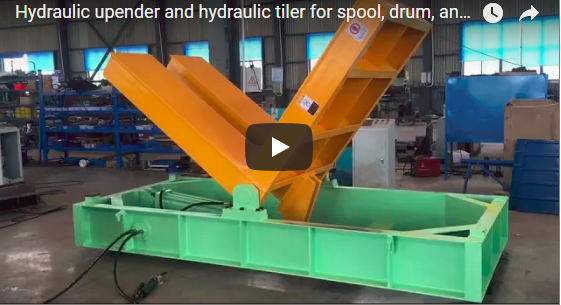
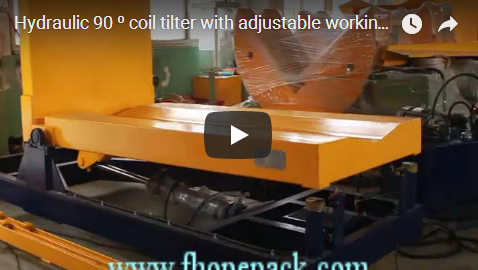
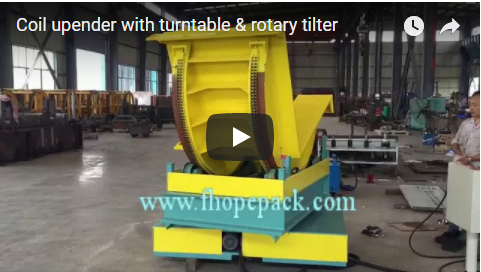
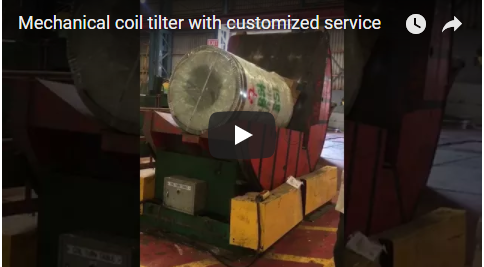
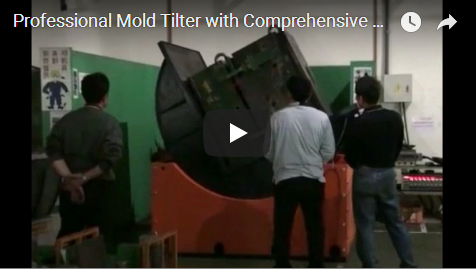
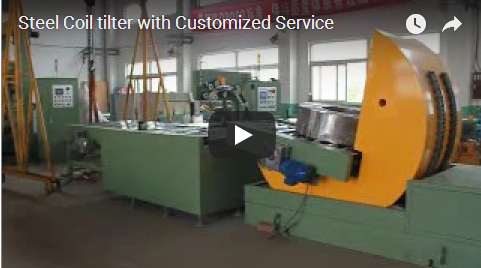
Краткое описание. В этом видео показан желтый дугообразный механизм для наклона и опрокидывания рулонов, вращающий сложенные кольцеобразные рулоны между вертикальным и почти горизонтальным положениями, направляемый роликовым конвейером и управляемый с расположенной на полу панели управления с кнопкой аварийной остановки. Механизм работает за счет собственного наклона рамы — роботизированный захват не виден. Грузоподъемность, время цикла, название модели и технические характеристики привода не показаны, поэтому перед покупкой уточните их у производителя.
Почему эта машина заслуживает пристального внимания
Если вы работаете с тяжелыми кольцеобразными катушками — многослойными сердечниками для двигателей, трансформаторов или аналогичного электрооборудования — вы уже знаете, что самая сложная часть работы заключается не в намотке или укладке, а в безопасном изменении ориентации катушки. Катушку, которая поставляется в вертикальном положении, часто необходимо уложить ровно, прежде чем ее можно будет упаковать, осмотреть или подать на следующую станцию. Делать это вручную с помощью крана и строп — медленно, рискованно и сложно, чтобы выполнять это стабильно.
Именно эту проблему и призван решить данный опрокидыватель и переворачиватель рулонов. Видео на этой странице демонстрирует работу машины от начала до конца: прием сложенных рулонов на роликовом конвейере, их наклон по контролируемой дуге и установка в новом положении для дальнейшей обработки. В этой статье подробно рассматривается, что показано на видео, что не показано, и какие вопросы следует задать, прежде чем выбирать подобную машину для вашей производственной линии.
Работа механизма: пошаговое руководство.
На основе покадрового анализа видеоматериала рабочая последовательность выглядит следующим образом:
- Подача (примерно 0–4 с). Две сложенные друг на друга кольцеобразные катушки находятся на роликовом конвейере у входа в машину. Желтая дугообразная рама стоит в своем исходном вертикальном положении. На данном этапе оператора не видно.
- Начинается наклон (примерно через 6–10 секунд). Рама начинает вращаться в обратном направлении, увлекая за собой заготовку на угол наклона примерно 30°–45°. На протяжении всего этого времени катушки остаются удерживаемыми между конвейером и внутренними опорами рамы.
- Полный наклон (примерно 12–16 с). Рама продолжается примерно на 70–80°, почти до горизонтального положения. Заготовка устойчиво удерживается внутри наклонной рамы. Оператор в рабочей одежде и каске направляется к пульту управления.
- Ручное управление (примерно 18–22 с). Оператор стоит у белого шкафа управления, работая с панелью — одной рукой на красной кнопке, другой на других клавишах. На шкафу установлена трехцветная сигнальная башня (красный/желтый/зеленый, зеленый свет). Рама удерживает заготовку в наклонном положении.
- Обратный ход (примерно 24–28 с). Оператор отступает назад, и рама медленно поворачивается, плавно возвращая заготовку в исходное положение.
- Выгрузка на конвейер (примерно 30–42 с). Во второй половине видео рама снова наклоняется, катушки лежат на деревянном поддоне, а заготовка плавно скользит вниз на роликовый конвейер. Примерно через 40–42 секунды рама возвращается в вертикальное положение, катушки лежат ровно на роликах, осью горизонтально, готовые к следующей станции.
- Проверка оператором (примерно 44–46 с). Оператор в защитной каске ненадолго прикасается к боковой панели рамы — проверяя положение или подготавливая следующий цикл — и затем отходит. Станок находится в состоянии готовности, заготовка отцентрирована относительно входа конвейера.
На протяжении всей последовательности событий бросаются в глаза две вещи. Во-первых, машина меняет ориентацию за счет вращения собственной рамы — здесь нет роботизированной руки, нет пневматического механизма разблокировки зажима, нет отдельного манипулятора. Во-вторых, движение плавное, а положения остановок выглядят постоянными, что предполагает наличие механических ограничений или хорошо настроенной системы торможения (это лишь предположение; сами концевые выключатели не видны).
Заметки о непосредственных наблюдениях
Приведённый ниже фрагмент максимально приближен к исходному визуальному анализу, с минимальными грамматическими исправлениями:
- Машина имеет ярко-желтую окрашенную стальную конструкцию с ребрами жесткости; некоторые внутренние опорные пластины выполнены из серо-белого металла, возможно, с противоскользящим или износостойким покрытием.
- Основные наблюдаемые компоненты: дугообразная основная рама, вращающаяся вокруг нижней оси; встроенные роликовые/направляющие опоры, которые перемещают и направляют заготовку; неподвижное основание (с точками крепления для гидравлических или пневматических цилиндров, хотя видимых исполнительных механизмов нет); и роликовая конвейерная платформа с направляющими пазами спереди.
- Панель управления представляет собой серо-белый шкаф с множеством кнопок (включая красную кнопку аварийной остановки), индикаторными лампами, расположенными вертикально, красного, желтого и зеленого цветов, и, возможно, небольшим дисплеем без читаемых показаний. Сбоку от шкафа свисает красный спиральный шланг, возможно, воздушный или аварийный.
- Заготовки представляют собой большие кольцеобразные ламинированные стержни медного/светло-коричневого цвета, покрытые прозрачной защитной пленкой и закрепленные зеленой лентой; во второй половине они покоятся на деревянном поддоне.
- Диаметр заготовки составляет примерно 80% от внутренней ширины рамы; расположенная друг над другом пара пластин возвышается примерно на половину высоты проема рамы.
- На видеозаписи нигде не видно читаемого текста, табличек с названием, номеров моделей, предупреждающих надписей или водяных знаков. — На кнопках панели отсутствуют разборчивые надписи, а надпись на обмотке катушки слишком размыта, чтобы её прочитать.
- На заднем плане видны сложенные друг на друга похожие катушки, стеллажи, красный свернутый шланг и желтые защитные ограждения рядом с рабочей зоной.
Что показано на видео (с указанием времени)
- Около t≈0–4с Две сложенные друг на друга кольцевые катушки неподвижно лежат на желтом роликовом конвейере у входа в станок, желтая дугообразная рама находится в исходном вертикальном положении, и в кадре нет операторов.
- Около t≈6–10с Рама наклоняется назад/влево и поворачивает катушки примерно на 30–45°, при этом катушки остаются между конвейером и внутренней опорой рамы.
- Около t≈12–16с Рама продолжает наклоняться почти до горизонтального положения (примерно на 70–80°), удерживая катушки в стабильном положении внутри полости рамы; на заднем плане оператор в рабочей одежде и каске направляется к пульту управления.
- Около t≈18–22с Оператор стоит у белого шкафа управления и работает с панелью (левая рука на красной кнопке, другая рука на других элементах управления), в то время как рама сохраняет наклонное положение, а катушки парят в воздухе; на мачте лампы горит зеленый свет.
- Около t≈24–28с Оператор отходит, и рама медленно возвращается в почти вертикальное положение, возвращая катушки в исходное положение.
- Около t≈30–42с Изогнутая рама, находясь в наклонном положении, опрокидывает две высокие стопки кольцевых рулонов (с деревянным поддоном) сверху вниз на нижний роликовый конвейер, а затем возвращается в вертикальное положение, при этом рулоны лежат на ленте перед рамой.
- Около t≈44–46с Оператор в белом шлеме и серо-голубой рабочей одежде возвращается внутрь и ненадолго касается боковой пластины (проверяя/определяя ее местоположение), в то время как катушки располагаются по центру у входа в ленту, готовые к следующему этапу.
Чего не показано в видео
Честное исследование рынка для покупателей подразумевает знание как слабых, так и сильных сторон. Следующие моменты не видны на данном видео, и ни один из них не следует предполагать:
| Не показано | Почему это важно для вас |
|---|---|
| Номинальная грузоподъемность (максимальный вес/диаметр катушки) | Определяет, находится ли ваша самая тяжелая катушка в пределах допустимого диапазона. |
| Время полного цикла | Вы можете увидеть временные параметры этапов, но не полный измеренный цикл от подачи до выхода. |
| Название/обозначение модели | Табличка с названием или какая-либо читаемая маркировка отсутствуют. |
| Технические характеристики приводной системы (гидравлическое давление, мощность двигателя, ход поршня) | Влияет на коммунальные услуги и стоимость электроэнергии при установке. |
| Сертификаты безопасности (маркировка CE, UL, ISO) | На станке ничего не видно. |
| Тип системы управления (ПЛК, язык интерфейса человек-машина, протоколы) | Панель видна, но не имеет подписи; показания на экране неразборчивы. |
| Интервалы технического обслуживания и точки смазки | Ничего не отображается при обслуживании. |
| состав материала катушки | Похоже на ламинированную электротехническую сталь, но подтвердить это по видеозаписи невозможно. |
Каждый из этих пунктов следует проверять у производителя.
Где место подобной машине?
Судя по видеозаписи, этот тип опрокидывателя подходит для:
- Производство электродвигателей и трансформаторовгде многослойные пластины статора/ротора или намотанные сердечники должны переворачиваться из вертикального положения в горизонтальное (или обратно) между этапами процесса.
- Изменения ориентации в конце сборочной линиигде рулоны поступают в вертикальном положении на поддонах и должны быть уложены горизонтально для упаковки или отправки на следующую станцию.
- Мастерские, заменяющие переворачивание грузов с помощью крана и стропа.где видимая выгода заключается в снижении риска, связанного с ручной обработкой грузов, и повышении повторяемости каждого переворота.
Поскольку показанный станок использует наклон рамы, силу тяжести и направляющие ролики — без сложных механизмов захвата — его механизм прост, что в целом указывает на простоту технического обслуживания. Тем не менее, он, по-видимому, предназначен для обработки заготовок кольцеобразной формы определенного размера : гораздо большая катушка может заклинить, а гораздо меньшая — сместиться, поэтому соответствие размеров имеет значение.
Меры предосторожности и замечания по технике безопасности
Эти заметки основаны на том, что видно и не видно в видео:
- A красная кнопка аварийной остановки Она находится на панели управления, и во время показа видно, как оператор нажимает на нее.
- A трехцветная сигнальная башня (Зеленый индикатор загорается во время работы) позволяет быстро оценить состояние устройства.
- Желтые ограждения На заднем плане видны световые завесы, но никаких световых занавесок, запертых ворот или ограждения по всему периметру не видно.
- На станке отсутствуют какие-либо читаемые предупреждающие надписи или знаки.
Практические рекомендации для вашей команды: держите руки подальше от зоны качания рамы во время наклона; подходите к заготовке только после того, как рама полностью остановится; держите кнопку аварийной остановки в пределах легкой досягаемости; и рассмотрите возможность обращения к производителю по поводу добавления световых завес или блокировок дверей, если это требуется в вашей оценке безопасности.
Контрольный список проверки перед покупкой
Прежде чем принять решение о приобретении подобного оборудования, задайте поставщику следующие вопросы:
- Какова номинальная грузоподъемность, и какие диаметры/высоты рулонов может выдержать рама?
- Можно ли адаптировать подокон или опорные рычаги под катушки разных размеров?
- Предусмотрены ли какие-либо демпфирующие или амортизирующие элементы на обратном ходе для защиты катушек от ударов?
- Имеют ли контактные поверхности противоскользящее или мягкое покрытие, предотвращающее царапание ламинированных поверхностей или пленочной упаковки?
- Какая система привода используется (гидравлическая/электрическая) и какие коммуникации она потребляет?
- Какие варианты обеспечения безопасности доступны — световые завесы, ограждение по периметру, дополнительные аварийные остановки?
- Каково измеренное время полного цикла при весе моей катушки?
- Какие услуги послепродажного обслуживания, поддержка запасными частями и гарантия предоставляются?
FAQ
Требуется ли оператор для работы на станке, или он полностью автоматизирован? На видео показано, как оператор за пультом управления запускает и подтверждает этапы. Автоматическая загрузка или выгрузка не видны — заготовка поступает на роликовый конвейер и уходит тем же путем, но управление осуществляется человеком. Уточните доступные уровни автоматизации у производителя.
Как удерживается катушка во время наклона? Катушка опирается на внутренние опоры и направляющие ролики рамы, удерживаемые между конвейером и люлькой по мере вращения рамы. Роботизированный захват или механизм зажима не видны. Для катушек необычной формы или распределения веса уточняйте, как адаптирована люлька.
Не поцарапает ли это мои катушки и не повредит ли их? На видео катушки покрыты защитной пленкой и зеленой лентой, и они плавно скользят по роликам. Наличие специальной прокладки или противоскользящего покрытия на контактных поверхностях не видно — уточните у производителя, особенно если вы работаете с непокрытыми ламинированными пластинами.
Какова скорость одного цикла? В видеоролике показаны только временные параметры этапов, а не полный измеренный цикл от подачи до разрядки. Запросите данные о времени цикла для вашего конкретного веса и размера катушки.
Какое защитное ограждение входит в комплект? Видны красная кнопка аварийной остановки, сигнальная башня и ограждения на заднем плане. Световая завеса или блокировочное ограждение отсутствуют. Уточните, какая конфигурация ограждений может быть предоставлена в соответствии с местными требованиями безопасности.
Может ли он работать с катушками, отличными от кольцеобразных электрических сердечников? На видео показаны только большие кольцеобразные сердечники, сложенные на поддоне. Другие типы катушек (стальные катушки, кабельные катушки, медные катушки) обычно используются в переворачивающих станках, но пригодность для вашего конкретного продукта следует уточнить у производителя.
Источник и метод
Данная статья основана на демонстрационном видеоролике, размещенном выше. Видеоматериал был проанализирован покадрово с помощью модели компьютерного зрения на основе выборок кадров; видео содержит только фоновую музыку — без закадрового текста или речи — поэтому расшифровка текста не использовалась. Все фактические описания основаны на том, что видно на видео; все, что не видно, либо опущено, либо явно помечено как требующее подтверждения от производителя.
Связанное чтение
- Станки для огибания рулонов — обзор продукции
- Автоматические линии для упаковки рулонов
- Решения для линий упаковки медных рулонов
- Машина для обмотки рулонов стали
- Кабельная упаковочная машина
Следующий шаг
Если этот опрокидыватель/подъемник подходит для вашей линии по обработке рулонов — или вы хотите проверить, соответствуют ли размеры и вес ваших рулонов допустимым параметрам — свяжитесь с командой FHOPE , предоставив технические характеристики ваших рулонов. Укажите максимальный вес рулона, внешний диаметр и способ доставки рулона на вашу линию, и вы получите ответ о конфигурации и времени цикла, а не предположение.