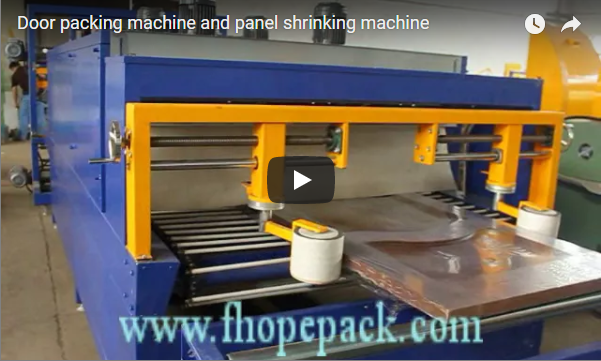
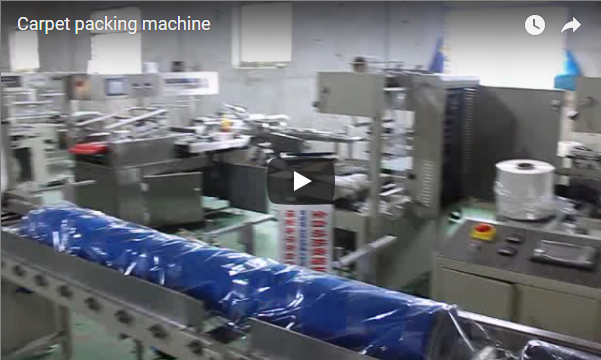
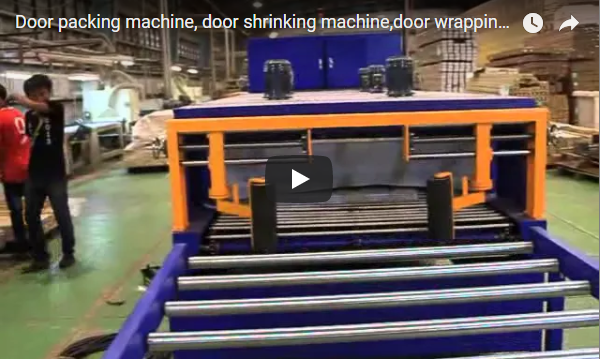
Краткое описание. В этом видео показана автоматизированная линия, которая обматывает панели из пенополистирола (EPS) полиэтиленовой пленкой, запечатывает пленку и плотно усаживает ее с помощью горячего воздуха от тепловых вентиляторов. Обмотанные панели выходят с гладкой, плотно прилегающей поверхностью пленки, и процесс проходит без какого-либо вмешательства оператора между загрузкой и выпуском. Ключевые детали, приведенные ниже, взяты непосредственно из видеоматериала; показатели производительности и настройки температуры не показаны и должны быть уточнены у производителя.
Почему упаковка из пенополистирольных панелей представляет собой реальную проблему
Панели из вспененного полистирола (EPS) легкие, хрупкие и легко царапаются. При неплотном складировании или ручной упаковке они подвергаются воздействию пыли, влаги и повреждениям по краям во время транспортировки. Видео на этой странице напрямую решает эту проблему: в нем показана линия, которая берет стопки бледно-желтых панелей EPS, покрывает их полиэтиленовой пленкой, запечатывает пленку, а затем пропускает упакованную стопку через станцию термоусадки, где горячий воздух плотно прижимает пленку к изделию.
Если вы оцениваете упаковочное оборудование для пенополистирольных плит — будь то для строительных изоляционных панелей, защитных упаковочных вставок или аналогичных пенопластовых изделий — эта статья подробно расскажет вам, что именно показано на видео, чего в нем нет и что следует проверить, прежде чем принимать решение.
Что показано на видео: работа машины, шаг за шагом.
Видеозапись охватывает примерно три минуты и сорок секунд непрерывной работы, с интервалом в шесть секунд. На ней показано движение продукта по производственной линии:
-
Загрузка (t≈0–6 с). В начале конвейера находится стопка из примерно 8–10 светло-желтых панелей EPS. Линия запускается, и стопка перемещается вправо, к зоне зажима.
-
Позиционирование и фиксация (t≈6–24 с). Пакет панелей входит в пространство между двумя вертикальными металлическими направляющими пластинами с обеих сторон. Пластины закрываются и удерживают пакет в неподвижном положении. Сверху виден белый теплозащитный кожух, ожидающий своей очереди.
-
Покрытие и герметизация пленкой (t≈24–36 с). Пластиковая пленка натягивается на стопку панелей. Нагревательный кожух над стопкой воздействует на отверстие для пленки, и пленка начинает размягчаться и прилипать к краям панелей. Оранжевый компонент снизу — вероятно, натяжной или позиционирующий рычаг — перемещается синхронно с процессом.
-
Термоусадка (t≈48–60 с). Упакованная стопка, все еще неплотно прилегающая и мятая, перемещается на отдельную станцию термоусадки. Горячий воздух из расположенных сверху и сбоку сопел обдува воздействует на пленку сверху и с обеих сторон. Пленка постепенно натягивается и принимает форму изделия. Дыма и пламени не видно.
-
Выход (t≈60–84 с). Готовая упаковка выходит из зоны усадки, выглядя заметно более плотной и гладкой, чем раньше. Она движется по конвейеру и заканчивается на наклонном участке или в зоне сбора, где четко видна окончательная форма: пленка плотно прилегает к поверхности EPS без видимых зазоров.
-
Автоматический цикл (с ≈90 секунд). Далее в видеоролике новые стопки панелей поступают в зону усадки, в то время как готовое изделие ожидает на выходной платформе. Показано, как несколько панелей последовательно перемещаются по линии с постоянным интервалом. После загрузки ни один оператор не прикасается к изделию.
На заключительном общем плане (t≈228 с) показана вся компоновка: слева — зона подачи, посередине — модуль герметизации и термоусадки, огороженный желтым защитным ограждением, а справа — выходной конвейер — линейная, полностью непрерывная автоматическая линия.
Заметки о непосредственных наблюдениях
Следующие моменты максимально приближены к визуальному стилю видеоматериала, с минимальной грамматической корректировкой:
- В начале конвейера лежит стопка светло-желтых панелей из пенополистирола (примерно 8–10 штук); на заднем плане видно оборудование мастерской, например, сверлильный станок.
- Две вертикальные металлические пластины зажимают стопку с обеих сторон; оранжевый компонент, возможно, натяжной или позиционирующий рычаг, перемещается под стопкой.
- Над панелями висит белый термоизоляционный кожух воронкообразной формы; цилиндрические сопла горячего воздуха с фланцевыми фитингами установлены горизонтально по обеим сторонам зоны усадки.
- После нагревания поверхность пленки меняется с рыхлой и провисшей на плотную, при этом в процессе усадки образуются плотные складки, а затем она становится гладкой. Общий видимый размер упаковки уменьшается примерно на 10–15%.
- Конвейер представляет собой комбинацию плоских ленточных и роликовых секций шириной примерно 400–500 мм, приводимых в движение редукторным двигателем, установленным снизу.
- Слева внутри ограждения находится блок управления, на котором расположены красная кнопка аварийной остановки в форме гриба на желтом основании и желтая кнопка запуска; экран, дисплей и регуляторы не видны.
- Вся рабочая зона огорожена защитным забором из желтой металлической сетки с механической защелкой на воротах.
- На видеозаписи нигде не видно читаемого текста, табличек с названиями, логотипов, предупреждающих надписей или водяных знаков.
- После загрузки оператор не вмешивается ни на одном этапе; система работает в непрерывном автоматическом цикле.
Чего не показано в видео
Для честной оценки необходимо знать ограничения видеоматериала. Видео не показывает:
- показатели вместимости — количество деталей в час, время цикла на один комплект панелей или значения скорости конвейера.
- Параметры процесса — настройки температуры горячего воздуха, объем воздуха, продолжительность нагрева или характеристики материала пленки.
- Технические характеристики машины — номер модели, номинальная мощность, напряжение, габариты или максимальные/минимальные размеры панели.
- Сертификационные знаки — Отсутствуют какие-либо сертификационные знаки CE, UL или другие.
- Детали системы управления — Отсутствует экран HMI, интерфейс ПЛК и возможность удаленного мониторинга.
- Информация о техническом обслуживании — точки обслуживания, расходные материалы или интервалы технического обслуживания.
- поведение блокировки двери — Ворота забора ни разу не открывались на видео, поэтому наличие электрической блокировки на видео подтвердить невозможно.
Любые из этих моментов следует рассматривать как требующие уточнения у производителя, а не как предположения, основанные на данном видеоматериале.
Структура линии вкратце
| Компонент | Что видно | Очевидная функция |
|---|---|---|
| Конвейерная система | Плоские ленточные и роликовые секции, боковые направляющие рельсы | Переносит блоки панелей по линии в одном направлении. |
| Боковые зажимные пластины | Толстые регулируемые стальные пластины с обеих сторон. | Удерживайте стопку панелей в нужном положении для герметизации. |
| Тепловой колпак (верхний) | Белый воронкообразный кожух над рабочей зоной | Направляет горячий воздух на отверстие в пленке для герметизации. |
| Боковые вентиляторы обогрева | Цилиндрические форсунки с обеих сторон с выходными отверстиями в форме рога. | Равномерно обтяните термоусадочной пленкой края изделия. |
| Оранжевый элемент позиционирования/натяжения | Слайды с регулировочными ручками расположены под стопкой. | Вероятно, дело в натяжении пленки или в опоре для позиционирования. |
| Защитное ограждение | Желтая металлическая сетчатая ограда с защелкивающейся дверцей. | Изолирует зону горячей обработки |
| Блок управления | Красная кнопка аварийной остановки, желтая кнопка запуска, индикаторные лампы. | Основные функции запуска/остановки и аварийного управления. |
Где проходит эта грань?
Исходя из характеристик продукта и процесса, показанных на видео, этот тип линии для герметизации и усадки подходит для:
- Строительные теплоизоляционные плиты — Панели из пенополистирола (EPS), которые необходимо защитить от влаги и пыли перед доставкой на объекты.
- Амортизирующие упаковочные материалы — Поролоновые блоки и вставки, которые должны оставаться чистыми и неповрежденными во время транспортировки.
- Линии по упаковке бытовой техники и мебели — везде, где необходимо плотно и аккуратно обернуть пленкой громоздкие пенопластовые компоненты.
Очевидные преимущества носят скорее практический, чем кардинальный характер: герметичный пленочный слой, придающий жесткость хрупкому изделию, стабильное качество упаковки независимо от квалификации оператора и сокращение ручной обработки легких, но громоздких предметов. Поскольку линия непрерывная, производительность в основном зависит от скорости конвейера и времени выдержки при нагреве — двух параметров, которые следует запросить у производителя для размеров ваших панелей.
Что нужно уточнить у производителя?
Перед оформлением заказа рекомендуем уточнить следующую информацию:
- Есть ли возможность регулировки температуры горячего воздуха и времени выдержки, а также наличие многозонного регулирования температуры для предотвращения локального перегрева.
- Есть ли у ворот ограждения электрическая блокировка, которая останавливает машину при открытии?
- Минимальные и максимальные размеры панелей, которые может принимать станок, а также необходимость смены оснастки для разных размеров.
- Возможность регулировки скорости конвейера для соответствия различной толщине панелей.
- Фактическая производительность для вашего конкретного продукта, измеренная с использованием ваших панелей и пленки.
- Документация по техническому обслуживанию, наличие запасных частей и время реагирования послепродажного обслуживания.
FAQ
Обрабатывает ли машина более одной панели за раз? Да. На видео показано, как стопка из примерно 8–10 панелей зажимается и упаковывается вместе на этапе герметизации, а затем показано, как отдельные упакованные панели последовательно перемещаются через зону усадки.
Принимает ли оператор участие в процессе? После первоначальной загрузки оператор не появляется на видео. Зажим, покрытие пленкой, герметизация, термоусадка и вывод продукции происходят автоматически.
Можно ли увидеть настройки температуры или скорости на видео? Нет. Ни на одном этапе не отображается экран управления, показания или параметры. Любые рабочие параметры необходимо уточнять у производителя.
Пленка сжимается со всех сторон? На видео показано, как горячий воздух поступает сверху (через нагревательный колпак) и с обеих сторон (через горизонтальные сопла вентилятора), обеспечивая равномерное и плотное прилегание без видимых зазоров на готовых упаковках.
Видны ли какие-либо элементы безопасности? Да: желтое сетчатое ограждение по всему периметру рабочей зоны и красная кнопка аварийной остановки в виде грибовидной головки рядом с приводным двигателем. Наличие электрической блокировки ворот по видео не подтверждено — уточните у производителя.
Источник и метод
Данная статья основана исключительно на видеоролике, размещенном выше. Видеоматериал был проанализирован покадрово с использованием модели компьютерного зрения на основе выборок кадров; видео содержит только фоновую музыку, без закадрового текста или речи, поэтому аудиозапись не использовалась. Замечания в разделе «Примечания к непосредственным наблюдениям» отражают то, что видно в кадрах; оценочные утверждения в других разделах представляют собой обоснованные выводы или отмечены как требующие проверки у производителя. Никакие технические характеристики, цены или заявления третьих лиц о бренде не были добавлены извне видеоматериала.
Связанное чтение
- Термоусадочная машина
- Решения для термоусадочной упаковки
- машина для упаковки панелей
- Автоматическая упаковочная линия
- Автоматическая линия упаковки рулонов
Следующий шаг
Если вы занимаетесь упаковкой панелей из пенополистирола (EPS) или аналогичных пенополистироловых изделий и хотите узнать, как линия герметизации и термоусадки подойдет для ваших размеров панелей и целевых показателей производительности, свяжитесь с командой FHOPE , указав размеры вашей продукции и требуемую мощность. Мы сможем подтвердить параметры, которые не показаны в видео — производительность, контроль температуры и варианты компоновки вашего предприятия.