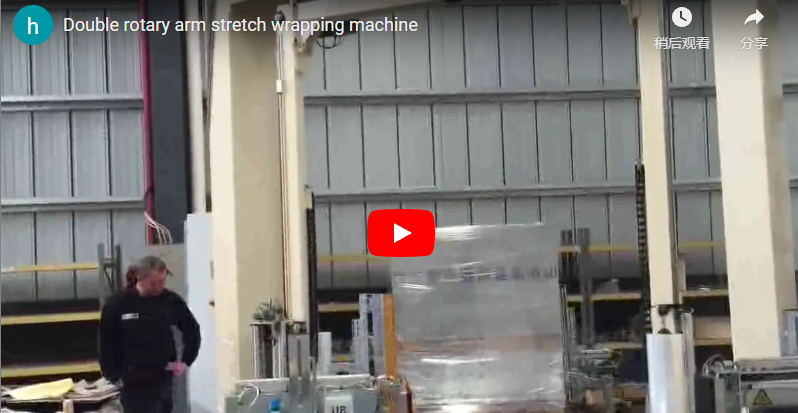
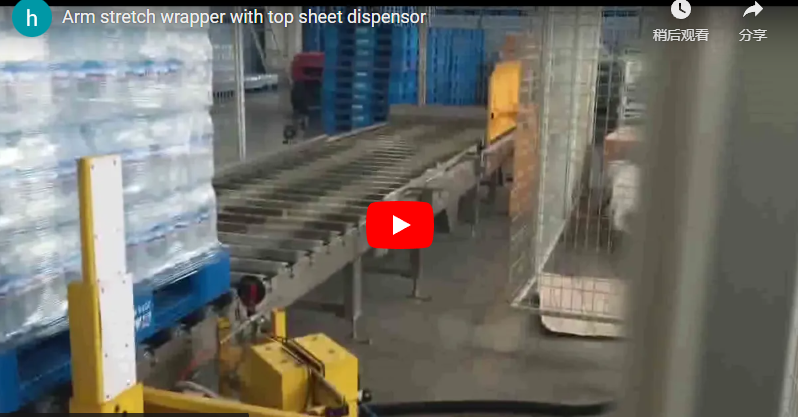
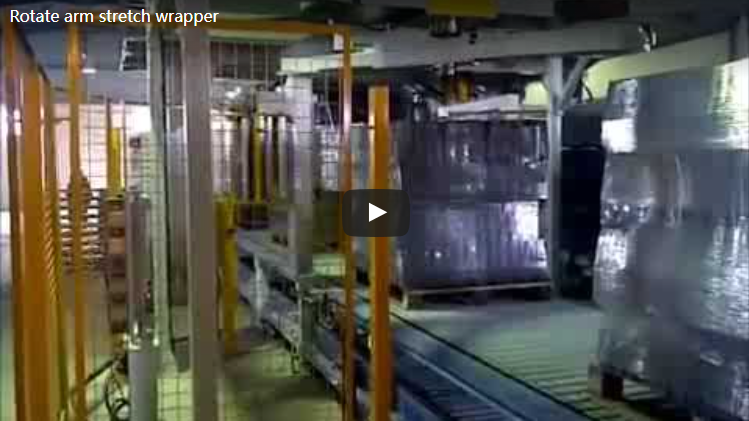
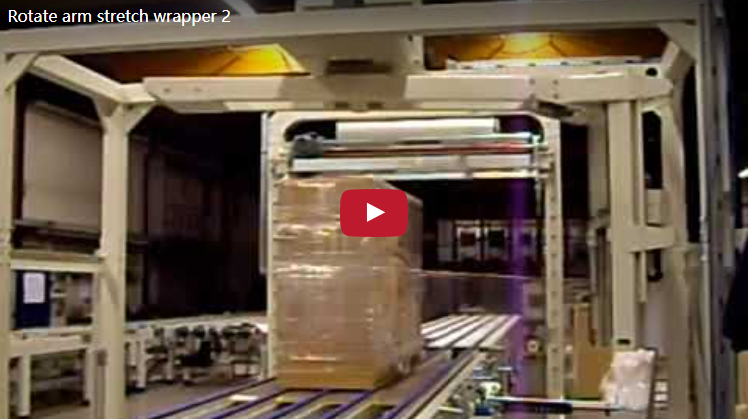
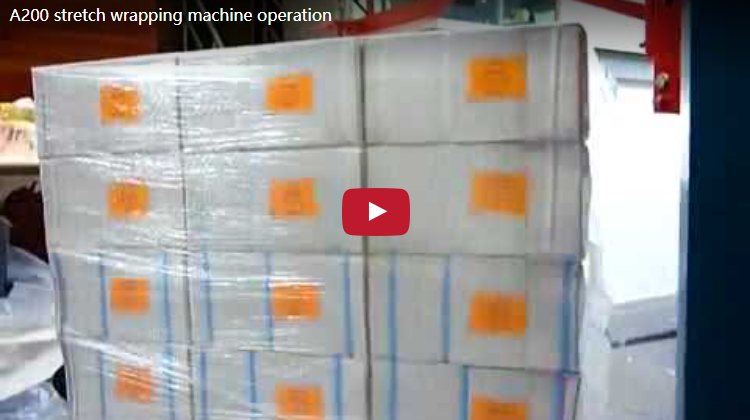
Краткое описание. В этом видео показана работающая на поворотном конвейере стретч-пленки машина для обмотки пленкой полного цикла на высоком поддоне: пленка наносится сверху вниз во время вращения груза, затем пленка обрезается, и каретка поднимается. Видеоролик подтверждает основные части машины — поворотный стол, каретку для пленки, роликовый конвейер и стационарную панель управления — но не показывает номинальную грузоподъемность, время цикла, модель или сертификаты. Перед заказом уточните эти данные у производителя.
Если вы оцениваете стретч -пленкообмотчик с поворотным столом для поддонов , самый быстрый способ сделать это — посмотреть полный цикл работы. Именно это и предлагает вам данное видео. Вместо перечисления технических характеристик, которые вы не можете проверить, в этой статье подробно рассматривается, что на самом деле показано на видео, чего нет и что следует уточнить у производителя перед покупкой. Все замечания взяты непосредственно из видео; все, что отмечено как оценка, четко обозначено как производная оценка.
Что показано на видео
Видео длится чуть больше минуты и показывает процесс упаковки одной высокой прямоугольной паллеты:
- 0–4 секунд. В центре машины на синем роликовом конвейере лежит большой прямоугольный поддон с грузом. Рядом стоят два рабочих, наблюдающих за процессом. Машина запускается, груз начинает вращаться, а верхняя каретка для пленки начинает движение.
- 4–12 секунд. Груз плавно поворачивается по мере нанесения стрейч-пленки сверху вниз. Боковые стороны груза постепенно покрываются пленкой. Слева проходит рабочий в синей блузке; справа наблюдает другой рабочий.
- 12–20 секунд. Обмотка продолжается по верхнему и нижнему краям груза. Контуры груза полностью покрываются пленкой. Рабочий наблюдает за оборудованием с правой стороны.
- 20–28 секунд. Обмотка близится к завершению. Пленка покрывает груз плотно и равномерно, форма груза четко видна под ней. Скорость вращения, по-видимому, незначительно меняется, в то время как процесс обмотки остается стабильным.
- 28–36 секунд. Цикл переходит в завершающую стадию. Наносится пленка для герметизации верхней и нижней частей. Рабочий управляет панелью управления, расположенной с правой стороны станка.
- Примерно через 16–20 секунд после начала второй половины видеозаписи. Верхняя часть конструкции выполняет завершающую операцию — пленка натягивается и обрезается — после чего каретка поднимается. Примерно через 20 секунд упаковка завершена, груз полностью покрыт, и машина готова к следующему циклу.
Сам процесс обмотки плавный и равномерный: груз вращается с постоянной скоростью, подача пленки соответствует вращению, и обмотка наносится равномерными слоями. В самом конце видеоролика показан короткий статичный кадр обмотанного груза, лежащего на конвейере, с желтым металлическим защитным ограждением вдоль левой стороны конвейерной линии и оператором, стоящим у панели управления.
Конструкция машины: что вы можете увидеть.
На видеозаписи четко видна компоновка машины. Все нижеизложенное является видимыми фактами, а не предположениями:
| Компонент | Что показано на видео | Функция |
|---|---|---|
| поворотный круг | В центре машины расположена синяя вращающаяся платформа, на которой размещается груз. | Поворачивает паллет с грузом так, чтобы пленка равномерно обматывала все четыре стороны. |
| Каретка для пленки / мачта для каретки | Вертикальная синяя колонна с устройством подачи пленки и кареткой для натяжения пленки, которая перемещается вверх и вниз. | Подает и растягивает пленку сверху вниз, от верхней части груза. |
| Роликовый конвейер | Перед станком движется синий роликовый конвейер, выровненный по отношению к поворотному столу. | Перемещает паллет с грузом в зону упаковки и из нее. |
| Панель управления | С правой стороны расположен напольный блок управления с кнопками и индикаторными лампочками (красный, зеленый, желтый цвета видны в закрывающих рамках); экран четко не виден. | Позволяет оператору запускать, контролировать и завершать цикл, не вставая с места. |
| Рама машины | Стальная конструкция, окрашенная в синий цвет | Поддерживает колонну, каретку и поворотный стол. |
| Защитное ограждение | Вдоль левой стороны конвейерной зоны расположен желтый металлический забор (виден на заключительных статичных кадрах). | Отделяет рабочую зону от пешеходных дорожек. |
Общая компоновка компактна и линейна: конвейерная подача, поворотный стол посередине, панель управления на рабочем месте оператора справа. Это классическая компоновка конвейерной упаковочной машины с поворотным столом, которая может быть установлена внутри существующей производственной или упаковочной линии.
Цикл упаковки, шаг за шагом.
- Загрузка. Груз на поддоне перемещается на поворотный стол. На видео видно, как высокая прямоугольная стопка — вероятно, доски, коробки или аналогичные товары — поступает на роликовый конвейер.
- Зажмите и запустите. Груз располагается по центру поворотного стола; каретка для пленки находится в верхней части груза. Машина запускается, и начинается вращение.
- Оберните вниз. По мере вращения поворотного стола каретка подает стретч-пленку вниз, формируя перекрывающиеся слои. Пленка покрывает боковые стороны, затем верхний и нижний края запаиваются.
- Стрижка и отделка. Пленка натягивается и обрезается. Каретка поднимается обратно.
- Погрузка. Упакованный груз готов к выгрузке или дальнейшей транспортировке. Видео заканчивается до того, как полностью показан процесс разгрузки, поэтому точный процесс отгрузки показан на видео. проконсультируйтесь с производителем.
Важное замечание для покупателей: груз на этом видео высокий и узкий по сравнению с его габаритами — такая стопка была бы опасна для перемещения без упаковки. Именно такая стрейч-пленка стабилизирует подобные грузы перед их перемещением по складу или погрузкой в грузовик.
Заметки о непосредственных наблюдениях
Приведённый ниже фрагмент максимально приближен к исходному покадровому анализу, с лишь грамматическими правками, что позволяет точно проверить, что именно подтверждает видеоматериал:
- В центре вертикальной упаковочной машины на синий роликовый конвейер помещается большой прямоугольный поддон с грузом; двое рабочих наблюдают слева; машина запускается, и груз начинает вращаться.
- Стретч-пленка подается сверху и наматывается вниз слоями; скорость вращения и подача пленки синхронизированы; затем покрываются боковые стороны, верхняя и нижняя части груза.
- Работник справа управляет оборудованием или следит за его работой; в какой-то момент один из работников, кажется, отвечает на телефонный звонок, пока машина работает.
- Верхняя часть конструкции выполняет завершающую операцию: пленка натягивается и обрезается; каретка поднимается; упакованный груз полностью фиксируется, и машина переходит в режим ожидания, готовая к следующей операции.
- Корпус аппарата изготовлен из металла, окрашенного в синий цвет. Основные части: поворотный стол, вертикальная колонна с кареткой для пленки, роликовый конвейер и блок управления с кнопками и индикаторными лампами (красная, зеленая, желтая видны на более поздних кадрах; экран четко не различим).
- В заключительных статических кадрах: упакованный груз лежит на конвейере; слева от конвейера стоит желтый металлический защитный забор; справа от него стоит оператор у оранжевой панели управления. На видеозаписи не видно никакого читаемого текста, табличек с названием или водяных знаков.
- Ни в одном кадре не отображаются: номинальная грузоподъемность, габариты машины, название модели, мощность двигателя, тип системы управления, характеристики пленки, время полного цикла или знаки сертификации безопасности (CE, ISO или аналогичные).
Чего не показано в видео
В отзывах честных покупателей недостатки должны быть четко указаны. На видео не показано:
- Номинальная мощность — Максимальный вес груза и максимальный размер поддона никогда не указываются.
- Время цикла — Полное время от подачи до выгрузки измерить невозможно, поскольку обработка исходящего сырья прекращена.
- Глубина автоматизации — Не продемонстрировано, определяет ли машина автоматически высоту груза, регулирует ли параметры обмотки или поддерживает ли несколько программ обмотки.
- Подробности фильма — Тип пленки, ширина, толщина и коэффициент предварительного растяжения не указаны.
- Подробности интерфейса управления — Надписи на кнопках и любое содержимое экрана нечитаемы.
- Защитные конструкции за ограждением — В рамах отсутствуют видимые кнопки аварийной остановки, световая завеса, блокировка или предупреждающие знаки (некоторые из них могут присутствовать, но просто не показаны — уточните у производителя).
- Сертификаты и документация — Отсутствуют маркировки CE/ISO, инструкции или таблички с описанием модели.
- Требования к питанию — Напряжение, частота и потребляемая мощность не указаны.
Все эти пробелы не означают, что машина их не имеет; они просто означают, что это видео не может служить вам доказательством. Запросите их напрямую.
Кому подходит эта машина?
Судя по тому, что видно — поворотный стол с конвейерной подачей и высоким вертикальным грузом, который обматывается, — этот тип машины вполне подходит для:
| Сценарий | Соответствовать | Почему |
|---|---|---|
| Складские и логистические центры упаковывают смешанные паллеты перед отправкой. | Вероятно, подходит | Интеграция конвейера позволяет осуществлять упаковку в линию без перестановки погрузчика. |
| Производственные линии, укладывающие доски, коробки или аналогичные прямоугольные изделия. | Вероятно, подходит | Видеоролик наглядно демонстрирует именно такой профиль нагрузки. |
| Операции, требующие защиты от пыли и влаги, а также стабилизации груза. | Вероятно, подходит | Многослойная пленочная обмотка надежно скрепляет стопку. |
| Очень нестандартные или чрезвычайно тяжелые грузы, выходящие за рамки стандартных профилей поддонов. | Неопределенный | Не показано — уточните предельные нагрузки у производителя. |
| Предприятиям, нуждающимся в полностью автоматизированной упаковке с автоматической резкой пленки на движущихся грузах. | Неопределенный | Уровень автоматизации не указан — уточните у производителя. |
Что нужно уточнить у производителя?
Прежде чем запрашивать ценовое предложение, запишите следующие вопросы:
- В чём максимальный вес груза и размер поддона Эта модель поддерживает?
- В чём полное время циклаПодача на разгрузку?
- Машина автоматическое определение высоты груза и регулировать схему обертывания, или это устанавливается оператором?
- Который типы и толщина пленки Они поддерживаются, и какое предварительное растяжение обеспечивает каретка?
- Что функции безопасности Включены ли в комплектацию аварийные выключатели, световые завесы, блокировки — устройства, расположенные за ограждением по периметру, показанным на видео?
- Что сертификаты Имеет ли данное устройство сертификат CE или другие сертификаты, актуальные для вашего рынка?
FAQ
Как работает поворотный стретч-пленочный упаковочный станок? Груз на поддоне находится на вращающейся платформе. По мере вращения поворотного стола, каретка для пленки перемещается вверх или вниз по грузу, наматывая стретч-пленку в перекрывающиеся слои, чтобы скрепить товары и защитить их от пыли и влаги. Это видео демонстрирует всю последовательность действий от начала до конца.
Работает ли эта машина автоматически? На видео показан цикл, который запускается и выполняется с минимальным вмешательством оператора — рабочие стоят и наблюдают, пока завершается упаковка и пленка автоматически обрезается. Полный объем автоматизации (автоматическая подгонка размера, память программ, передача данных с конвейера) не демонстрируется, поэтому уточните у производителя.
Какие виды продукции можно упаковывать с помощью этой машины? На видео показана высокая прямоугольная стопка, вероятно, досок или картонных коробок. Машины такого типа обычно используются для упаковки товаров на поддонах на складах, в логистике и на производстве, но видео не демонстрирует грузы других форм и размеров — уточните характеристики вашего груза у производителя.
Безопасно ли находиться рядом с работающим станком? Стандартная практика предполагает соблюдение дистанции от вращающегося поворотного стола во время работы. На видео показан желтый защитный забор вдоль конвейерной зоны, что является хорошим признаком, но в рамах не видно ни аварийной остановки, ни световой завесы — уточните у производителя, какое защитное оборудование входит в стандартную комплектацию.
Можно ли подключить его к моей существующей конвейерной линии? На видео показана упаковочная машина, интегрированная с роликовым конвейером, подающим грузы, что говорит о том, что использование в линии является нормой для данной конфигурации. Необходимо уточнить у производителя соответствие высоты роликов, передачу груза и скорость линии.
Как узнать цены и сроки поставки? Свяжитесь с производителем по ссылке ниже, указав габариты груза, вес и требуемую производительность, и запросите технические характеристики, которые не могут быть подтверждены в видеоролике — грузоподъемность, время цикла, опции и условия доставки.
Техническое обслуживание и ежедневные проверки
В видеоролике не рассматривается вопрос технического обслуживания, поэтому этот раздел представляет собой общие рекомендации для владельцев проигрывателей виниловых пластинок данной конфигурации — рассматривайте его как начальный контрольный список и уточняйте периодичность работ у производителя:
- Следите за тем, чтобы в зоне поворотного стола не было обрывков пленки и мусора, который может заблокировать вращение.
- Регулярно проверяйте ролики каретки пленки и зажим пленки; изношенные ролики вызывают неравномерное натяжение пленки, как, например, ровная и гладкая пленка, которую вы видите на этом видео.
- Проверьте ролики конвейера на наличие скопившихся фрагментов пленки между загрузками.
- Перед каждой сменой убедитесь, что секции ограждения и все предохранительные устройства находятся на своих местах.
- Проверьте индикаторы на панели управления при запуске; красные, зеленые и желтые индикаторы, видимые на видеозаписи, являются первым сигналом о состоянии машины.
Связанное чтение
- Обзор машины для стретч-пленки
- Полуавтоматическая машина для упаковки паллет
- Автоматическая машина для упаковки поддонов
- Автоматическая горизонтальная упаковочная машина
Следующий шаг
Если эта конфигурация поворотного стола соответствует вашим грузам, следующим шагом будет обсуждение конкретных цифр. Отправьте нам размер вашей паллеты, вес груза и суточный объем через нашу страницу контактов , и мы подтвердим параметры, которые остаются открытыми в этом видео — вместимость, время цикла, опции и цены.
Источник и метод
Данная статья полностью основана на встроенном видео работающего оборудования. Видеоматериал анализировался покадрово с использованием модели локального зрения; видео содержит только фоновую музыку, без закадрового текста или речи, поэтому аудиозапись не использовалась. Все приведенные выше наблюдения основаны на выборках кадров; утверждения, не наблюдаемые в видеоматериале, явно отмечены, а несоответствия техническим характеристикам указаны для подтверждения у производителя.
Опубликовано: 2026-09-03