Streszczenie
Flat doors and panels get a transit-ready, heat-shrunk package without hand wrapping. This door and panel sealing and shrinking machine encloses the item in shrink film and passes it through a heated tunnel that pulls the film tight against the surface. This guide covers the two-step process, the sealer types and the flat-panel scope. Panel sizes and film are confirmed per project.
Spis treści
- Co robi maszyna
- Why a sealer, not a stretch wrapper
- Seal and shrink in two steps
- L-bar or side sealer
- Setting the tunnel
- The flat panel scope
- Typowa konfiguracja
- Co pokazuje wideo
- Lista kontrolna wyboru
- Sterowanie i bezpieczeństwo
- Często zadawane pytania dotyczące inżynierii
- Następny krok
- Powiązane czytanie
- Źródła i standardy
Co robi maszyna
This machine secures doors and flat panels for shipping with controlled heat-shrink film. The item is first enclosed in polyolefin or polyethylene film, then passed through a heated tunnel where airflow shrinks the film tight against the surface. The result is a durable, transit-ready package that protects the panel from freight damage and keeps its surface clean from the warehouse to the site.
Why a sealer, not a stretch wrapper
A standard stretch wrapper is built for palletized loads, and it cannot hold loose flat panels securely without custom fixturing. Doors and panels are flat and long, a shape that slips out of a conventional wrap. A sealing and shrinking machine is built around that flat geometry, which is why buyers with panel lines use it instead of adapting a wrapper built for pallets.
Seal and shrink in two steps
The equipment runs two sequential operations. First, a sealing mechanism dispenses and encloses the film around the item. Second, a heated tunnel circulates controlled airflow that shrinks the film tightly against the surface. Because the shrink follows the seal on the same machine, the package is complete when the panel leaves the tunnel.
L-bar or side sealer
Two sealer types do the closing. An L-bar sealer uses an L-shaped heated bar to close two film edges at once and suits moderate production speeds. A side sealer uses continuous-motion sealing wheels and suits longer building panels at higher throughput. The choice follows the panel length and the line pace, and is confirmed per project.
Setting the tunnel
Shrink quality comes from tunnel settings matched to the film. Operators set tunnel parameters from the film thickness and the ambient temperature, and the correct window follows the specific film supplier’s data sheet rather than a fixed value. A run is validated on the customer’s film before the line commits to it, which is why thermal settings stay per project.
The flat panel scope
The machine’s scope is flat building components, not palletized goods. Doors, panels and similar flat items that travel warehouse-to-site are the target loads. Palletized applications have their own wrapper, and the machine is selected for flat components with their sizes confirmed per project.
Typowa konfiguracja
Podane poniżej liczby przedstawiają funkcjonalne granice projektu, a nie wartości liczbowe, i są potwierdzane dla każdego projektu.
| Parametr | Typowy zakres, potwierdzony dla każdego projektu |
|---|---|
| Panel | length, width, thickness |
| Film | POF or PE, thickness, per project |
| Łowca fok | L-bar or side sealer |
| Tunel | temperature set per film |
| Przepływ | seamless or indexed, per project |
| Dostawy prądu | 380 V trójfazowe 50 Hz lub 220 V jednofazowe dla lekkich maszyn, wybierane w zależności od projektu |
Co pokazuje wideo
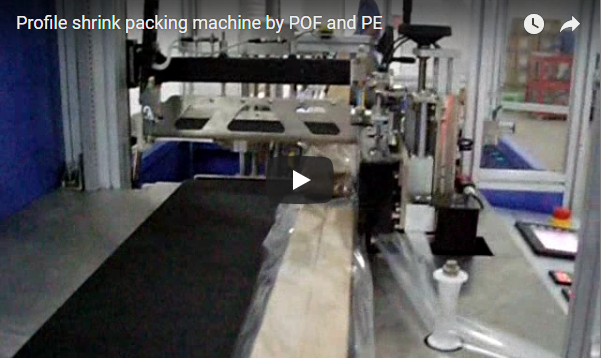
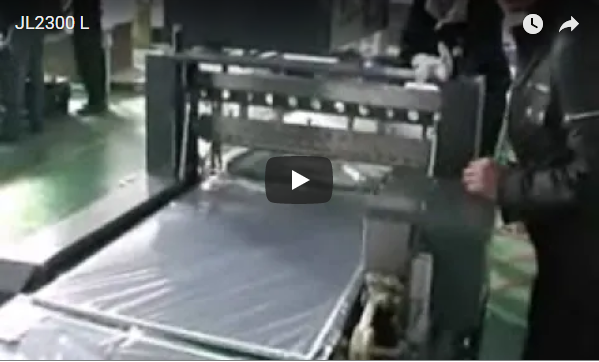
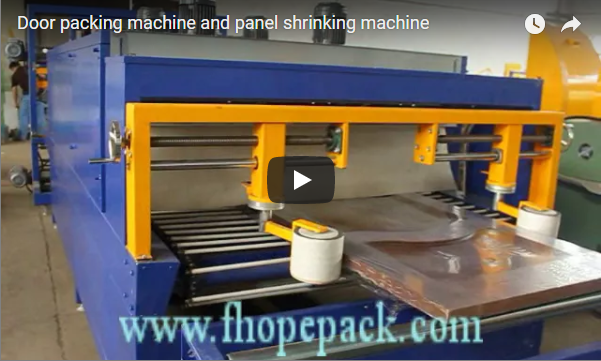
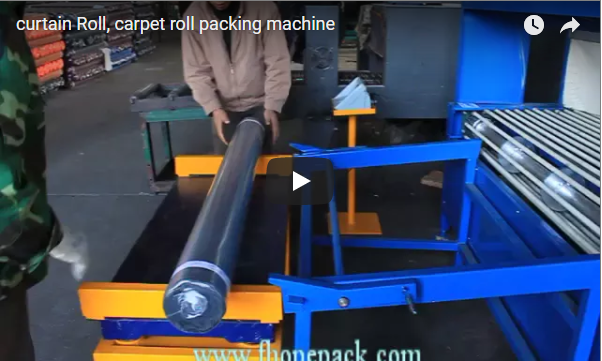
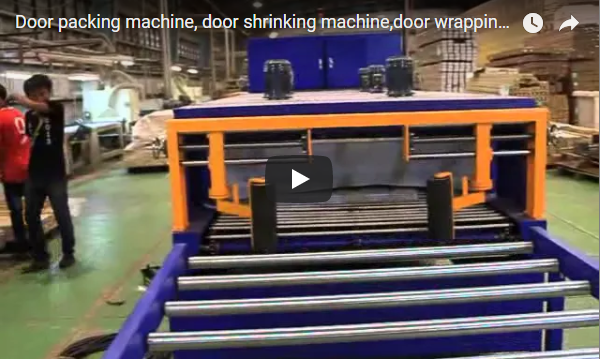
Our footage shows a door or panel being sealed and passed through the shrinking tunnel in sequence. It is a general demonstration, so panel sizes and film for your plant are confirmed with us per project.
Lista kontrolna wyboru
| Question | Potwierdź dla każdego projektu |
|---|---|
| Zakres paneli | length, width, thickness |
| Plan filmowy | POF lub PE, grubość |
| Typ uszczelniacza | L-bar versus side sealer |
| Wydajność | cycle fit to line |
| Tunnel control | temperature per film data |
| Dostawy prądu | napięcie, faza i częstotliwość na miejscu |
Sterowanie i bezpieczeństwo
The machine runs from its control panel with an emergency stop at the operator position. The seal bars and tunnel are hot, so guarding and clear marked zones keep operators clear during operation. Routine checks cover the film feed, sealing bar, tunnel heater and conveyor, per the machine manual.
Często zadawane pytania dotyczące inżynierii
Q: What loads are compatible with this shrink system? A: Rigid flat building components, doors and sheet panels that need full surface enclosure rather than pallet stretch wrapping.
Q: Why not wrap the panel with a stretch wrapper? A: Stretch wrappers suit palletized loads and cannot hold loose flat panels without custom fixturing.
Q: How do the two steps work? A: A sealing mechanism encloses the film, then the heated tunnel shrinks it tight against the surface.
Q: L-bar or side sealer? A: L-bar closes two film edges at once at moderate speeds; side sealer runs continuous wheels for longer panels and higher throughput.
Q: How are tunnel temperatures set? A: From film thickness and ambient temperature, per the film supplier’s data sheet and confirmed per project.
Następny krok
- Email us at info@fhopepack.com with your panel sizes, film and volumes.
- We send a sealing machine proposal and a layout drawing within 48 hours.
- We arrange a site survey and a film trial to set the tunnel.
Powiązane czytanie
- Panel wrapping machine for flat components
- Automatic horizontal orbital wrapper from FHOPE
- Door protective film applicator machine
- Linie produktów maszyn pakujących FHOPE
Źródła i standardy
- ISO 12100:2010 Bezpieczeństwo maszyn, ogólne zasady projektowania i oceny ryzyka
- EN 415-10:2014 Bezpieczeństwo maszyn pakujących, wymagania ogólne
- EN ISO 13849-1:2023 Bezpieczeństwo maszyn, części systemów sterowania związane z bezpieczeństwem
FHOPE door and panel sealing and shrinking machine demonstration video. Reviewed as a general demonstration; panel sizes and film confirmed per project.
Ostatnia aktualizacja: 2026-10-10