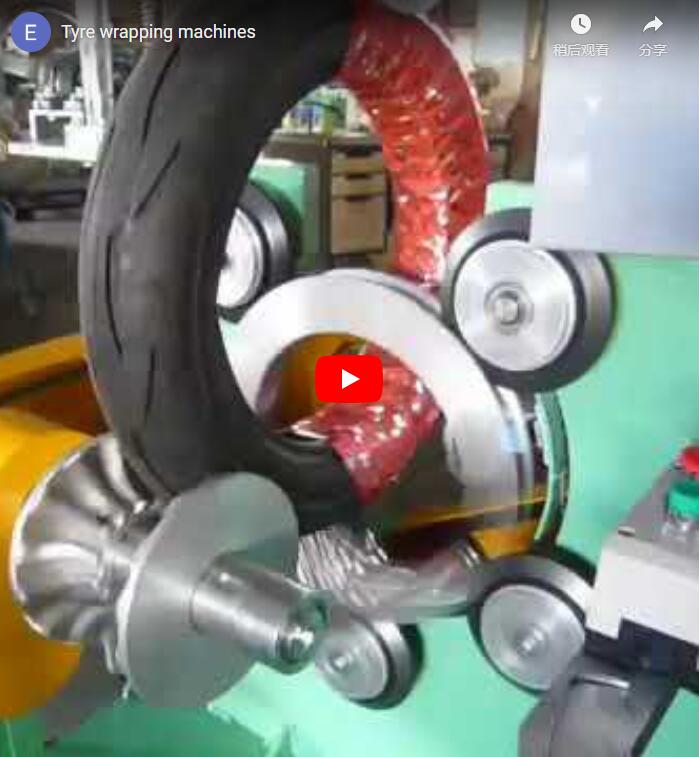
Santrauka Mūsų vertikalus padangų apvyniojimo įrenginys suka padangą ant ritinėlių, o žiedas perveria plėvelę pro padangos borto angą ir aplink protektorių. Lengvųjų automobilių (PCR) padangų dydį nustatome pagal padangos kodą: FPT-200 padangos išorinis skersmuo yra 510–800 mm , o vidinis – 300–700 mm. Dideli visureigių dydžiai gali patekti į šiuos modelius, todėl pirmiausia patikriname jūsų dydžių sąrašą.
Turinys
- Kaip veikia padangų apvyniojimo įrenginys
- Nuo padangos kodo iki išorinio diametro ir vidinio tankio
- Kuris modelis tinka
- Dydžiai tarp modelių
- Apvyniojimo laikas ir išvestis
- Medžiagos ir persidengimas
- Komunalinės paslaugos ir saugumas
- Atrankos kontrolinis sąrašas
- Inžinerijos DUK
- Kitas žingsnis
- Susijęs skaitymas
- Šaltiniai
Kaip veikia padangų apvyniojimo įrenginys
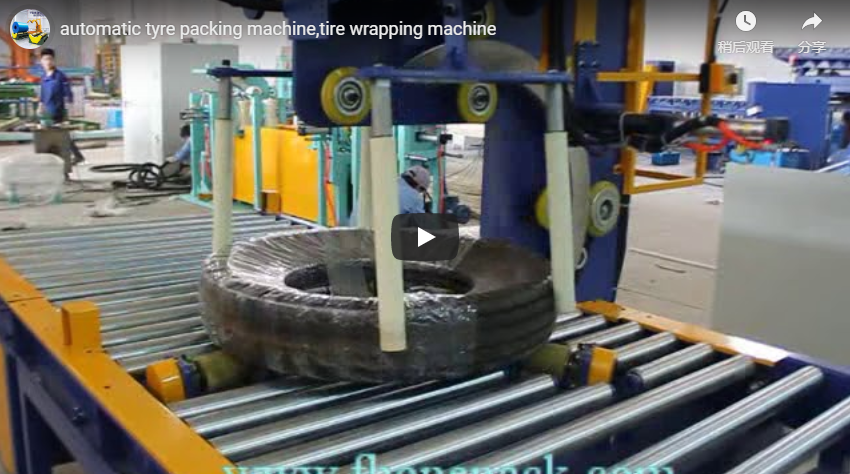
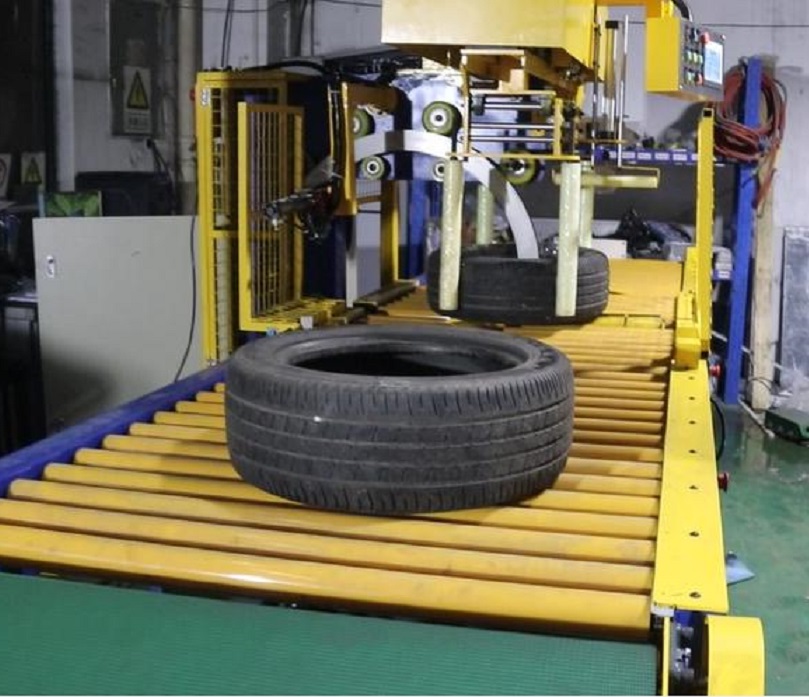
Operatorius padangą krauna iš viršaus į C formos žiedą, kuris atsiveria į viršų. Voleliai suka padangą, kol žiedas sukasi per borto angą, todėl plėvelė spirale sukasi aplink protektorių ir šonines sieneles. Žiedas grįžta į pradinę padėtį ir automatiškai atsistato po kiekvienos padangos uždėjimo.
Cilindro laikiklis laiko volelį, todėl lengvos padangos vyniojimo metu nedreba. Mūsų vaizdo įraše operatorius pakrauna padangą iš viršaus, o žiedas ją apvynioja.
Nuo padangos kodo iki išorinio diametro ir vidinio tankio
PCR padangos kodas, pvz., 205/55R16, nurodo padangos sekcijos plotį milimetrais, kraštinių santykį procentais ir ratlankio skersmenį coliais. Išorinis skersmuo yra ratlankio skersmens ir dviejų šoninės sienelės aukščių suma. Vidinis skersmuo ties bortu yra artimas ratlankio skersmeniui.
| Padangos kodas | Plotis | Šoninės sienelės aukštis | OD | Karoliuko ID (apytikslis) |
|---|---|---|---|---|
| 175 / 65R14 | 175 mm | 114 mm | 583 mm | 356 mm |
| 205 / 55R16 | 205 mm | 113 mm | 632 mm | 406 mm |
| 225 / 45R18 | 225 mm | 101 mm | 660 mm | 457 mm |
| 265 / 70R17 | 265 mm | 186 mm | 803 mm | 432 mm |
Pavyzdys: 205/55R16 padangos išorinis skersmuo yra 16 × 25.4 + 2 × 205 × 0.55 = 632 mm.
Kuris modelis tinka
| Parametras | „FPT-200“ | „FPT-300“ |
|---|---|---|
| Padangos išorinis skersmuo | 510 – 800 mm | 800 – 1,200 mm |
| Padangos ID | 300 – 700 mm | 500 – 900 mm |
| Padangos plotis | 40 – 250 mm | 80 – 300 mm |
| Padangos svoris | 10-30 kg | 10-100 kg |
| Žiedo greitis | 0–120 aps./min | 30–110 aps./min |
| Apvyniojimo laikas | 18–30 s vienai padangai | 25–40 s vienai padangai |
Pirmieji trys aukščiau esančioje lentelėje pateikti kodai atitinka FPT-200 išorinį, vidinį ir plotį. Pločio ribos taip pat reiškia, kad šios mašinos vienu metu apvynioja tik vieną padangą: dvi 205 mm padangos kartu yra 410 mm pločio, viršijančios ir 250 mm, ir 300 mm ribas.
Dydžiai tarp modelių
265/70R17 visureigio padangos išorinis skersmuo yra 803 mm, šiek tiek viršijantis FPT-200 ribą. Jos borto vidinis skersmuo 432 mm taip pat yra mažesnis nei FPT-300 minimalus 500 mm ilgis, todėl ji netinka nė vienam iš išvardytų langų. Jos 265 mm plotis taip pat viršija FPT-200 ribą – 250 mm.
Dėl tokių dydžių prašome pateikti visą dydžių sąrašą. Tuomet pritaikysime mašiną prie didžiausių ir mažiausių jūsų padangų arba pasiūlyme patvirtinsime individualų langą.
Apvyniojimo laikas ir išvestis
Iliustracinis FPT-200 pavyzdys su 15 s pakrovimui ir iškrovimui:
| Žingsnis | Greita padanga | Lėta padanga |
|---|---|---|
| Wrap | 18 ai | 30 ai |
| Pakrovimas ir iškrovimas (iliustracija) | 15 ai | 15 ai |
| Visas ciklas | 33 ai | 45 ai |
| Padangos per valandą | apie 109 | 80 |
Tai yra veikimo laiko skaičiai prieš pasikeičiant ir nutrūkstant plėvelės ritinėliui.
Medžiagos ir persidengimas
| Punktas | „FPT-200“ |
|---|---|
| medžiagos | PE, tampri plėvelė, megztas diržas, PP, sidabrinis popierius |
| Persidengimas | 10 – 80% |
| Įtampa | reguliuojamas stabdžiu plėvelės volelyje |
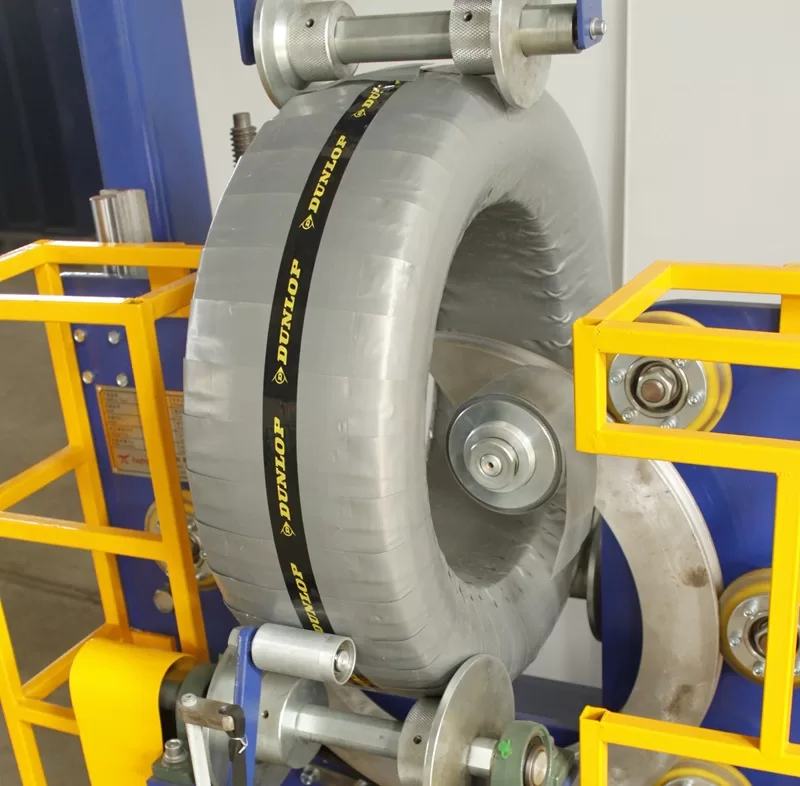
| Logotipo juosta | uždedamas aplink padangos išorinį skersmenį apvyniojimo metu |
Keitikliai valdo žiedų ir volų greitį, naudodami švelnų paleidimą ir stabdymą, kuris nustato persidengimą.
Komunalinės paslaugos ir saugumas
| Naudingumas | „FPT-200“ | „FPT-300“ |
|---|---|---|
| Elektros energijos tiekimas | 380 V kintamoji srovė, 50 Hz arba pagal jūsų poreikius | 380 V kintamoji srovė, 50 Hz arba pagal jūsų poreikius |
| Elektros energija | 1.5 kW | 2.0 kW |
Apsauginiai turėklai ir dangčiai apsaugo judančias dalis, o gedimai rodomi jutikliniame ekrane. Taikomi standartai priklauso nuo paskirties rinkos. CE rinkose rizikos vertinimo metodą nustato ISO 12100, o bendruosius pakavimo mašinų reikalavimus – EN 415-10.
PCR padangų apvyniojimo įrangos pasirinkimo kontrolinis sąrašas
- Visas padangų kodų sąrašas nuo mažiausio iki didžiausio.
- Padangų svoriai.
- Plėvelė, megztas diržas, PP arba popierius.
- Logotipo juosta, taip arba ne.
- Reikalingas padangų skaičius pamainai.
- Vietinis maitinimo šaltinis.
Inžinerijos DUK
K: Kaip apskaičiuoti padangos išorinį skersmenį pagal jos kodą? A: Ratlankio skersmuo milimetrais plius du šoninės sienelės aukščiai, kur šoninės sienelės aukštis yra plotis, padaugintas iš kraštinių santykio.
K: Kuris įrenginys tinka daugumai PCR padangų? A: FPT-200, kurio išorinis skersmuo yra 510–800 mm, vidinis skersmuo – 300–700 mm, o plotis – iki 250 mm.
K: O kaip dėl didelių visureigių padangų? A: Tokie dydžiai kaip 265/70R17 gali patekti į nurodytą intervalą, todėl mes juos patikriname jūsų dydžių sąraše.
K: Kiek laiko užtrunka vienos padangos apvyniojimas? A: FPT-200 apvyniojimas trunka 18–30 s.
K: Ar ant apvyniojimo plėvelės galima uždėti mūsų logotipą? A: Taip. Logotipo juosta užklijuojama aplink padangos išorinį skersmenį apvyniojimo metu.
Kitas žingsnis
Jūsų PCR padangų apvyniojimo planą planuojame trimis etapais:
- Pateikite savo išdėstymo brėžinį su jūsų padangų kodų sąrašu ir padangomis per pamainą info@fhopepack.com.
- Gaukite pasiūlymą per 48 valandas, su modelio ir dydžio langeliu.
- Užsisakykite objekto apžiūrą kad įvynioklis tilptų į jūsų liniją.
Susijęs skaitymas
- Padangų pakavimo mašina FPT-200
- Padangų pakavimo mašina FPT-300
- Padangų apvyniojimas internetu
- Vaizdo įrašas: padangų apvyniojimo mašina ir padangų pakavimo įranga
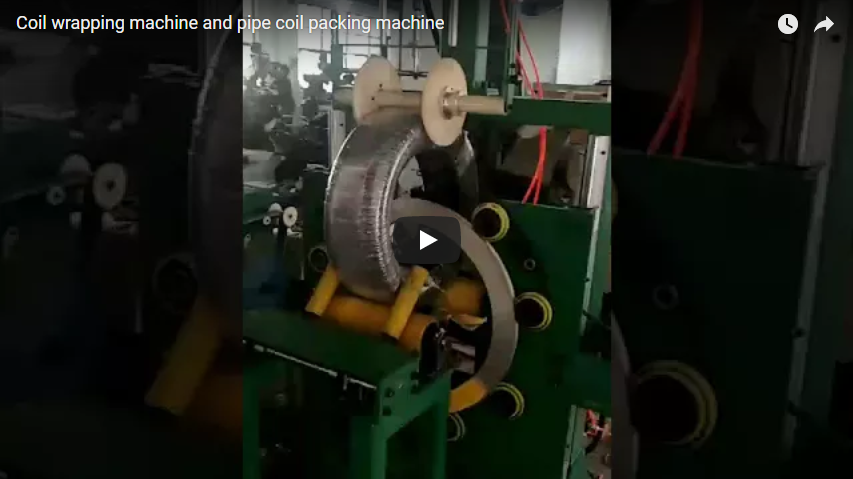
- Vaizdo įrašas: žarnų vyniojimo mašina ir vamzdžių ritinių pakavimo mašina
Šaltiniai
- FPT-200 duomenys: padangų pakavimo mašinos puslapis (URL FPT-100, lentelė FPT-200)
- FPT-300 duomenys: padangų pakavimo mašinos puslapis (URL FPT-200, lentelė FPT-300)
- Mašina veikianti: Mūsų PCR padangų apvyniojimo vaizdo įrašas „YouTube“ platformoje
- Standartų taikymo sritis: ISO 12100: 2010, EN 415-10: 2014
Paskutinį kartą peržiūrėta: 2026-10-04