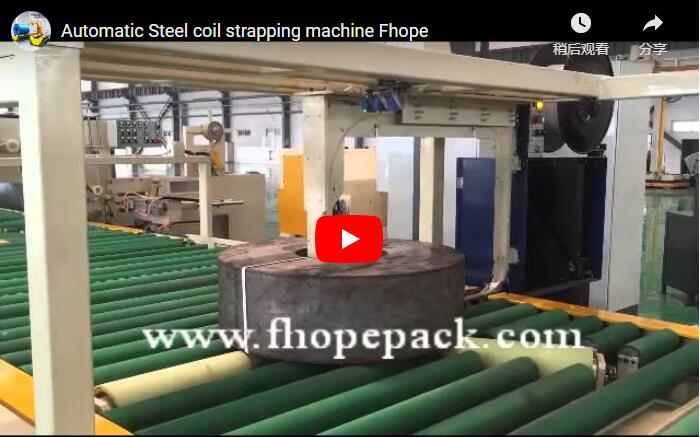
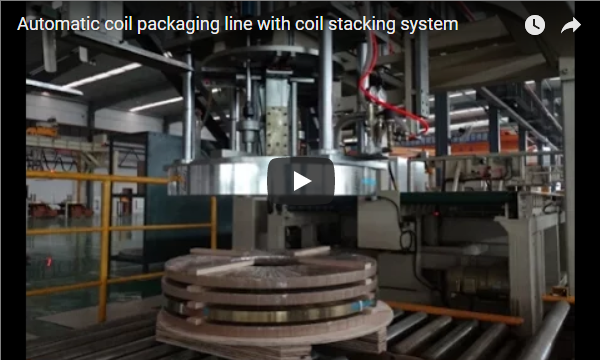
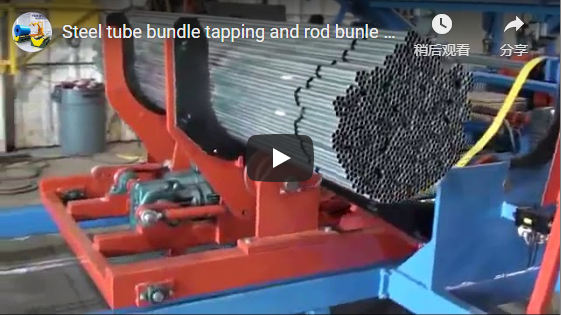
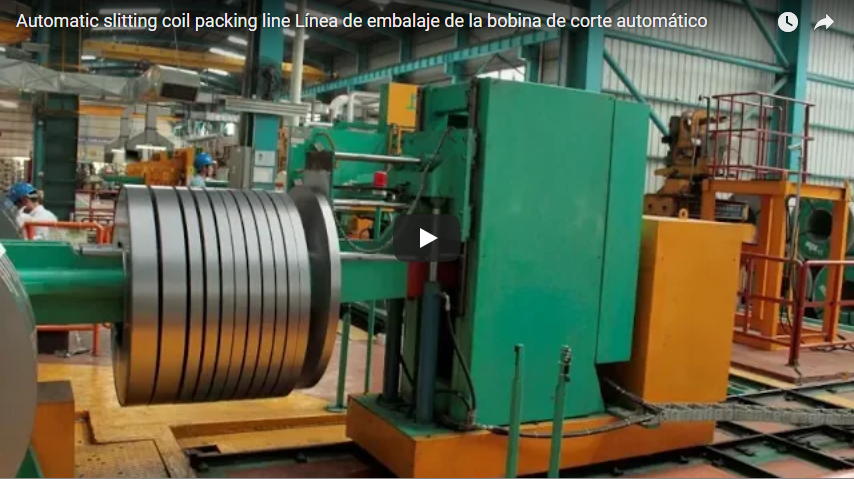
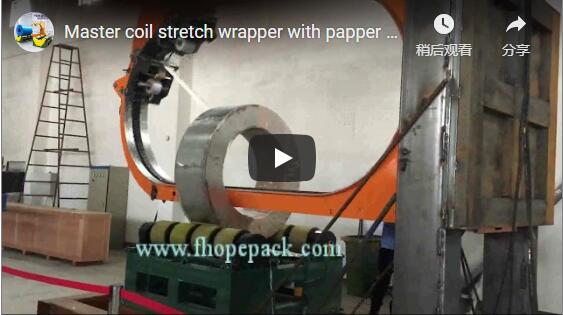
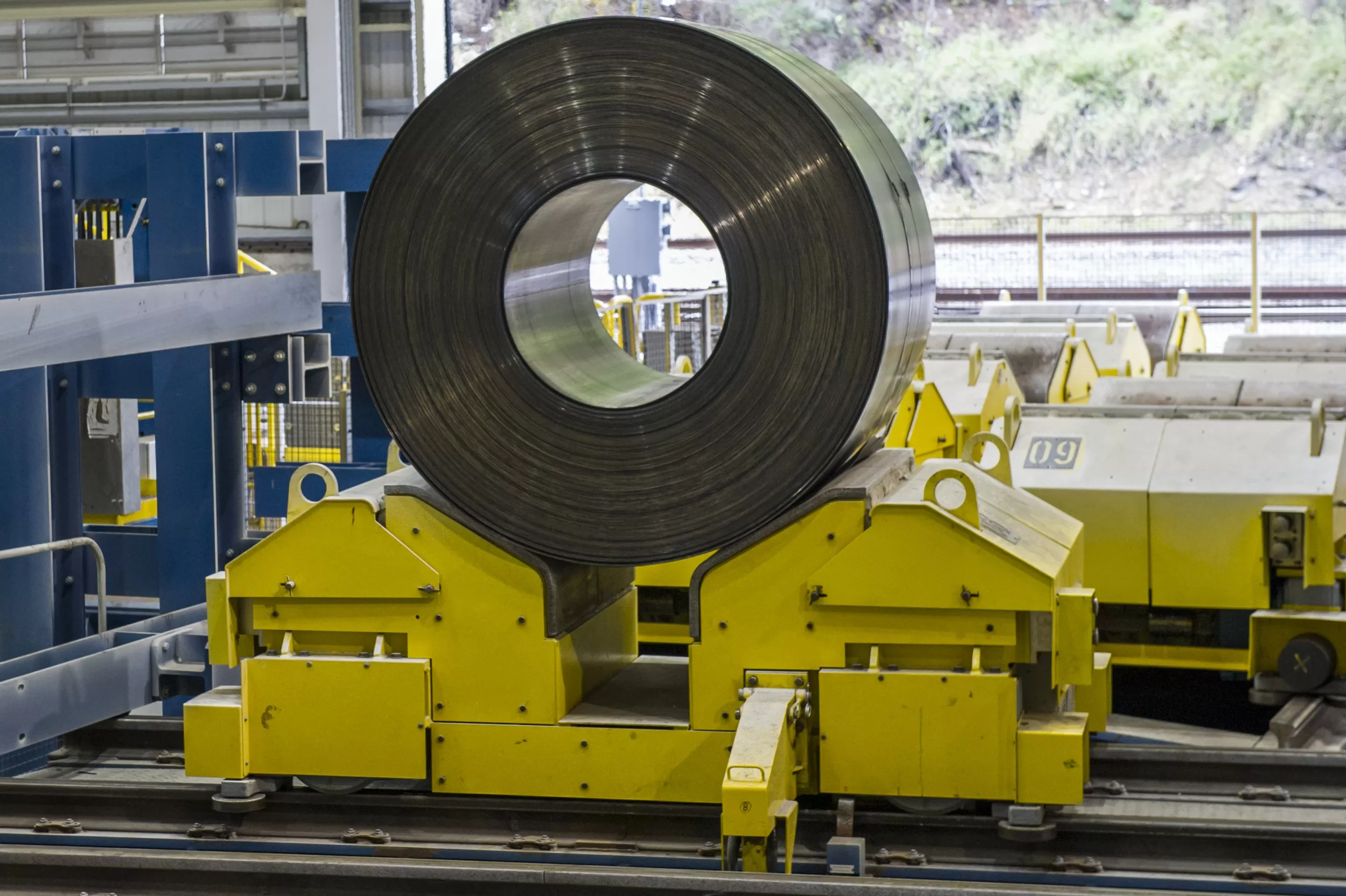
Santrauka: This page is for anyone moving heavy steel coils between stations and deciding how to automate the transfer. It explains what a coil car for steel handling does, how a motorized cart grips a coil on a yellow support arm and travels with it on rails, and what to verify with a supplier before you commit. The video below shows one coil being loaded and held, and the photos on this page are product-library reference images, not stills from the clip.
Šiame puslapyje: Ką šis puslapis padeda jums nuspręsti · What a coil car for steel handling does · How a coil is loaded and held · Ką reikia patikrinti prieš perkant · Ką rodo vaizdo įrašas · Pirkėjo patvirtinimo kontrolinis sąrašas · DUK · Susijęs skaitymas · Kitas žingsnis
Ką šis puslapis padeda jums nuspręsti
Steel coils are dense, awkward loads that are hard and risky to move by hand. A coil car grips a coil mechanically and carries it between positions on rails, so the coil does not have to be pushed or re-slung each time. The video below shows one coil being loaded and held.
This page turns that machine into questions you can ask a supplier: what coil sizes it carries, how far it travels, and what controls come with it. The checklist at the bottom gives you a single request you can send as it stands.
What a coil car for steel handling does
A coil car for steel handling is a motorized steel coil cart that grips a coil and positions it. The coil is presented horizontally and taken by a yellow support arm, and a clamping mechanism closes so the coil is held firmly. The cart’s rail-and-slide base lets it travel with the coil between positions in the plant.
In the video the machine has a cream or off-white cabinet body, a blue motor with yellow drive and clamping parts, and a red warning lamp on top. The cart sits on a rail base, and an operator supervises from a station behind a yellow railing.

How a coil is loaded and held
The support arm and the clamping mechanism work together.
- Scena. The coil is brought toward the machine and presented with its axis horizontal.
- sukibimas. The yellow support arm takes the coil, and the clamping mechanism closes inward so the coil is held firmly.
- Signalas. The red warning lamp lights up, marking the machine as active.
- Pozicija. The cart travels on its rail base to carry the coil to the next position.
The video stops with the coil loaded and held; discharge and hand-off to the next machine are not filmed.
Ką reikia patikrinti prieš perkant
The video shows the loading and holding action, not the specification. Nothing on screen states load capacity, travel speed or cycle time, so those figures come from the supplier in writing. Start with six facts:
- Ritės apvalkalas — mažiausias ir didžiausias ritės išorinis skersmuo, plotis ir svoris.
- talpa — rated load, in tonnes.
- Kelionė — distance, speed and rail layout.
- Išleidimas — how the coil is handed to the next station, since the video does not show it.
- Kontrolė — how the cart is operated, and the drive details.
- Saugos paketas — emergency stop, guarding, light curtain and certifications.
Kiekvienas elementas pakeičia pirkimo sprendimą. Žemiau pateiktame kontroliniame sąraše jie pateikiami kaip vienas prašymas, kurį galite išsiųsti tokį, koks yra.
Ką rodo vaizdo įrašas
What the video shows is one coil being loaded onto a coil car and held. The clip opens with a wide view of the workshop. Coil storage racks sit on the left, an operator in blue workwear and an orange hard hat stands behind a yellow railing, wrapped coils fill the foreground, and an orange overhead crane hangs above.
The camera then settles on the coil car, and a golden-coloured steel coil is pushed out horizontally and held on the machine’s central yellow support arm while the clamping mechanism closes. A red warning lamp on top of the machine lights up, and the coil stays horizontal for the whole clip. The video ends with the coil still held on the machine.
What the video does not show is just as important. It does not show rated load capacity, the actual coil weight, travel speed, travel distance or cycle time. It does not show model, motor power or control system brand, and it does not show the discharge step, since the clip ends with the coil still on the machine. It does not show any physical emergency-stop button, light curtain, interlock or certification mark, and the coil is never flipped or rotated.
Direct observation notes from the sampled frames follow one rule: only what is visible is stated, and nothing is guessed from audio, because the clip has background music and no narration. The machine has a cream or off-white painted body, a dark blue or black motor housing with yellow drive and clamping parts, and a red warning or emergency lamp on top.
A worker in blue workwear and an orange hard hat stands at an operator station protected by a yellow railing, with buttons, knobs and indicator lights whose legends are not readable. A website address printed on the footage is not used here.
The floor has yellow-black warning stripes, and an orange overhead crane is visible in the background. The product is a golden-coloured steel coil with an even metallic sheen, held horizontally on the support arm. The photos on this page are product-library reference images from the manufacturer, not stills from the clip.
Pirkėjo patvirtinimo kontrolinis sąrašas
| Klauskite tiekėjo | Kodėl tai lemia pirkimą |
|---|---|
| Min/maks ritės skersmuo, plotis, svoris | Whether the cart holds your coils |
| Nominali keliamoji galia | The video shows no capacity figure |
| Travel distance, speed, rail layout | The cart travels on rails |
| Discharge and hand-off method | The clip ends with the coil on the cart |
| Pavaros ir valdymo sistema | A blue motor is visible |
| Saugumas: avarinio sustojimo sistema, apsauga, sertifikatai | Vaizdo įraše nematyti jokių saugos elementų |
Siųsti tiekėjui: Please confirm for the coil car for steel handling shown in the demonstration video: (1) the minimum and maximum coil outer diameter, width and weight; (2) the rated load capacity in tonnes; (3) travel distance, speed and rail layout; (4) how the coil is discharged and handed to the next station; (5) the drive and control system; (6) fitted safety devices including emergency stop, guarding, light curtain and certifications.
DUK
Does the coil car rotate or flip the coil? No. The coil stays horizontal throughout the video, and no flipping or rotating is shown.
What happens after the coil is loaded? The video ends with the coil still held on the cart. Discharge and hand-off are not filmed, so ask the supplier.
What can be read on the operator station? The video shows buttons, knobs and indicator lights, but the legends are not readable at video resolution.
Susijęs skaitymas
- Coil Car for Steel Handling
- Ritės perkėlimo automobilis
- Plieninės ritės pakavimo linija
- Ritės pakavimo mašina
- Plieninių ritinių surišimo mašina
- Plieno ritinių vyniojimo mašina
Kitas žingsnis
Send the supplier your coil sizes, load and travel requirements, and ask for the six verification figures from the checklist above.
Then confirm the discharge and travel details, since the video shows the coil being loaded but not handed off.
Then ask about the controls and safety package, because the video shows the arm, lamp and rail base but not the full setup. Use the kontaktas puslapis kad pradėtų tą mainą.
Paskutinį kartą peržiūrėta: 2026-09-29
Paskelbta: 2026-09-29