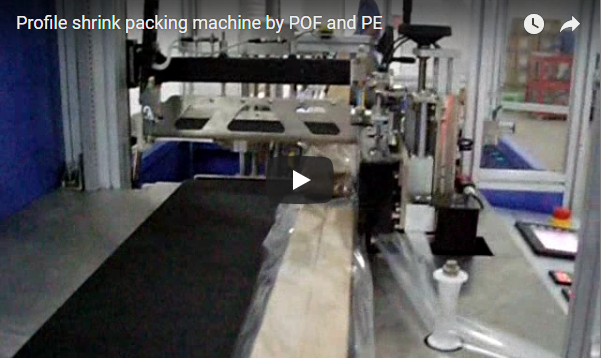
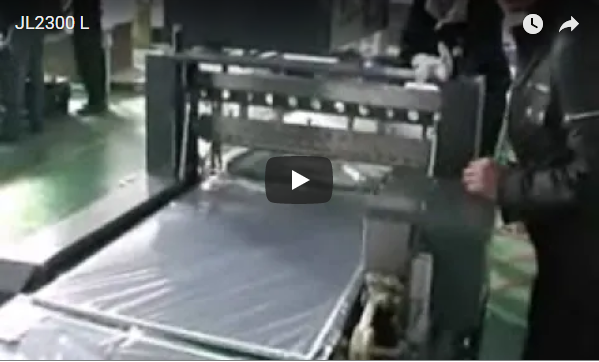
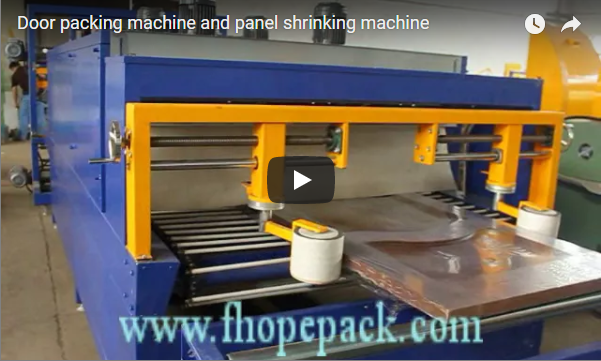
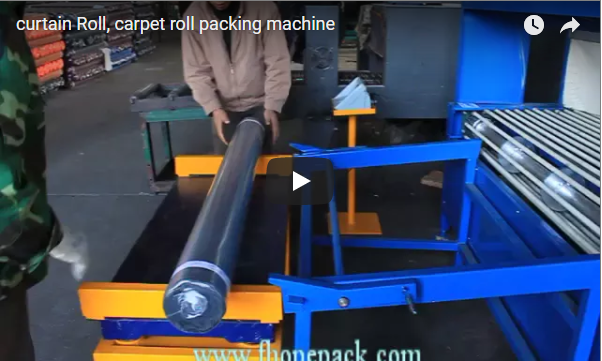
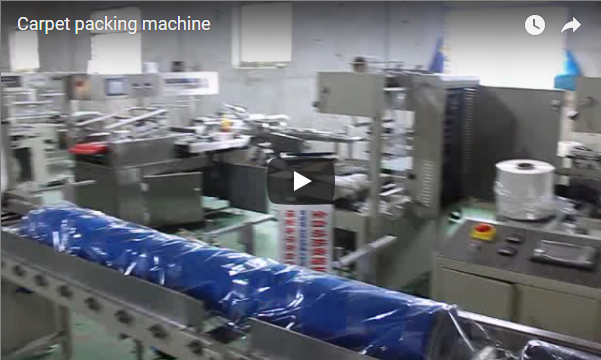
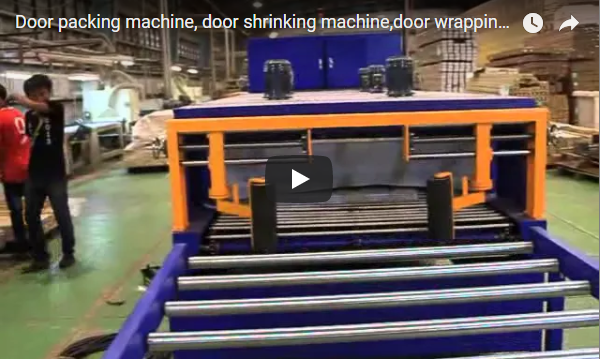
Summarium Exsecutivum Hoc video ostendit tabulam ligneam planam per lineam pelliculae involvendae et calore contrahendae transeuntem: pellicula e rotulis supra caput extrahitur, caput preli calefactum super tabulam demittitur ut pelliculam sigillet et contrahat, et tabula involuta per convectorem cylindricum rubrum exit. Series plena continue currit nulla interventione manuali conspicua. Specificationes ut potentia, temperatura, et materia pelliculae non monstrantur — eas cum fabricante verifica.
Cur haec machina magni momenti sit fabricatoribus ianuarum et tabularum
Ianuae ligneae, tabulae armariorum, et tabulae supellectilis communem difficultatem involucrorum habent: superficiem planam et sensibilem, quae ad emptorem munda, sicca, et sine scalpturis pervenire debet. Laminae plasticae laxae vel involucrum manuale tardum, inconstans, et saepe angulos nudos relinquit. Machina dedicata ad obsignandum et contrahendum singula tabula pellicula involvit, quae deinde calore arcte contrahitur, ita pellicula quasi altera pellis fungitur — contra humiditatem, pulverem, et damnum tractationis protegens, dum productum ad inspectionem visibile servat.
Imagines in hac pagina ipsum processum ostendunt, a tabula nuda ad tabulam plene involutam, automatice progredientem. Si machinas ad tabulas vel ianuas involvendas aestimas, partes infra separant quae in imagine revera monstrantur ab iis quae non monstrantur, ut accurate scias quid adhuc cum fabricatore confirmandum sit antequam emptioni te committas.
Quod video ostendit, gradatim
Pellicula circiter plus quam nonaginta secundis longa est et singulam tabulam per machinam sequitur. Hic est ordo cum indiciis temporalibus:
0–8s — Alimentatio et erogatio pelliculae. Tabula lignea vel composita coloris clari plana in taenia transportatoria viridi iacet, in machinam movens. Supra eam, plures volubiles pelliculae plasticae contractibilis pellucidae e sphæris supra caput explicantur, pellicula super rem deorsum pendente. Tabula moderandi a dextra luces indicatrices virides, flavas et rubras accensas ostendit.
12–16s — Zonam contrahendi ingredimur. Tabula nunc plene strato pelliculae pellucidae tegitur et in aream calefactionis movetur. Camera rugas et distensionem in superficie pelliculae intendit — indicium est calorem in eam agere incipere.
20–24s — Pellicula tabulae conformans. Dum tabula progreditur, pellicula manifeste stringitur et marginibus tabulae accommodatur. Lateralis caeruleus partem visionis breviter obstruit.
28–56s — Refrigeratio et constitutio in sectione cylindrorum. Tabula involuta in sectionem conveyor cylindrorum rubro obductam intrat, ut videtur ad refrigerationem et formam finalem. Saltem septem cylindri paralleli tabulam leniter porro ferunt, cum duobus parvis cylindris pressoribus subalbis utrinque, verisimiliter ad directionem vel pressionem levem.
60–72s — Secunda tabula et caput preli. Deinde imagines aliam tabulam in linea cylindrorum rubra ostendunt, cylindris flavis ductoribus margines eius tangentibus. Caput preli/calefactionis verticaliter movens, sub trabibus impositum, in loco initiali supra tabulam sedet.
76–80s — Pressio calore. Caput preli/calefactionis super tabulam demittitur. Sub pressione et calore coniunctis, rugae pelliculae profundiores fiunt et localiter contrahuntur, circa rem fabricandam arcte trahentes dum tabula in linea immota manet.
84–92s — Dimissio et exitus. Caput retrahitur, et tabula, nunc pelliculam uniformem extensam et leviter rugosam per superficiem suam ostendens, ad dextram et extra zonam processus moveri pergit. In fine pelliculae, manifestae formae contractionis transversalis in superficie involuta conspiciuntur.
Structura machinae uno obtutu
Video bonam imaginem principalium machinae partium praebet. Haec tabula summatim ostendit quae videri possunt:
| pars | Quod visibile est | Functio apparens |
|---|---|---|
| Frame | Structura metallica grisea/alba pallida cum columnis et trabibus quadratis, pedibus adaptabilibus | Omnes stationes sustinet; laminae basis bullonis conspicuae |
| Systema pelliculae | Ductores paralleli supra caput cum multis rotulis pelliculae et adaptatione tensionis | Pelliculam contractibilem perlucidam super tabulam effundit |
| Unitas calefactionis/pressionis | Camera rubro picta; caput preli verticale cum railibus et laminis rectoriis | Calorem et pressionem adhibet ad pelliculam obsignandam et contrahendam. |
| Taenia viridis transportatrix | Pars alimentationis tabulam nudam portans | Materiam in machinam immittit |
| Convector cylindrum rubrum | Saltem septem cylindri paralleli, diametro ~50 mm, fulcris nigris | Tabulam involutam portat et refrigerat |
| Cylindri laterales ductores | Duo cylindri subalbi/flavi in fulcris adaptabilibus | Tabulam in linea et leviter pressam tene. |
| imperium panel | Tactilis velum, viridis initium, flavus indicator, rubra statio urgendi, virides lumina sistendi/restituendi, parva ostensio LED | Interfacies operatoris et indicatio status |
Unum parvum notandum: circa octavum secundum, parva ostentoria LED rubra in tabula moderatrice numerum "80" ostendit . Relatio hoc tamquam valorem status interni, non temperaturam aut parametrum confirmatum, tractat — ne id tamquam punctum constitutum sine consultatione fabricatoris legas.
Machina in actione: quid processus praebet
Circulo toto observato, tria emptori eminent:
- Operatio continua, manibus liberis. Ab alimentatione ad exitum, nullus operator tabulam tangit. Transitiones inter applicationem pelliculae, calefactionem, et refrigerationem lenes sunt, nullis interruptionibus visibilibus.
- Etiam conformitas pellicularum. Post contractionem, pellicula arcte ad faciem tabulae adhaeret, parva tantummodo superficie marginis exceptione — quod et ad protectionem et ad speciem requiris.
- Tractatio lenis. Tabula per totum tempus plana et orientatione stabili manet; nulla est conversio, rotatio, aut motus verticalis praeter ictum capitis preli.
Pro fabrica ianuarum vel tabularum, hoc in involucrum vertitur quod est congruens ab una parte ad aliam, cum minore dependentia ab peritia operatoris quam involucrum manuale.
Notae observationis directae
Hae notae prope analysin video manent et solum ea quae visibilia sunt describunt:
- Tabula lignea/composita rectangula coloris clari per taeniam viridem transportatoriam in machinam immittitur; rotuli pelliculae supra caput pelliculam contractibilem pellucidam super eam evolvunt (t≈0–8s).
- Lumina indicatoria viridia, flava, et rubra in tabula moderatrice dextra accenduntur; parva ostentoria LED "80" (t≈8s) ostendit.
- Tabula pellicula obducta zonam calefactionis intrat; rugae et distensio pelliculae conspiciuntur (t≈12–16s).
- Pellicula marginibus tabulae visibiliter accommodatur dum progreditur (t≈20–24s).
- Tabula per sectionem transportatoriam cylindrorum rubrorum cum cylindris parallelis et duobus cylindris pressoribus lateralibus subalbis (t≈28–56s) movetur.
- Caput premendi/calefactionis verticale in secundum tabulam demittitur; rugae pelliculae sub calore et pressione augentur (t≈76–80s).
- Caput retrahitur; tabula exit cum figuris contractionis transversalis uniformibus in superficie pelliculae (t≈84–92s).
- Structura machinae est metallica grisea pallida cum pedibus fulcris fixis; interior camerae calefactionis rubra est; nullae inscriptiones admonitionis, notae mercatoriae, aut notae aquariae usquam in imaginibus apparent.
Quod video non ostendit
Emptores limites eorum quae hae imagines probant scire debent. Haec non observantur:
- Potentia, tensio, et frequentia aestimatae
- Nomen exemplaris machinae vel dimensiones totales et pondus
- Tempus cycli per tabulam, celeritas convectoris, vel numeri productionis
- Spatium magnitudinis maximae et minimae materiae
- Temperaturae calefactionis ambitus et pressionis ordinationes
- Materia pelliculae, crassitudo, et latitudines compatibiles
- Utrum moderatio tensionis, correctio automatica, an alarmae erroris includantur
- Certificationes securitatis (CE, UL, vel similes)
- Conditiones cautionis et auxilium post venditionem
In emptionibus, video ut probationem facultatis processus — non ut schedam specificationum — tracta. Quisque numerus in indice requisitorum tuorum scripto cum fabricante confirmandus est.
Criteria aptationis: aptusne est hic machinae genus producto tuo?
Secundum ea quae in imaginibus apparent, haec machinae classis convenit:
| Bona aptatio | Probabiliter male aptatum |
|---|---|
| Tabulae planae: ianuae, ianuae armariorum, tabulae supellectilis, tabulae partitionis | Formae tridimensionales complexae vel partes graviter formatae |
| Tabulae tenues vel mediocres crassitudinis (tabulae in video apparent infra ~30 mm) | Laminae crassissimae margine profundo tegendae (limites verifica) |
| Producta quae superficiem obsignandam et aspectum visibilem requirunt | Producta quae sex laterum involucrum plenum requirunt (non demonstrata) |
| Productio continua vel per seriem cum magnitudinibus tabularum uniformibus | Mutationes magnitudinis constantis (tempus mutationis non monstratum) |
Si mixtura productorum tuorum et tabulas planas et res irregulares continet, fabricatorem interroga num solutio involucri complementaria pro rebus non planis necessaria sit.
Observationes salutis ex imaginibus
Video ostendit clavem rubram fungiformis in tabula moderandi et operculum metallicum super aream cylindri. Attamen, nulla saepes physica custodiens, nulla velamen lucis, nullaeque inscriptiones admonitionis usquam in imaginibus conspiciuntur. Camera calefactionis manifeste superficies calida est. Si machinas sic operaris, rationes prudentes includunt manus a zonis cylindri et preli removere, tua propria admonitiones de alta temperatura affigere si nullae appositae sunt, et cum fabricante confirmare quae optiones salutis (interclusiones, velamina lucis, initium bimanuale) pro legibus localibus tuis praesto sint. Hoc tracta ut admonitionem operationis, non ut declarationem certificationis — plena configuratio salutis machinae cum fabricante verificanda est.
FAQ
Qualia producta haec machina involvere potest? Video tabulas rectangulares ligneas vel compositas ostendit, congruentes cum ianuis, ianuis armariorum, et tabulis supellectilis. Limites capacitatis pro aliis magnitudinibus vel materiis — cum fabricante consule.
Num machina sponte operatur? Ita, quantum imagines ostendunt. Tabula continue movetur per alimentationem, applicationem pelliculae, calefactionem/pressionem, et refrigerationem, nulla manu conspicua.
Qua pellicula utitur? Pellicula contractibilis pellucida conspicua est, sed materia (PE, PVC, vel alia), crassitudo, et latitudo ex video non cognoscuntur — cum fabricatore consule.
Quid significat littera "80" in ostensione? Valor legibilis est in parva ostensione LED, sed video nullum contextum praebet confirmans utrum temperatura, temporarius, an alius status sit. Significationem eius cum fabricante verifica.
Quam celeriter procedit? Nulla temporis cycli nec copiae productionis ex imaginibus derivari possunt. Ante emptionem, data mensurata pro magnitudine tabulae tuae pete.
Opusne est operatoris institutione? Tabula moderandi tegumentum tactile et bullas initii/sistionis/sistionis emergentiae habet, quod brevem curvam discendi suggerit, sed ambitus institutionis non monstratur — cum fabricante consule.
Quaestiones antequam emas rogandae
Hoc indice utere cum venditorem contactas:
- Exemplar machinae, potentia, tensio, et frequentia pro regione tua
- Dimensiones et crassitudo minimae et maximae tabulae
- Materiae pellicularum, crassitudines, et latitudines rotulorum compatibiles
- Tempus cycli actuale pro tabula magnitudinis tuae
- Adaptabilitas temperaturae et pressionis, et quomodo constituuntur
- Inclusae sunt lineamenta salutis et optiones ad obsequium locale
- Garantia, disponibilitas partium reservarum, et auxilium institutionis/exercitationis
Fons et methodus
Sola fons rerum verarum huius articuli est video producti supra inclusum. Imagines singulae imagines examinatae sunt utens exemplo visionis in imaginibus exempli gratia sumptis; video musicam tantum continet, nulla narratione aut oratione, ergo nulla transcriptio adhibita est. Omnes descriptiones in notis observationum directe ex imaginibus visibilibus veniunt; quidquid non visibile est explicite notatum est ut confirmationem a fabricante requirens.
Related reading
- Conspectus machinae contrahendae
- Solutiones involucrorum contractibilium
- Involutio apparatus proten
- Semi-auto grabatum involuti machina
- Involutio machina automatic grabatum
tunc step
Si haec ratio obsignandi et contrahendi necessitatibus tuis involucri ianuae vel tabulae respondet, celerrima via progrediendi est dimensiones tabulae tuae, productionem destinatam, et praeferentiam pelliculae fabricatori mittere, et schedam specificationis et pretium petere. Paginam contactus visita ut colloquium incipias.