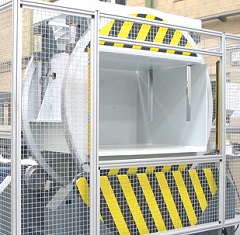
Propellentibus Type Pallet nummulariorum - Machina stipare impellendo Methodo
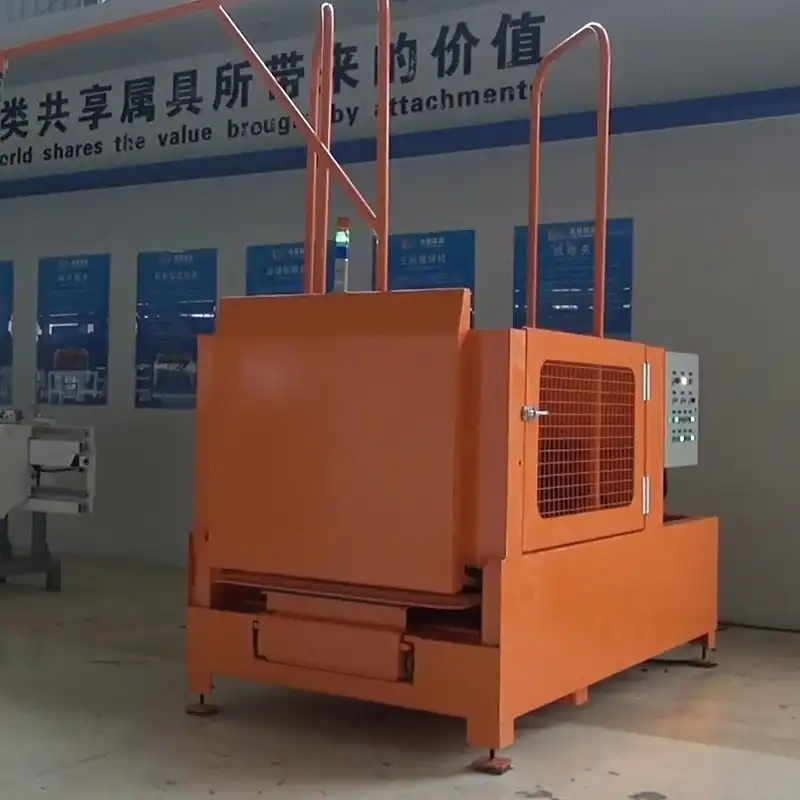
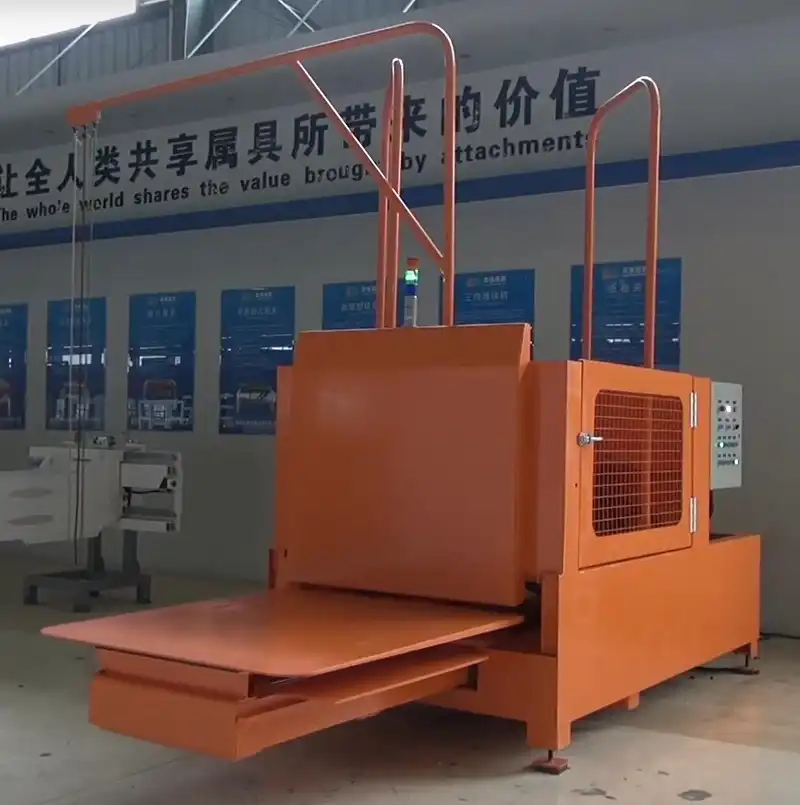
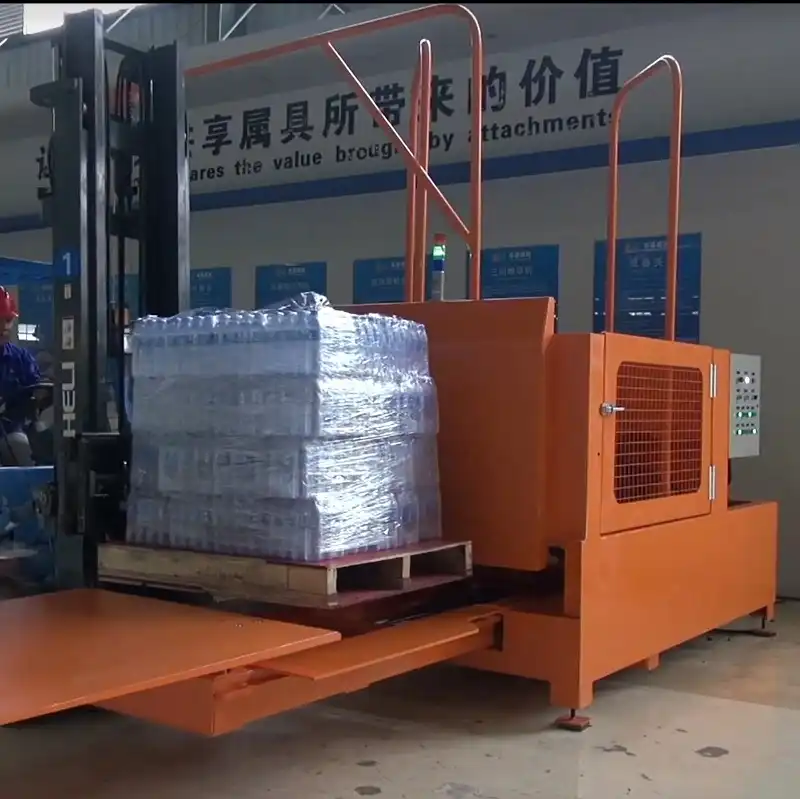
Pushing type pallet changer transfers goods horizontally onto a new pallet with no rotation, tilting or clamping — standalone or in-line use.

Propellentibus genus grabatum mutante
Visual Details

Click to enlarge
Click to enlarge
Click to enlarge
Click to enlarge
Vide Quomodo Operatur
Invenite quomodo nostrae solutiones automatariae involucri efficientiam lineae productionis vestrae optimizent. Hoc video operationem continuam demonstrat, quae ad maximam tutelam destinata est.
Effectus summary:
A pushing type pallet changer moves a load horizontally from its old pallet onto a new one — no rotation, no tilting, no clamping. It is built for high-throughput warehouses and production lines that need to cut pallet-handling time, and it suits loads that must stay flat and upright throughout the change. If your load can be turned 180°, a 180° pallet inverter may fit better; if it can be tilted or clamped, a 95° or V-shape exchanger is an option — see the selection rules below.
What a pushing-type pallet changer does
A pushing type pallet changer works by the pushing method: the load is pushed horizontally off its existing pallet and lands on a new pallet placed beside it. During the whole transfer the load is not rotated, not flipped, not tilted, and not clamped. That is the defining difference between this machine type and every other pallet changer family.
This matters for goods that cannot tolerate any angular movement — for example loads that must stay level because of their contents, stacking pattern, or handling rules. Where a 180° pallet inverter grips and rotates the whole load, and a 95° or V-shape exchanger tilts the load to slide the old pallet out, the pushing type keeps everything flat and simply slides the load sideways onto the new base.
Because the load is never gripped or turned, the pushing method also avoids clamping forces and rotation clearances those other machines need. The trade-off is that the load itself must be regular, stable, and able to be moved as one unit — loose or fragile goods are not suitable for direct pushing (see Limits in More Data).
When a pushing-type pallet changer fits
Three conditions point to this machine:
- The load must stay flat and upright. Goods that must not be rotated, tilted, or clamped across any angular change — subject to handling rules or contents — are the core use case.
- The load is regular and can be moved as one unit. Stable, unitized stacks that slide cleanly suit pushing. Loose, overhanging, or fragile stacks should go to another family or be discussed first.
- You run high-throughput warehousing or line work and want to shorten pallet-handling time while keeping the change flat and level.
Selection rule: can be flipped 180° → 180° inverter; cannot be flipped but can be tilted or clamped → 95° or V-shape exchanger; must stay flat and cannot be tilted or clamped → pushing type (this page); none of these → contact us first.
Related machinis
Rufe Officinae Chalybis et Duces Industriae
Fabricatores globales apparatu FHOPE ad sarcinas graves adhibendas confidunt.


Paratusne es ad lineam tuam involucrorum optimizandam?
Accipe pretium consuetum cum analysi reditus investimenti (ROI). Nostri ingeniarii intra horas viginti quattuor respondent.
- Designatio gratuita
- Auxilium institutionis globalis
- Biennii praestatio inclusa
Tua notitia secura est et numquam communicabitur.
Related velit
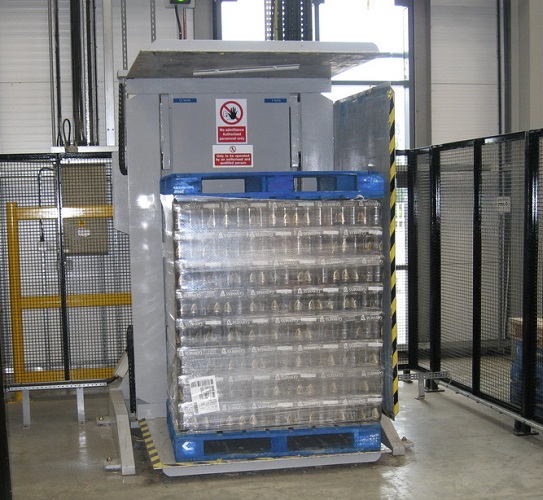
Pallet tipper
Vide singula →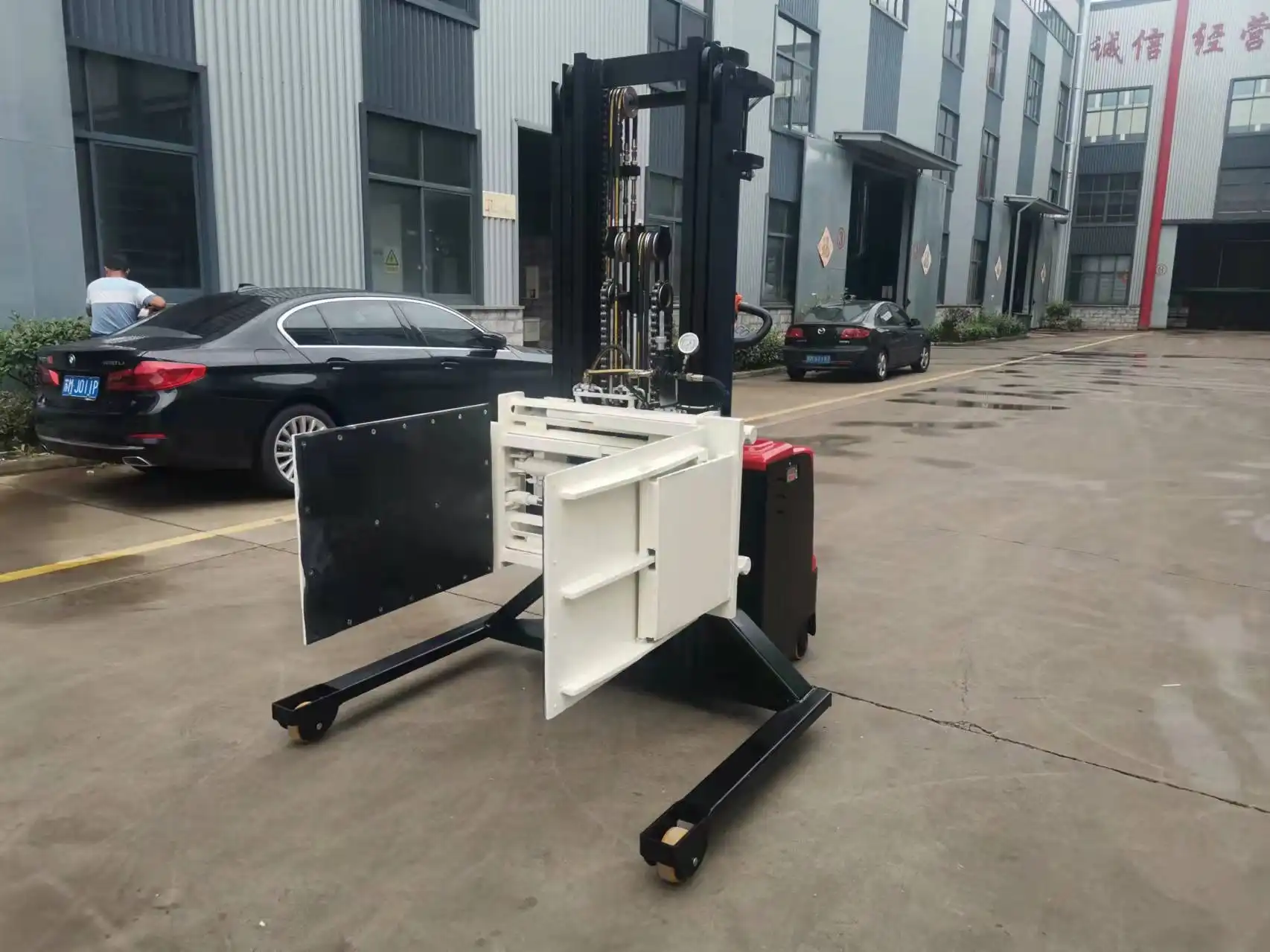
Mobile Pallet verso - Latus Press
Vide singula →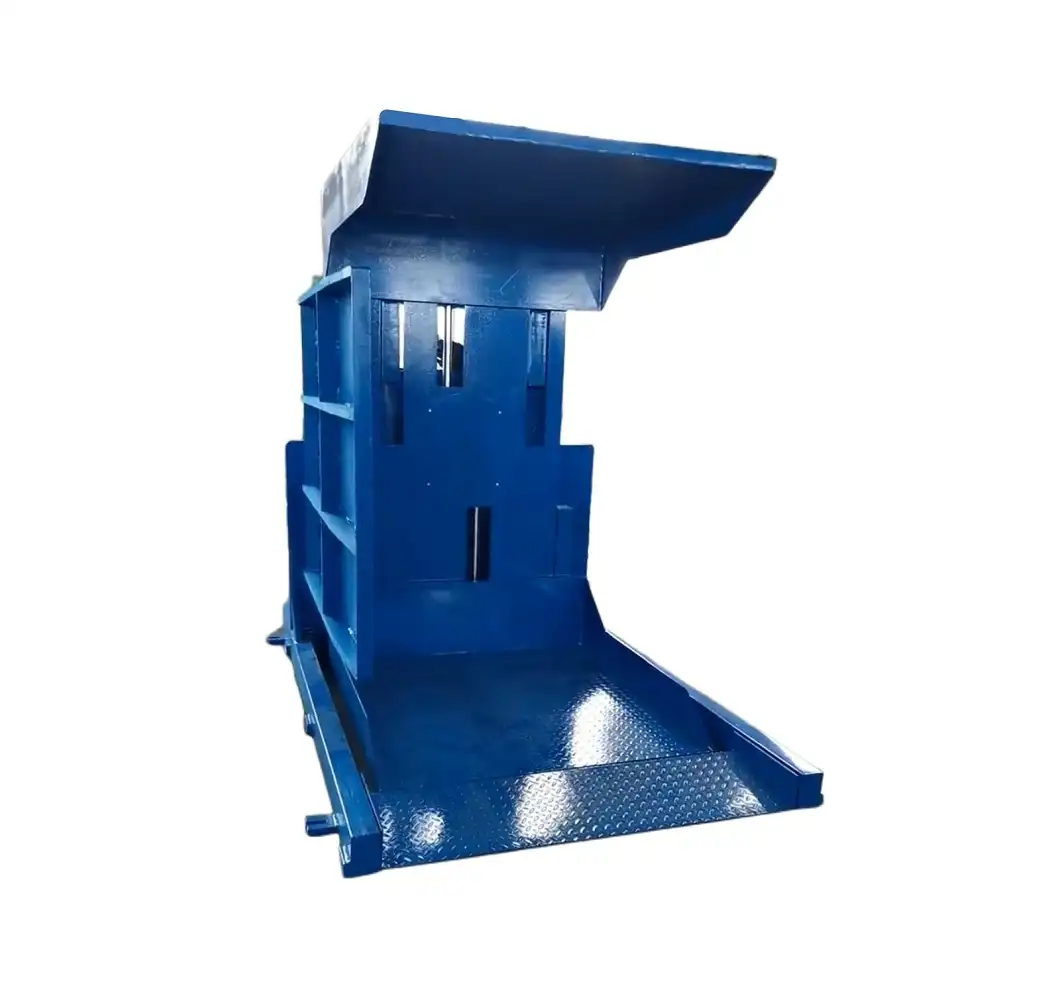
grabatus inverter | area gradu pertractatio
Vide singula →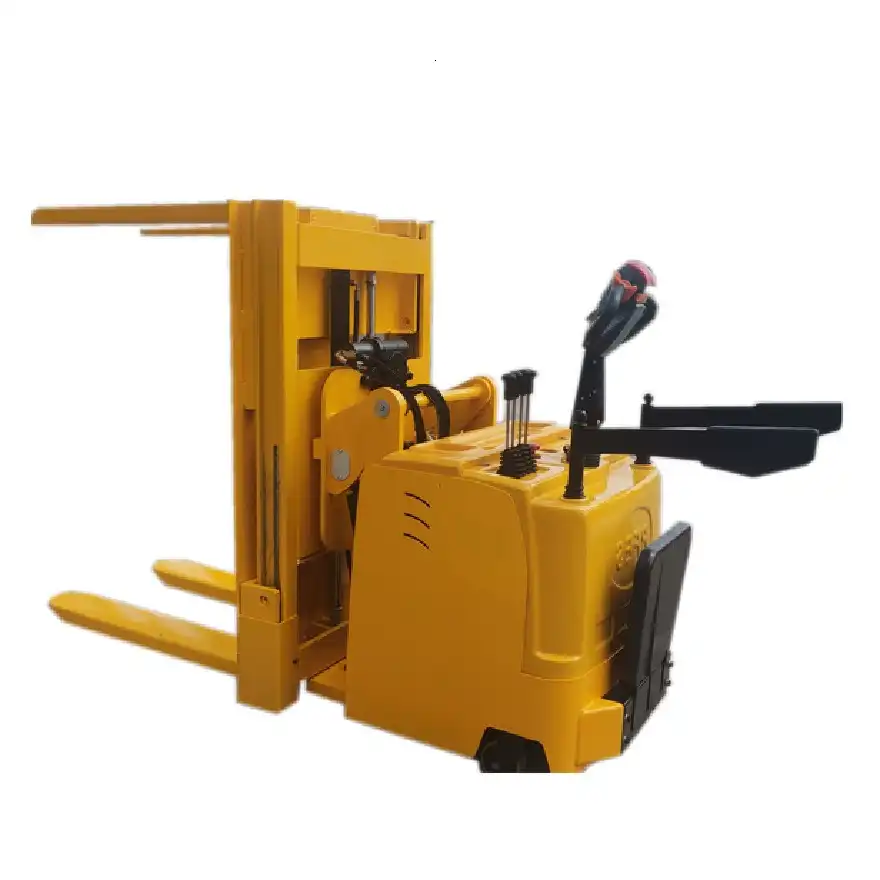
Mobile grabatum inverter
Vide singula →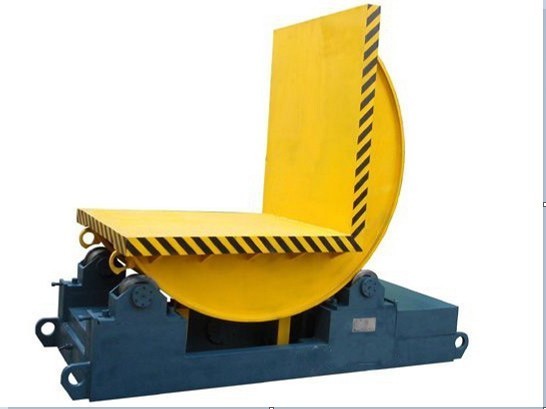
Fingunt Tilter / Mould Tilter
Vide singula →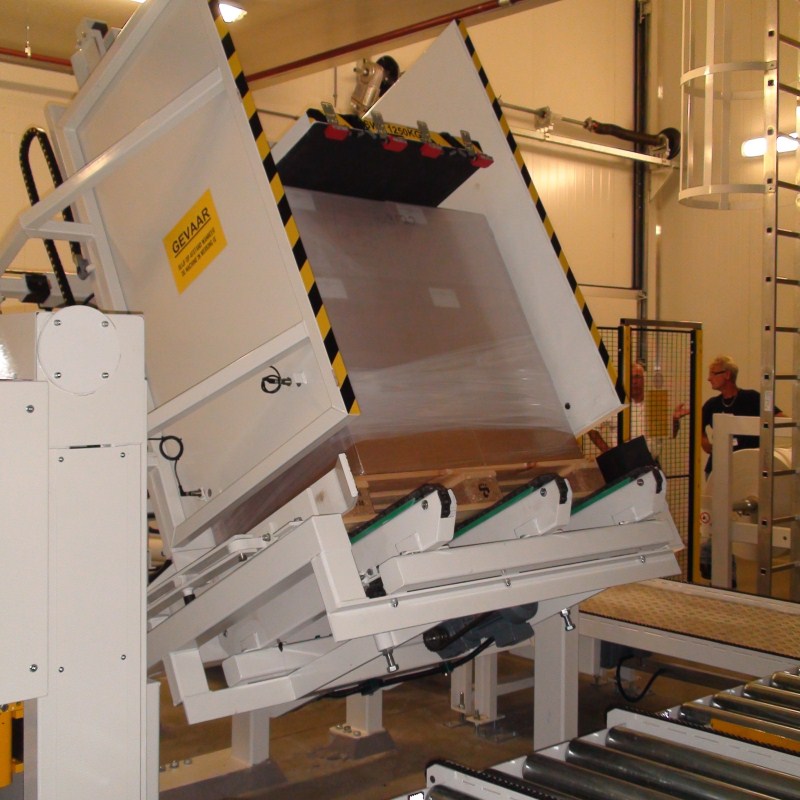
Inline grabatum mutante | grabatum mutato linea
Vide singula →
V figura grabatum mutante
Vide singula →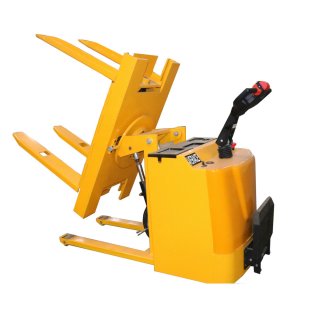
Mobile grabatum nummulariorum
Vide singula →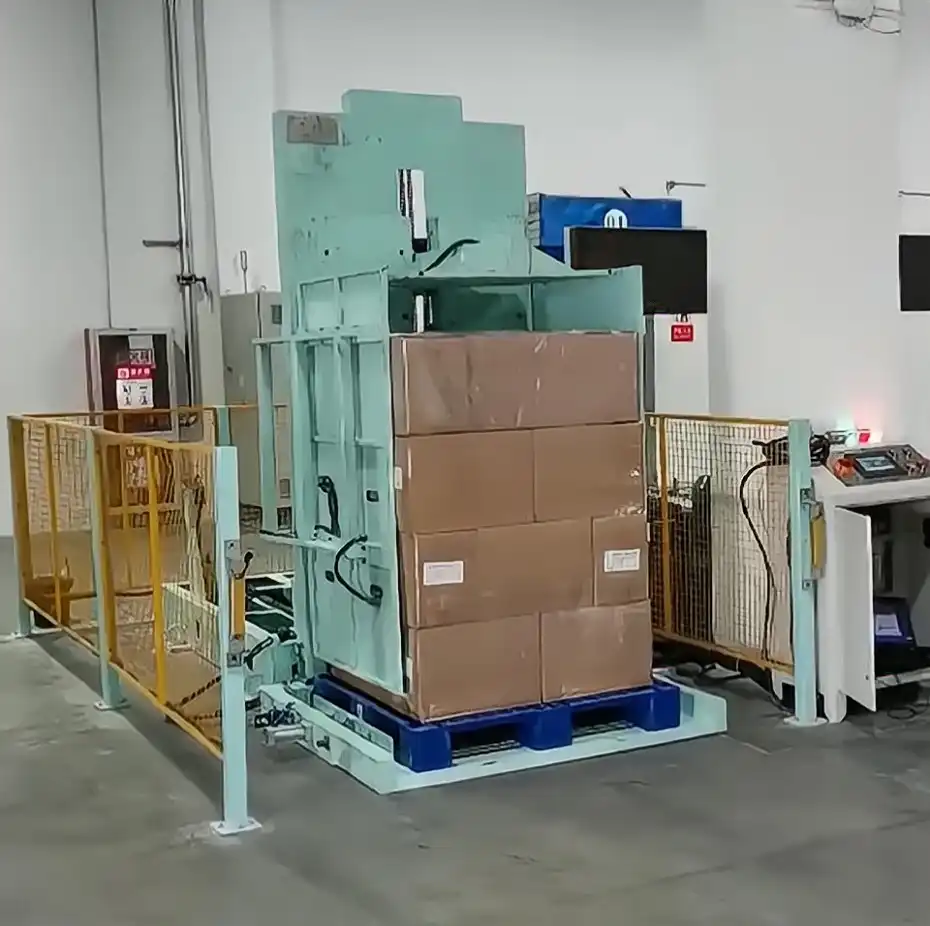
grabatum mutantur machina
Vide singula →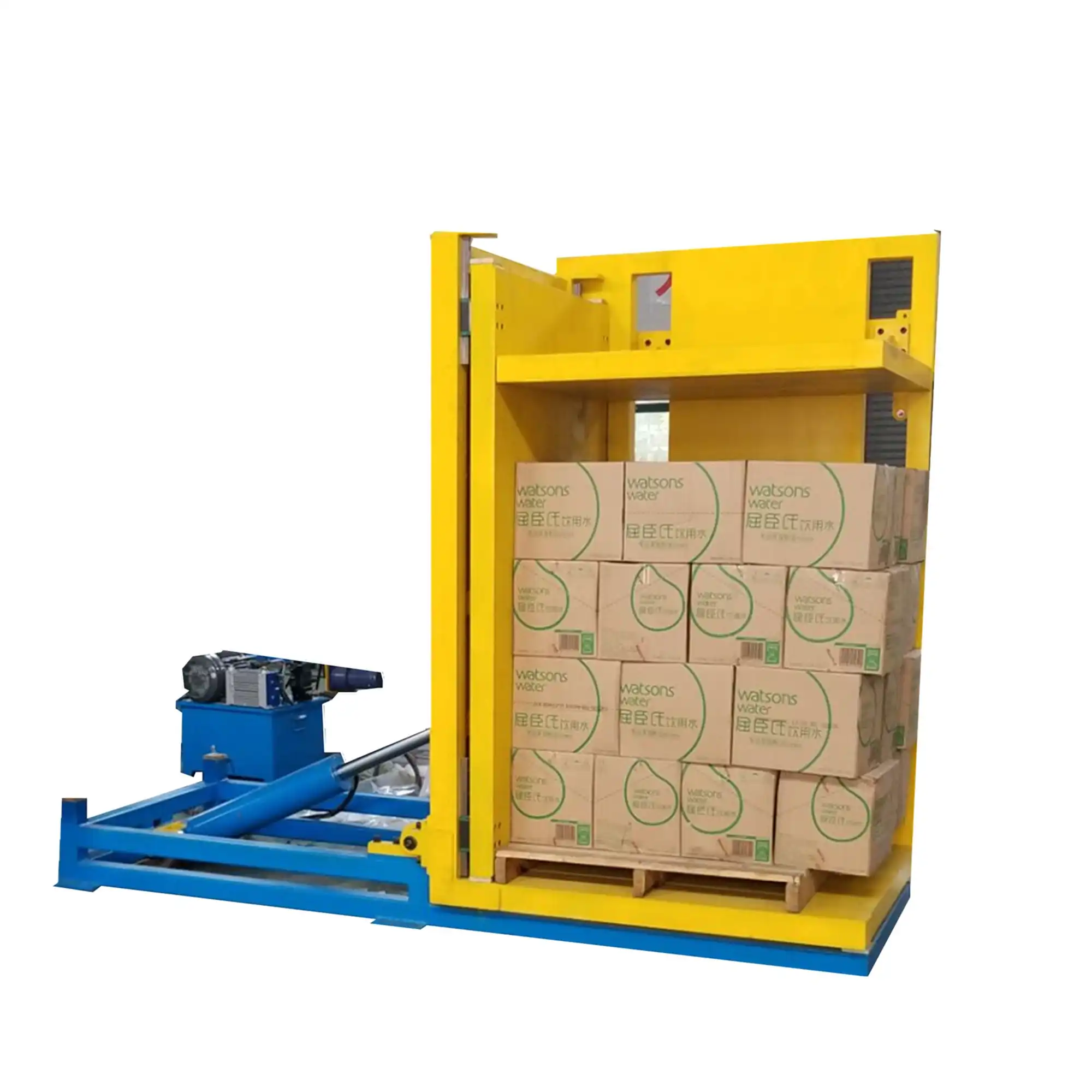
XCV ° grangia
Vide singula →
Pallet inverter-D series
Vide singula →
Pallet inverter-C series
Vide singula →
grabatum inverter-B series
Vide singula →
Parum Palet
Vide singula →
CLXXX° Pallet Inverter
Vide singula →
Pallet inverter-A series
Vide singula →