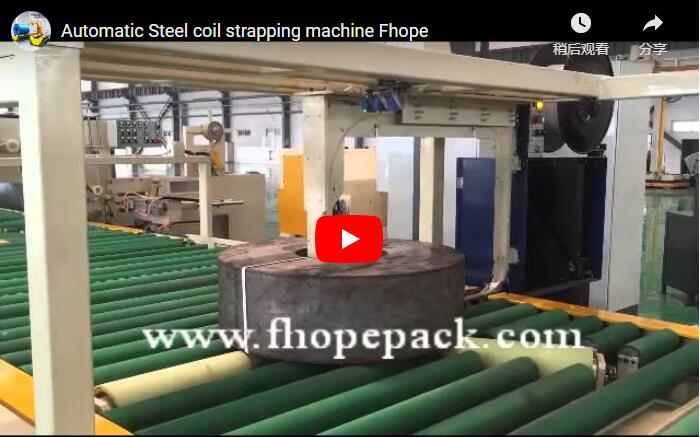
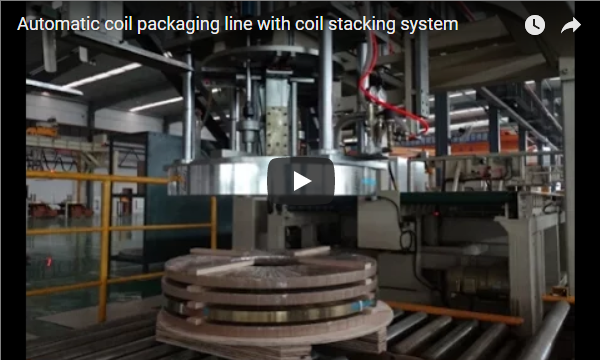
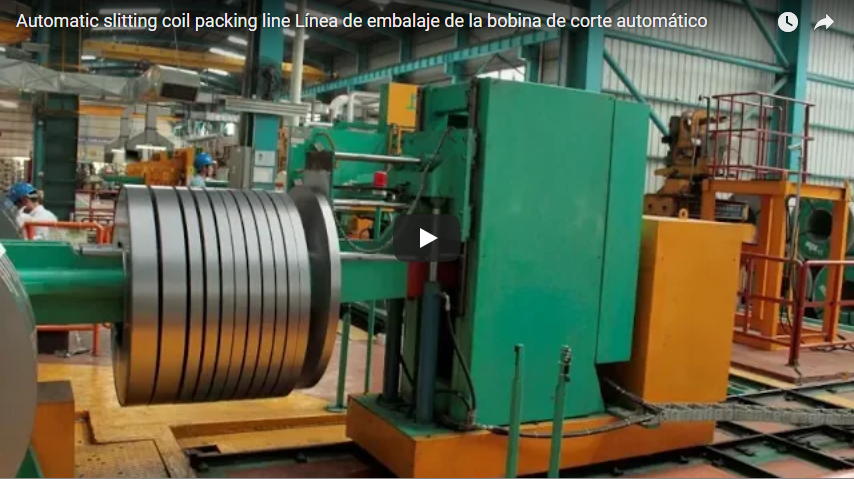
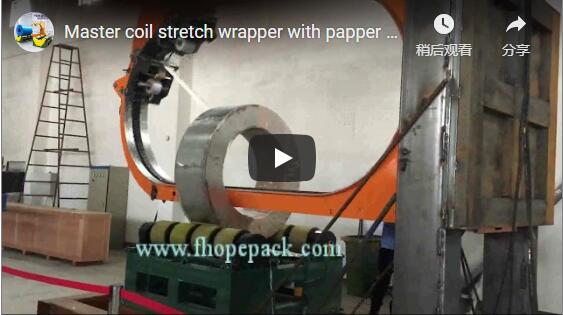
概要:当社の水平型鋼線巻き取り機は、ラインから鋼線を受け取り、センチメートル単位で計測し、サーボ駆動の巻き取りヘッドで一定のコイル状に巻き取り、設定された長さに切断して結束します。サーボホルダーがコイルを結束ステーションに運び、コイルの穴に2~4本のPPストラップを通して結束します。全工程は1つのタッチスクリーンで操作できるため、コイルの長さとサイズは設定値であり、オペレーターの判断は不要です。
目次
- コイラーの仕組み
- 目標重量に合わせてコイルの長さを設定する
- PPストラップがコイルを固定する方法
- ストラッピングデータ
- 動作中にコイルサイズを変更する
- 制御と安全
- 選択チェックリスト
- エンジニアリングに関するよくある質問
- 次のステップ
- 関連する読書
- ソース
コイラーの仕組み
この機械は、PLCとサーボシステムによって制御される4つの作業ユニットで構成されています。
| ユニット | 何それがありません |
|---|---|
| メーターカウンター | ワイヤーの長さをセンチメートル単位で測定し、カッターとコイルヘッドに信号を送る。 |
| コイリングヘッド | 上下に動いてワイヤーの端をつかみ、サーボ制御で通常のコイルを巻きます。 |
| ホルダー | 完成したコイルをクランプで固定し、サーボドライブで結束ステーションまで搬送する。 |
| 自動カッター | コイルが設定された長さに達すると、ワイヤーを切断します。 |
カウンターホイールはアルミニウム合金製です。上部ホイールには硬化セラミックコーティングが施され、下部ホイールにはワイヤーに跡がつかないようにゴムカバーが付いています。ワンウェイベアリングにより、ワイヤーの逆流を防ぎます。カッターブレードは特殊合金鋼製で、真空熱処理により硬度と長寿命を実現しています。
サーボ駆動のコイル巻き取りヘッドは、均一でしっかりとした層状に巻き取り、動画で紹介しているコイルがカッターで切断されるまで巻き上げられていきます。この規則的な巻き取りのおかげで、コイルをしっかりと結束でき、緩んだ巻きが飛び出すこともありません。
目標重量に合わせてコイルの長さを設定する
顧客は通常、ワイヤーコイルを重量で注文しますが、機械は長さで切断します。ワイヤーの断面積と鋼の密度(約7.85 g/cm³)を使用して、重量を重量に換算してください。
2.5mmワイヤーの例:
| Item | 値 |
|---|---|
| 電線径(例) | 20 mm |
| 断面積、π × 2.5² ÷ 4 | 4.91mm²の |
| メートル当たりの重量 | 38.5 gについて |
| コイルの長さ(例) | 500 m |
| コイル重量 | 約19.3 kg |
つまり、2.5mmのワイヤーを20kg巻くには、約520mの長さが必要です。タッチスクリーンでその長さを設定すると、メーターカウンターがすべてのコイルを同じ重量にカットします。

PPストラップがコイルを固定する方法
結束ユニットはアイスルー式で、各ストラップはコイルの中心を通り、外周を一周することで、すべての層をしっかりと固定します。ユニットはコイルを自動的に位置決めし、ストラップを送り込み、張力をかけ、摩擦振動溶接を行います。コイルの周囲には2~4本のストラップが巻かれ、接合部はコイルの前面に位置します。
溶接部は、ストラップの破断荷重の約75~80%を支えています。そのため、ストラップのサイズよりもストラップの本数が重要になります。ストラップの本数が多いほどコイルのバネ力を分散できるため、各接合部にかかる負荷が軽減されます。重くて硬いワイヤーコイルには4本のストラップが必要ですが、軽いコイルには2本で十分です。
可動式ホイールを備えたPPストラップ送り出しユニットは、ストラップを収納し、送り速度を信号で制御するため、ストラップがサイクル中に急に動いたり、不足したりすることはありません。
ストラッピングデータ
| Item | 値 |
|---|---|
| ストラップタイプ | 目を通す |
| コイルあたりのストラップ数 | 2-4 |
| ストラップタイプ | PP |
| ストラップの幅 | 8〜10 mm |
| ストラップの太さ | 20 mm |
| ジョイント | 摩擦振動溶接 |
| ジョイント効率 | ストラップの破断荷重の約75~80% |
| 関節の位置 | コイルの前面 |
動作中にコイルサイズを変更する
タッチスクリーン上で、オペレーターは巻線速度、コイル長、アラーム、リセットを設定します。コイルサイズの設定は、長さ、線径、線速度を変更することで、機械の稼働中でも変更できます。その後、新しいプログラムのために線路を停止することなく、次のコイルが新しいサイズに巻かれます。
結束の張力はコイルの種類ごとに調整可能なので、柔らかい焼きなまし線も硬いバネ線も、コイルを潰したり緩めたりすることなく、しっかりと結束することができます。
制御と安全
コイル巻き取りと結束のシーケンスは、タッチスクリーン、PLC、サーボシステムによって制御されます。コントロールパネルは機械フレーム上に設置されており、始動、緊急停止、リセットボタンはコイル巻き取りヘッド付近のオペレーターの手の届く範囲にあるため、オペレーターは機械の周囲を歩き回ることなく停止させることができます。
適用される規格は、販売先の市場によって異なります。CE市場の場合、ISO 12100はリスク評価方法を規定し、EN 415-10は包装機械に関する一般要件を規定しています。
鋼線コイル機の選定チェックリスト
- 電線グレードと直径範囲。
- コイルの重量または長さを注文してください。
- コイルの内径、外径、高さ。
- 有線回線の速度。
- コイルあたりのストラップの本数。
- 必要に応じて、固定後にさらに包装する。
- 地域電力供給。
エンジニアリングに関するよくある質問
Q:コイルの長さの精度はどのくらいですか? A:メーターカウンターがセンチメートル単位で計測し、カッターに信号を送るため、すべてのコイルは設定された長さに切断されます。
Q:コイルには何本のストラップが必要ですか? A:2~4本のPP製アイレットストラップが自動的に取り付けられます。ワイヤーが太い場合や硬い場合は、ストラップの本数を増やしてください。ストラップの本数が増えると、各ストラップにかかるコイルのバネ力が少なくなるためです。
Q:ストラップの接合部の強度はどのくらいですか? A:摩擦振動溶接部は、ストラップの破断荷重の約75~80%を支えます。
Q:機械を停止せずにコイルサイズを変更できますか? A:はい。機械の稼働中でも、タッチスクリーン上で長さ、線径、線速度を変更できます。
Q: 20kgのコイルの長さはどのように設定すればよいですか? A: コイルの重量を1メートルあたりの重量で割ります。2.5mmのワイヤーの場合、約38.5g/mなので、20kgのコイルには約520mの長さが必要です。
次のステップ
ワイヤー巻き取り・結束機の設計は、以下の3つのステップで行います。
- レイアウト図面を提出してください ワイヤーサイズ、コイル重量、ライン速度 info@fhoppack.com.
- 48時間以内に提案書をお届けしますコイル巻き取り機と結束バンドの配置図付き。
- 現地調査を予約する ワイヤーラインの送り出し部とコイル取り扱いエリアを確認する。
関連する読書
ソース
- 機械ユニット、制御装置、および結束に関するデータ: 鋼線巻線・結束機のページ
- 機械の動作: YouTube に当社の鋼線コイル機の動画があります
- コイル重量の例:計算例、参考値
- 規格の適用範囲: ISO 12100:2010, JP 415-10:2014
最終更新日: 2026年10月04日