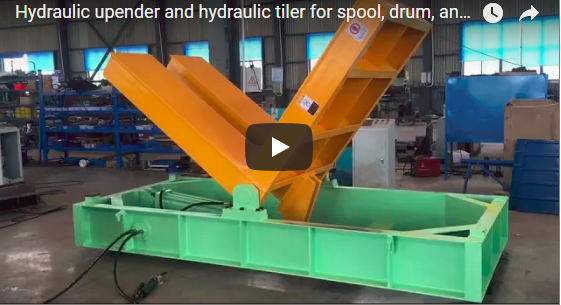
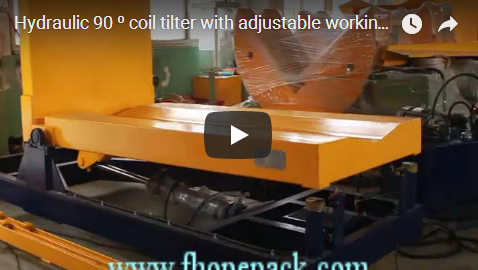
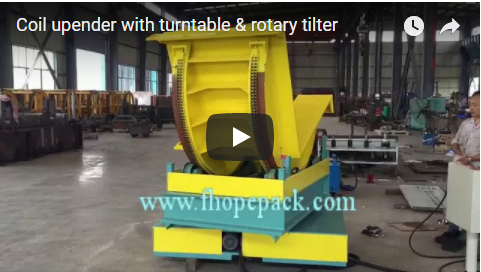
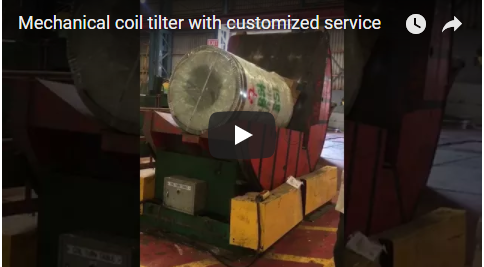
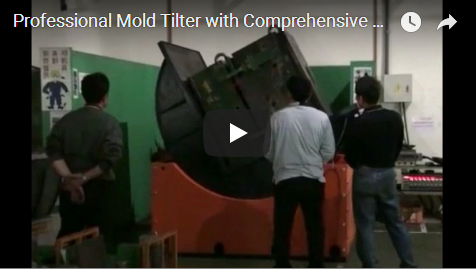
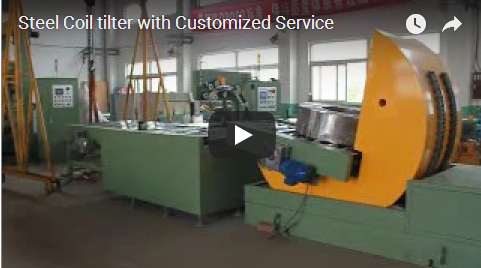
תקציר מנהלים: This page is for shops that still flip steel plates with a crane and want to know what that habit costs. It explains why a hook is the wrong tool for turning a plate, how a dedicated sheet flipper does the same job, and what to check before you buy one. The clip further down shows a flipper gripping a plate and raising it to vertical; it is a picture of the machine, not a claim about your floor.
https://www.fhopepack.com/Hydraulic/Steel-Sheet-Flipper-and-Upender-machine.html
בעמוד זה: מה דף זה עוזר לך להחליט · Why a crane is the wrong tool for the flip · How a dedicated flipper does the turn · מה שהקליפ מראה · מה לוודא לפני שמתחייבים · שאלות נפוצות · קריאה קשורה · שלב הבא
מה דף זה עוזר לך להחליט
A plate that has to change from flat to upright is a load waiting to swing. If that plate is on a crane hook, every turn depends on the sling, the hook and the person guiding it. This page shows what that habit costs, what a dedicated sheet flipper does instead, and what to ask before you buy one.
The clip further down shows one such flipper gripping a plate and raising it to vertical. Use it as a picture of the machine. The ratings, the guarding and the acceptance test come from the supplier, not from this video.
Why a crane is the wrong tool for the flip
A crane hook holds a plate at one point. Turn that plate and the centre of gravity swings wide of the sling line. The load can sway, catch an edge, or come off the hook.
Someone usually guides the swing. That person stands along the path the plate would take if it dropped. A swinging steel plate is not a load a tagline stops.
A crane is built to lift and to travel, not to rotate. Turning a plate with one takes two people, a signal and several trips. The hoist strains against a swinging load, and the sharp corners of the plate work against whoever stands near.
The hook also scars the stock. Slings and grabs dent edges and scratch surfaces. A plate that slips part-way lands a corner on a rack or on the floor.
None of that needs to happen daily before it adds up. Every sway, every dent and every near miss is time and sheet metal you do not get back.
How a dedicated flipper does the turn
A sheet flipper removes the swing by removing the hanging. The plate is gripped between two full-width platens, and the whole grip rotates on a controlled hydraulic arc. There is nothing to sway, because nothing hangs.
Four mechanisms carry the load, and each one is something you can put in writing.
- Full-width grip. The platens close across the whole plate, so the holding force spreads over the face instead of two sling points.
- קשת מבוקרת. The clamped platen tilts on a pivot, driven by hydraulics, at a steady speed.
- החזק במנוחה. A mechanical lock or an anti-return keeps the plate at the turned position until the next command.
- An operator away from the load. The cycle runs from a pendant or a panel, outside the arc and clear of the plate.
These four are the design class. The clip on this page shows that grip and that arc working once.
מה שהקליפ מראה
What the video shows is one turn on a steel sheet flipper. Direct observation notes from the sampled frames: two platens close on a large machined plate and hold it across its width. The clamped unit then rises from horizontal to near vertical, and returns to horizontal at the end of the clip.
A worker in the shop wears a mask throughout the clip, and a yellow hard hat goes on part-way through. The brand mark on the machine shows the maker, FHOPE GROUP.
The clip does not show a legible cycle time, a load rating, a guard, or an emergency stop operating. It does not compare crane costs against numbers. Take the footage as one working turn, and take the crane reasoning on this page as engineering judgement, not as a measurement made in this video.
מה לוודא לפני שמתחייבים
A video shows a turn. A purchase protects a shop. Before you sign, get the answers below in writing and keep them with the quotation.
| שאל את הספק | למה זה מחליט על הקנייה |
|---|---|
| The plate envelope the machine carries | The grip has to hold your heaviest plate, not the demo one |
| The rotation you need: 90 degrees, 180 degrees, or none | Unneeded rotation is unneeded cost and risk |
| How the platens grip the full width, and the clamping force | Two-point holding is how edges get dented and plates slip |
| היכן שיושבים השומרים, מערכת הנעילה ועצירת החירום | אלו הם פריטי בטיחות הרצפה שסרטון וידאו לא יכול להציג |
| תוכנית העוגן ושרטוט טביעת הרגל | An unanchored flipper is a hazard of its own |
| One uncut acceptance run on your own plate | The only proof of real sequence and timing |
שלח את זה לספק כפי שזה:
- Quote the plate envelope the machine must carry, and the rotation you need: 90 degrees, 180 degrees, or none.
- State how the platens grip the full width and what the clamping force is.
- רשום את המגנים, את האינטרול ואת עצירת החירום, והיכן כל אחד מהם מותקן.
- ספקו את תוכנית העיגון ואת שרטוט טביעת הרגל של הרצפה שלכם.
- Offer one uncut acceptance run on your own plate, with a visible clock.
- ציין את תפקיד המפעיל ואת ההכשרה הנלווית לאספקה.
שאלות נפוצות
Do I need a flipper, or is a crane fine for rare turns?
If a plate is turned a few times a week, a flipper may not pay for itself. If plates turn every day, or the people guiding the hook matter more than the dents, the comparison changes. Count the turns and the near misses before you decide.
האם אני יכול לשפוט את בטיחות הרצפה מהסרטון הזה?
Not on its own. The clip shows the grip and the arc working once. It does not show the guards, the interlock, a reachable emergency stop, or a load rating. Those come from the data sheet, the layout drawing, and one acceptance run.
What actually keeps the person safe during the flip?
Being outside the load arc is the first answer. Then a controlled speed, a mechanical hold at rest, and guarded pinch points. Ask for each in writing, and watch them work on acceptance day.
קריאה קשורה
- Steel sheet flipper and upender — the flipper family this page is about.
- מעלה עובש — tilting equipment for heavy mold loads with the same handling questions.
- סנפיר עובש — plate and mold flipping for stamping and die shops.
- Hydraulic upenders and tilters — the hydraulic drive class used for controlled load rotation.
- Mechanical upenders and tilters — the alternative drive class, for lighter and slower duty.
- קו אריזה סליל אוטומטי — where upending and tilting sit inside a finishing line.
שלב הבא
First, count what the crane actually does for you: how often you turn plates, and how many near misses you remember. Those two numbers decide whether a flipper pays for itself.
Second, send the supplier the six-question list above with your plate envelope, and ask for the answers in writing.
Third, book one uncut acceptance run on your own plate with a visible clock, and walk the floor with the layout drawing in hand. Use the דף קשר כדי להתחיל את החילוף הזה.
נבדק לאחרונה: 23-09-2026
פורסם: 2026-09-23