תקציר מנהלים A multi-ton mold is a financial asset and a safety hazard in the same steel box. A mold tilter rotates a heavy mold, die or casting on a powered platform, so workers can reach every side for service without chains, prying or risky lifts. Load capacity, platform size and tilt angle are configured per project.
תוכן העניינים
- Why rotate a mold at all
- What a tilter does
- אפשרויות כונן
- מרכיבי ליבה
- רצף פעולה
- בטיחות וארגונומיה
- תצורה טיפוסית
- מה שהסרטון מראה
- רשימת בדיקה לבחירה
- בקרות ובטיחות
- שאלות נפוצות בנושא הנדסה
- שלב הבא
- קריאה קשורה
- מקורות ותקנים
Why rotate a mold at all
Molds and dies spend most of their working life face-down on the press bed. The work surfaces that need the maintenance live on the underside and the sides, which means someone has to get under or behind the tool to reach them.
Rotating the mold puts the maintenance surface where the mechanic can stand. That is the entire point of a tilter: it eliminates awkward working postures and prevents hazardous reaching into tool recesses.
What a tilter does
A mold tilter carries the workpiece on a platform and rotates it to a set angle, most often 90 degrees, using a powered drive. A 90-degree tilt raises the mold from horizontal to an upright or edge-on position where both faces are reachable.
Larger versions rotate through 180 degrees or more so a complete service can happen without moving the mold twice.
אפשרויות כונן
| כונן | אופי |
|---|---|
| אלקטרו מכני | precise positioning, lower routine maintenance |
| הידראולי | high tilting force for very heavy tooling |
We select the drive from the load weight and how often the tool rotates. Electro-mechanical suits regular, precise cycles; hydraulic suits the heaviest castings and greatest force demands.
מרכיבי ליבה
| רכיב | תפקיד |
|---|---|
| מסגרת בסיס | carries the load and houses the drive |
| פלטפורמה מסתובבת | the surface the mold sits on |
| מערכת כונן | rotates the platform under power |
| לוח בקרה | pendant or remote operation with emergency stop |
| התקני בטיחות | limit switches, overload protection, locking |
רצף פעולה
- The mold is placed on the platform with a crane or forklift.
- The workpiece is centered and, where needed, secured.
- The operator tilts the platform to the set angle from the control.
- Service work is done on the now-accessible surface.
- The platform returns and the mold leaves the tilter.
בטיחות וארגונומיה
Tilting removes two hazards in one move: it stops workers from prying at heavy parts, and it keeps the load on a controlled platform instead of in a sling while it turns.
Keep the load centered and square on the platform, stay inside the rated capacity, and keep the area clear while the platform moves. The ergonomics win is quieter than the safety one but matters as much on an eight-hour shift.
תצורה טיפוסית
האיורים שלהלן הם מעטפות התחלתיות נפוצות עבור סוג מכונות זה ומאושרים לפי פרויקט.
| פרמטר | טווח טיפוסי, מאושר לפי פרויקט |
|---|---|
| טען קיבולת | from 1 t; sized to the heaviest tool, upper range confirmed per project |
| זווית הטיה | 90 degrees standard; up to 180 degrees and custom angles on request |
| גודל הפלטפורמה | sized to the mold footprint |
| Tilt speed | cycle time set to the workflow |
| כונן | electro-mechanical or hydraulic |
| אספקת חשמל | 220 V single phase or 380 V three phase, selected per project to the plant supply |
מה שהסרטון מראה
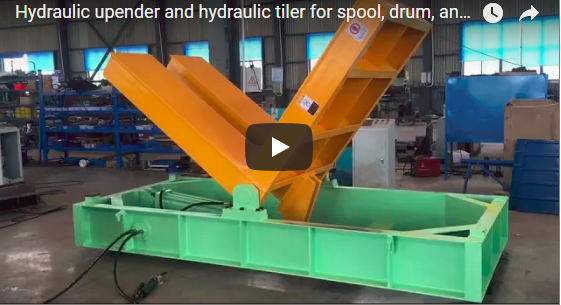
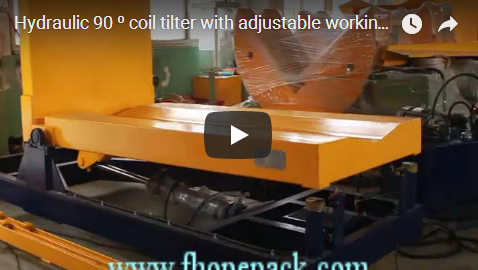
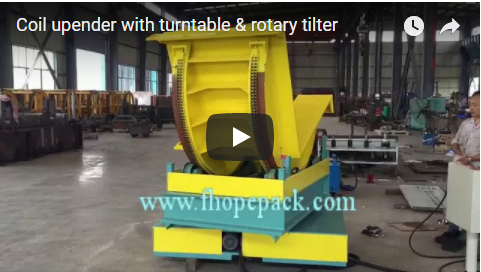
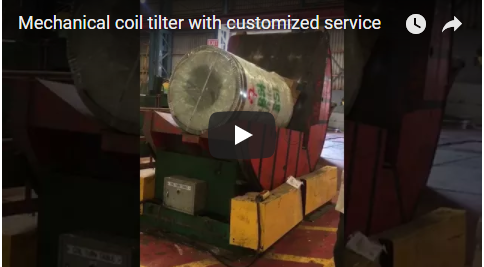
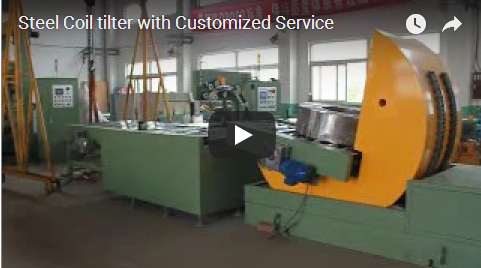
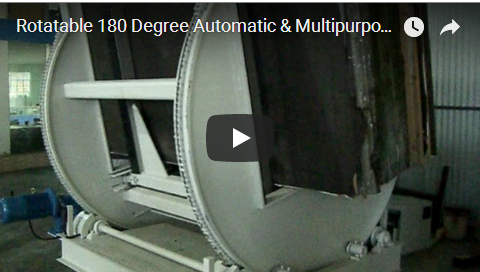
Our footage shows a tilter rotating a heavy tool on its platform in a workshop setting. It is a general demonstration, so capacity, platform size and tilt angle for your molds are confirmed with us per project.
רשימת בדיקה לבחירה
| שאלה | אישור לכל פרויקט |
|---|---|
| Heaviest mold | קיבולת עומס מדורגת |
| Largest footprint | platform length and width |
| Required angle | 90 degrees, 180 degrees or a custom angle |
| Cycle need | how often the tool rotates per shift |
| Drive choice | electro-mechanical or hydraulic |
| אספקת חשמל | מתח, פאזה ותדר באתר |
בקרות ובטיחות
Operation is from a pendant or remote control with start, stop, tilt forward and reverse, and an emergency stop. Keep the area clear while the platform moves, and keep the load centered and within the rated capacity. Routine inspection covers drive condition, platform travel and the safety devices, following the machine manual.
שאלות נפוצות בנושא הנדסה
Q: Can a mold tilter flip more than 90 degrees? A: Yes. Up to 180 degrees and custom angles are available; the angle is confirmed per project.
Q: Electro-mechanical or hydraulic? A: Electro-mechanical suits precise regular cycles with less routine maintenance; hydraulic is chosen for the heaviest tooling and highest force. We select with you per project.
Q: How is the load secured? A: Gravity retention suits balanced 90-degree cycles, mechanical clamps suit narrow footprints, and chains suit overhung loads. The method is selected per project from the mold’s center of gravity and the tilt angle.
Q: Can one operator run it? A: Yes. Loading uses a crane or forklift, and the tilting itself is a single-operator panel task.
Q: What capacity range is available? A: From about 1 t up to tens of tonnes; we size the platform and drive to your heaviest tool per project.
שלב הבא
- Email us at info@fhopepack.com with your heaviest mold or die and its footprint.
- We send capacity options, platform sizes and a layout drawing within 48 hours.
- We arrange a site survey to confirm the tilter fits your workshop bay.
קריאה קשורה
- Automatic & multipurpose tilter for box
- הטיה לסליל פלדה עם שירות מותאם אישית
- הטיית סליל ומעלה סליל
- קווי מוצרים של מכונות אריזה של FHOPE
מקורות ותקנים
- ISO 12100:2010 - בטיחות מכונות. עקרונות כלליים לתכנון, הערכת סיכונים והפחתת סיכונים
- EN 415-10:2014 - בטיחות מכונות אריזה. דרישות כלליות
- EN ISO 13849-1:2023 - בטיחות מכונות. חלקים הקשורים לבטיחות של מערכות בקרה
- FHOPE mold tilter demonstration video. Reviewed as a general demonstration; capacity, platform and angle confirmed per project.
נבדק לאחרונה: 10-10-2026