תקציר מנהלים
A steel coil fails in transit when its wrap is uneven: tension variability leaves weak points, and bare edges take on humidity. Automated steel coil wrapping standardizes the packaging steps, from centering the coil to strapping, rotary wrapping and sealing, so the coil travels protected and stable. We build coil wrapping and packing lines for mills and service centers. Coil range and film plan are confirmed per project.
תוכן העניינים
- Why steel coils fail in transit
- How the packing line works
- Centering and strapping
- Rotary wrapping for edge protection
- איטום וגימור
- אינטגרציה של קווים
- תצורה טיפוסית
- מה שהסרטון מראה
- רשימת בדיקה לבחירה
- תפעול ובטיחות
- שאלות נפוצות בנושא הנדסה
- שלב הבא
- קריאה קשורה
- מקורות ותקנים
Why steel coils fail in transit
Steel coil packaging fails in two places: uneven tension and bare edges. Hand-applied film and strapping vary from one operator to the next, leaving some coils with loose coverage that lets the layers slide and telescope under rail or ocean freight.
Exposed coil edges and inner diameters pick up humidity, condensation and particulate, which shows up as surface oxidation and a rejected shipment at the destination. Automated packing takes those two failure points out of the package by controlling tension and covering the edges every time.
How the packing line works
A coil packing line runs the coil through connected stations under one control sequence. The coil is loaded and centered, circumferential straps are applied, the coil passes through rotary stretch wrapping, and the package is sealed and finished.
Because the steps are joined by a common sequence, the package does not wait between stations and the wrap quality does not depend on who is at the machine. The line fits the coil flow of mills and service centers, confirmed per project.
Centering and strapping
The line starts by loading the coil into the centering station, where rollers align the coil centerline so every following step works on true geometry. Circumferential strapping then applies strap around the coil: steel for heavy-gauge bundles and high-tension duty, polyester for lighter gauges, selected per project.
The tension in each strap is controlled, so coils are bound with even force rather than the variable pull of manual tools. Strapping holds the coil itself together before the outer film goes on, and the strap placement follows the coil slitting and recoiling takt, confirmed per project.
Rotary wrapping for edge protection
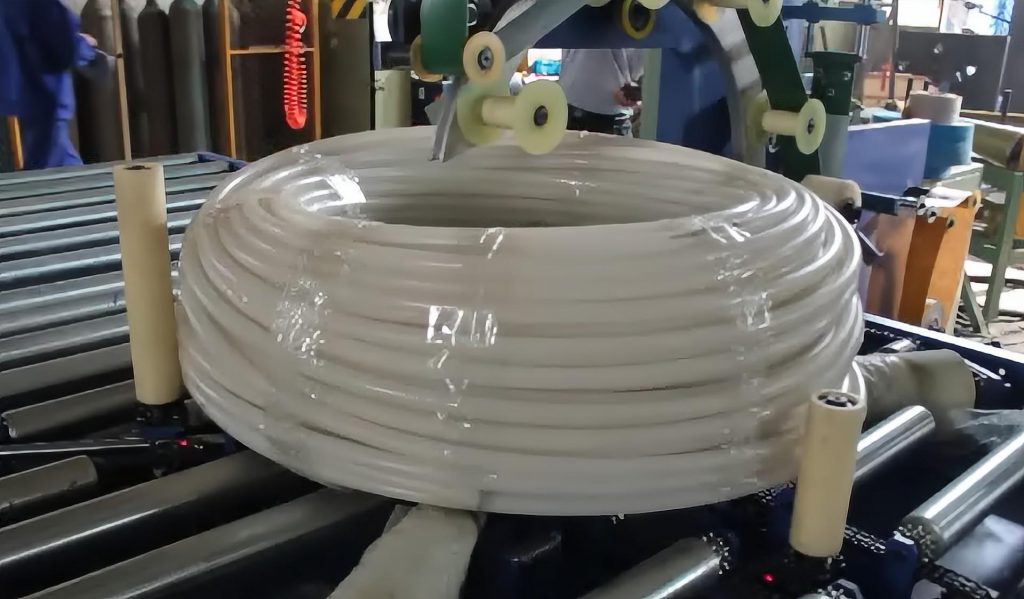
Rotary stretch wrapping then applies film around the circumference, with coverage controlled so the coil edges and inner diameter stay covered. Edge coverage is the part of the package that manual wrapping misses, and it is the part that keeps humidity and particulate away from the metal.
The film applies with consistent tension and overlap, so there are no weak points along the width of the coil. Wrapping with controlled overlap protects the surface from end to end.
איטום וגימור
The package is finished by sealing the film and securing the tail, so the coil leaves with a closed wrap rather than a loose end. Inline sealing holds the wrap intact through handling, and the finishing step runs automatically on every coil. A finished package is what lets the coil move through rail, ocean and yard handling without reopening, and it is confirmed against the coil’s transport route per project.
אינטגרציה של קווים
A coil packing line earns its place by matching the surrounding mill flow. It connects to upstream slitting and recoiling lines and hands the finished coil to weighing, storage or dispatch. When packaging runs at the takt of the mill, the line does not become the bottleneck that forces buffering or overtime. The conveyor interface, control integration and rhythm are confirmed per project so the packing line runs inside the mill flow rather than beside it.
תצורה טיפוסית
האיורים שלהלן מציגים גבולות תכנון פונקציונליים ולא ערכים מספריים, והם מאושרים לכל פרויקט.
| פרמטר | טווח טיפוסי, מאושר לפי פרויקט |
|---|---|
| סליל | OD, עין פנימית, רוחב, משקל |
| חָסוּן וְגָבוֹהָ | steel or poly strap |
| עטוף | rotary film, edge coverage |
| חותם | inline sealing and tail |
| קו | מסוע ובקרות |
| אספקת חשמל | 380 וולט תלת פאזי 50 הרץ, או 220 וולט חד פאזי למכונות קלות, לבחירה לפי הפרויקט |
מה שהסרטון מראה
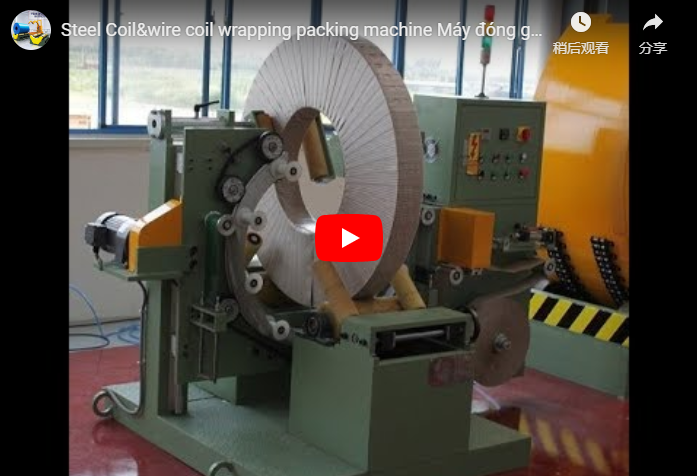
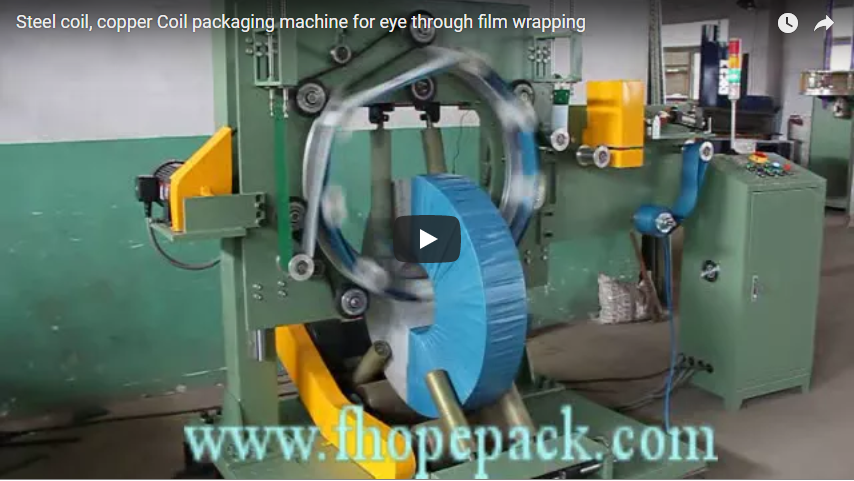
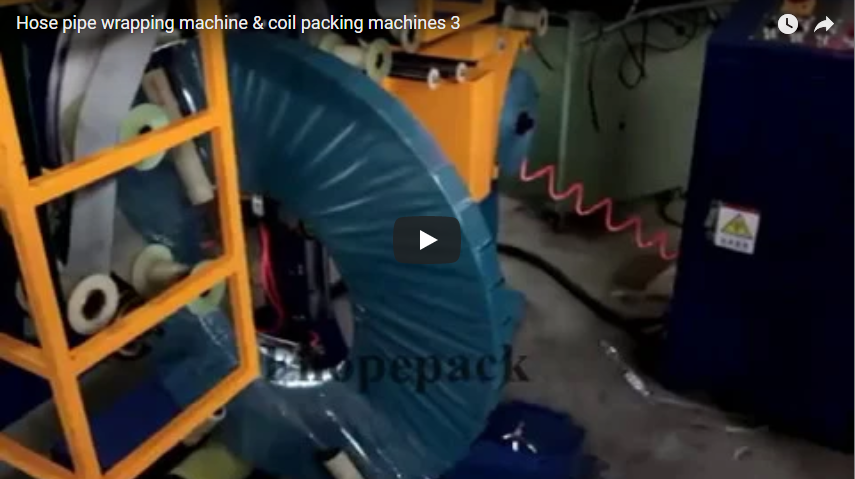
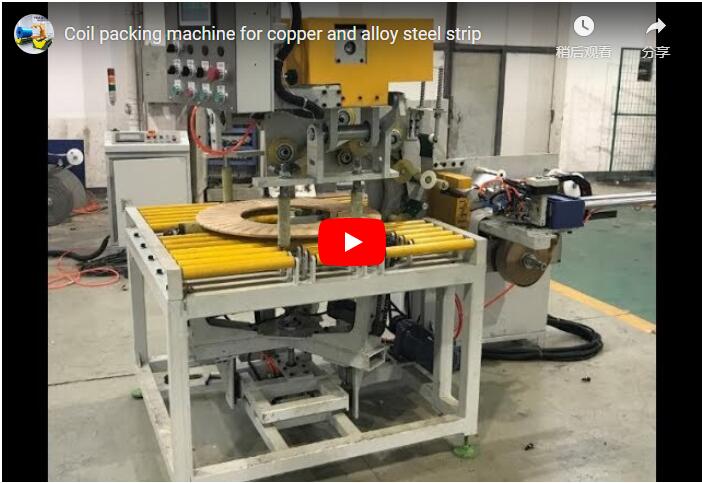
Our footage shows a steel coil wrapping and packing line running a coil through the wrapping stage. It is a general demonstration, so your coil range and film plan are confirmed with us per project.
רשימת בדיקה לבחירה
| שאלה | אישור לכל פרויקט |
|---|---|
| טווח סלילים | קוטר חיצוני (OD), עין, רוחב, משקל |
| חָסוּן וְגָבוֹהָ | חומר ומיקום |
| עטוף | overlap and edge coverage |
| חותם | inline finishing |
| קו | takt and controls |
| אספקת חשמל | מתח, פאזה ותדר באתר |
תפעול ובטיחות
Run the recipe from the panel and the line centers, straps, wraps and seals each coil automatically. Keep clear of the strapping head, film carriage and coil rotation while it runs, with guarding and emergency stops at the operator position. Routine checks cover the centering unit, strapping head, film carriage, seal mechanism and sensors, per the machine manual. Check film and strap supplies before each shift so packing never stops mid-run.
שאלות נפוצות בנושא הנדסה
Q: What causes steel coil transit damage? A: Uneven tension and exposed edges under humidity are the two main failure points, both removed by automated packaging.
Q: How does the line start? A: The coil is loaded and centered so every following step works on true geometry.
Q: Why strapping before wrapping? A: Strapping holds the coil itself together with controlled tension before the outer film goes on.
Q: How are the edges protected? A: Rotary wrapping covers the coil edges and inner diameter with consistent tension and overlap.
Q: Does the line match mill speed? A: It is integrated to the slitting and recoiling takt, confirmed per project.
שלב הבא
- Email us at info@fhopepack.com with your coil sizes, film and volumes.
- We send a coil packing line proposal and a layout drawing within 48 hours.
- We arrange a site survey to confirm coil range and line takt.
קריאה קשורה
- Coil wrapper with logo tapping: solutions for industry
- מכונת עטיפת סלילי פלדה
- תיאוריית מכונת אריזת סלילים אוטומטית
- קווי מוצרים של מכונות אריזה של FHOPE
מקורות ותקנים
- ISO 12100:2010 בטיחות מכונות, עקרונות כלליים לתכנון והערכת סיכונים
- EN 415-10:2014 בטיחות מכונות אריזה, דרישות כלליות
- EN ISO 13849-1:2023 בטיחות מכונות, חלקים הקשורים לבטיחות של מערכות בקרה
סרטון הדגמה של עיטוף ואריזת סלילי פלדה של FHOPE. נבדק כהדגמה כללית; טווח הסלילים אושר לפי פרויקט.
נבדק לאחרונה: 2026-10-10