Ringkasan
Orbital spiral wrapping uses a rotating ring to lay stretch film around a long cylindrical part while the part stays fixed along the machine centre line. For pipes, tubes and rod-like parts, this produces an even cover along the full length — including for small steel pipe bundles, where a stable wrap keeps the pipes aligned and prevents loosening in storage or on the truck. The machine wraps a single pipe or tube directly; bundle wrapping is arranged per project. This article explains the orbital spiral method and the inputs needed to size a solution.
Why orbital spiral wrapping for long parts
Long parts are difficult to wrap on a turntable: their length exceeds the turntable diameter. An orbital wrapper solves this by keeping the part stationary and rotating the film around it. The part is supported along the machine centre line, a ring frame carries the film roll, and the ring travels around the part while film feeds from above, so each revolution lays another spiral layer along the length.
The result is an even, repeatable wrap with consistent tension, which matters for two reasons. First, a steady film cover protects the surface from dust, scratching and moisture during handling and transport. Second, when several pipes are wrapped together, the film holds the group at a stable shape and prevents the bundle from loosening. Whether your product is wrapped as a single tube or grouped into a bundle is settled per project, because ring size, film feed and wrap spacing all depend on the part geometry.
How the ring wraps the work
The main structure is a floor-standing ring frame with a central axis. Support rollers hold the part on the axis, and a film feed above the part draws film from a roll through a guide so the web stays against the surface as the ring rotates. A drive at the base turns the ring and the film feed in one motion.
In operation, the part is set along the centre axis, the film end is fixed to the part, and the ring is started. As it rotates, the film wraps around the part and advances along the length, laying a spiral with controlled spacing and tension. Ring speed and film feed are set for the part type, per project, and an automatic cut stops the wrap at the programmed length.
Apa yang Ditunjukkan Rekaman Tersebut
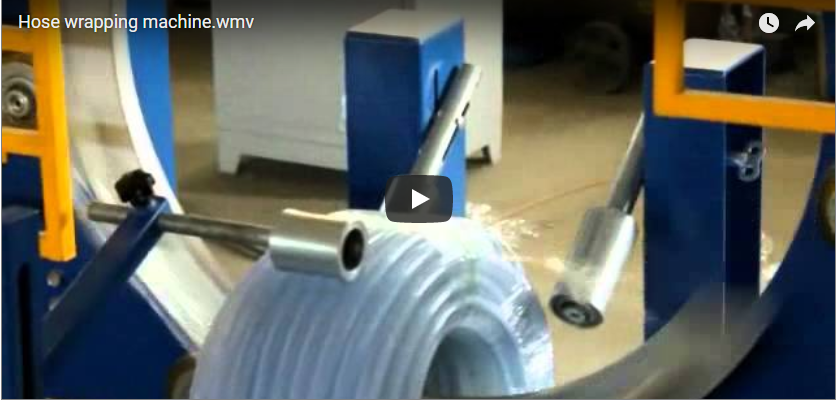
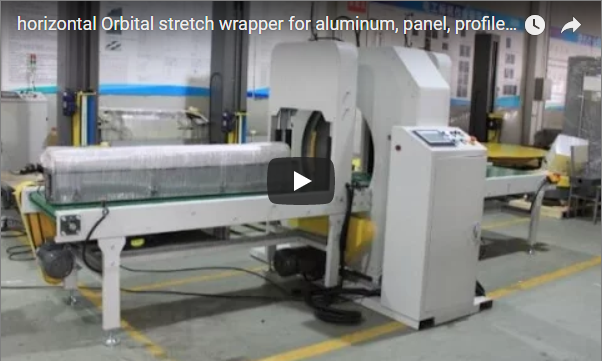
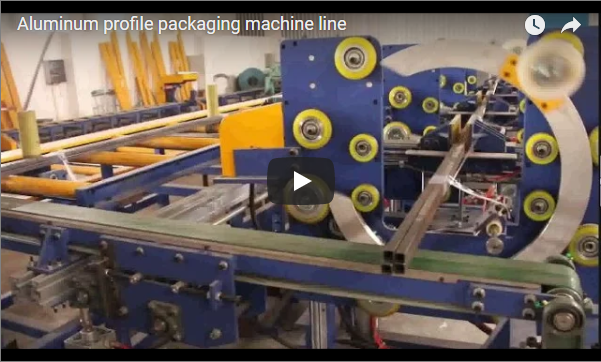
The video demonstrates the core orbital spiral method. A single long round pipe — the type used for either metal or plastic tube packaging — is guided along the machine centre line and wrapped at high speed by the rotating ring, with the film held flat against the surface. The footage shows the air-pressure and guide control that keeps the web in place, and the automatic cut at the end of the wrap.
The video does not bind the film cover to a specific pipe diameter, and it does not show a multi-pipe bundle being wrapped as a unit. Your pipe diameter, length, film grade and — if you wrap bundles — the bundle count and target shape are confirmed per project before the machine is configured.
Sizing inputs: from single pipes to bundles
Use the checklist below to gather what a supplier needs; all figures are confirmed per project and none are taken from the demonstration.
| Memasukkan | Apa yang harus diketahui pemasok |
|---|---|
| Bagian | diameter luar, panjang, dan berat |
| Film | type, width, wrap spacing and taper setting |
| Bundel | bundle count and target shape (for group wrapping) |
| Umpan | ring speed and film feed setting |
| kontrol | Tata letak kontrol dan penjagaan di sekitar ring. |
| Persediaan listrik | tegangan, fasa, dan frekuensi di lokasi |
Operasi, keselamatan, dan verifikasi
Set the part on the centre axis, fix the film end, and start the ring so the film feeds evenly along the length. Keep hands clear of the turning ring and the film feed while the part is turning. Routine checks cover the ring drive, the support rollers and the film guide, per the machine manual.
Before purchase, confirm with the manufacturer that the ring diameter clears your largest pipe or bundle, that the support rollers carry the part without sagging, and that the safety guarding fits your site. Machines of this family are designed with reference to EN 415-10 for packaging-machine safety and ISO 12100 for risk assessment; confirm the applicable standards for your installation. As a stated manufacturer practice for this machinery family, each unit goes through sustained functional and safety testing before delivery (about 24 hours where stated), including the control system and the emergency-stop function; treat this as the stated family practice for acceptance planning and confirm the specific test record for your unit.
FAQ (Pertanyaan Umum)
Q: What does an orbital spiral wrapper do?
A: It keeps a long pipe or tube stationary on the centre axis while a ring wraps film around it, laying a spiral cover along the length.
Q: Does the machine rotate the part or the film?
A: The part stays put; the ring rotates around it, which suits long parts that are awkward or heavy to turn on a turntable.
Q: Can it wrap a bundle of pipes as one unit?
A: Yes, group wrapping can be arranged for small steel pipe bundles, with the bundle count and target shape confirmed per project.
Q: What exactly is shown in the demonstration?
A: The video shows a single long round tube wrapped at high speed by the rotating ring; it does not fix a pipe diameter or show a bundle, so your dimensions are confirmed per project.
Q: What next step should a plant take?
A: Send your pipe length, diameter, weight and bundle requirements to the supplier so the ring size, film feed and controls can be quoted.
Langkah Selanjutnya
- Email info@fhopepack.com with your pipe length, diameter, weight and, if applicable, bundle count.
- Request a ring-wrapper proposal covering ring size, film feed and wrap spacing.
- Confirm the electrical supply and floor layout for your site.
- Steel Tube Bundle Strapping with a Moving Head — strapping step for securing pipe bundles after wrapping
- Hose Pipe Wrapping Machine & Steel Coil Packing — ring wrapping applied to hose and coil products