Ringkasan
Side-sealing and shrink packaging equipment wraps a rectangular flat part — a door blank, a door panel or another board — in film and shrinks the film tight in one pass. An operator places the panel at the infeed, a press plate heat-seals the film wrap at the trailing edge, and the covered panel travels through a shrink section where the film draws close onto the surface. This page is written for door plants and panel processors who currently cover long flat parts by hand and want a single, repeatable packaging step on the line. It explains the machine sequence, how the side-seal and shrink units work together, what to specify, and the checks to run at acceptance.
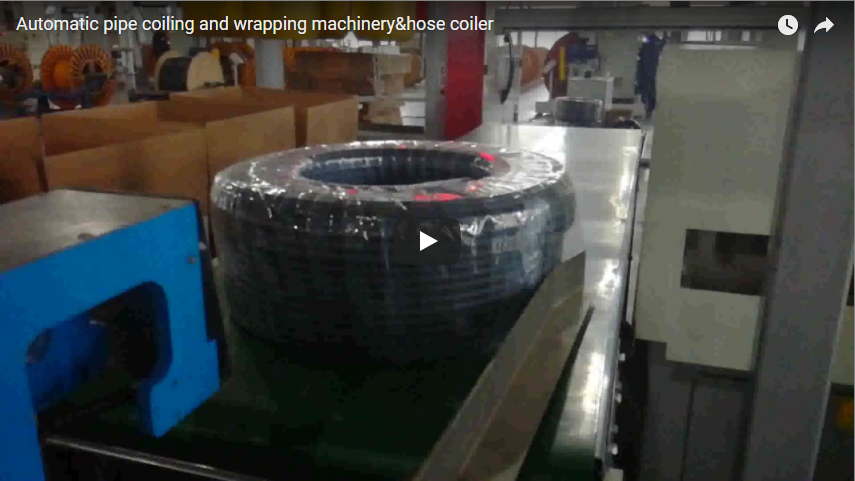
The video below shows a board being loaded, sealed and passed through the shrink section:
How the Side-Sealing and Shrink Cycle Runs
The machine handles one rectangular piece at a time along a straight conveyor line. The sequence repeats in clear steps:
| Langkah | Apa yang terjadi |
|---|---|
| umpan masuk | The panel is laid on the infeed conveyor and squared for the film path. |
| Wrap and side seal | Film is drawn around the panel and the press plate closes to heat-seal the wrap at the trailing edge. |
| Menyusut | The covered panel advances into the shrink section, where hot air tightens the film onto the face and edges. |
| Umpan keluar | The finished package leaves on the outfeed side, taut enough to stack or load directly. |
Because sealing and shrinking are in line, there is no handling step between them: the panel never leaves the conveyor until the film is tight. Board length, film grade and line speed are confirmed per project, because they set the seal temperature, the shrink-zone setting and the conveyor pace.
Why a Side Seal Replaces a Hand-Applied Cover
A door panel is large and easy to mark, and a loose film sheet moves in storage. Side-sealing gives a closed seam on the film rather than an open flap, and the shrink section seats the film flat against the panel so it stays put from the line to the customer.
Use this comparison to place the machine:
| Metode pengemasan | How it covers the panel | Peran khas | Ketika cocok |
|---|---|---|---|
| Hand-applied film sheet | Sheet laid and taped over the panel | Low volume, irregular parts | Pilot runs, low throughput |
| Side-sealing + shrink (this machine) | Film sealed at the seam, then shrunk tight in line | Long flat panels needing a dust-tight cover | Door blanks, boards, panels at steady volume |
| Pembungkus orbital | Film wrapped around a bundle on an orbital ring | Bundles and six-side coverage | Stacked or bundled panels |
The line does not rotate or tip the panel, so a long flat part passes in one direction without extra handling. This suits door plants and panel processors where the part is wider than it is tall and manual film application is the current bottleneck.
What to Specify Before Quotation
Send the following inputs so the machine is sized for the actual panel range. Every value is confirmed per project; the figures below are the information the vendor needs, not a fixed rating.
| Memasukkan | Apa yang ditentukannya |
|---|---|
| Panel length, width, thickness and edge profile | Conveyor width, infeed and outfeed size, shrink-section dimension |
| Film type, width and shrink behavior | Seal temperature, film path and tension settings |
| Target throughput per shift | Conveyor speed and automation level |
| Electrical supply at site (voltage, phase, frequency) | Drive and control build; confirm the light-machine option if applicable |
| Layout style (floor-mounted line, inline with an existing conveyor) | Footprint and integration into the current flow |
| Site utilities such as heat extraction near the shrink section | Installation plan and ventilation |
Operation and Safety Basics
The operator lays the panel on the infeed and starts the cycle; the press plate, conveyor and shrink section then run automatically. Keep hands clear of the press plate and the heated shrink zone while the machine is running, and follow the guarding and lockout procedure in the machine manual.
Routine checks cover the press plate, the conveyor path and the shrink section, and the film is re-seated before each pass. The machine is built with reference to packaging-machinery safety practice; the applicable expectations typically include a risk assessment to ISO 12100 and the general packaging-machine requirements of EN 415-10, with the exact guarding scope confirmed for the destination plant. As a stated manufacturer practice for this machinery family, each unit goes through sustained functional and safety testing before delivery (about 24 hours where stated), including the control system and the emergency-stop function; treat this as the stated family practice for acceptance planning and confirm the specific test record for your unit.
FAQ (Pertanyaan Umum)
Q: What does this machine do?
A: It wraps long flat panels — door blanks, door panels and boards — in film and shrinks the film tight, so the panel leaves the line sealed and ready to stack.
Q: How is the film closed?
A: The press plate closes over the film at the infeed and heat-seals the wrap at the trailing edge before the panel enters the shrink section.
Q: Do our operators load each panel by hand?
A: The footage shows manual loading at the infeed, which suits long panels; automatic feeding is arranged where the required throughput makes continuous infeed necessary.
Q: Can it handle our door dimensions?
A: Panel length, width and edge profile are confirmed per project before the machine is quoted for your exact part range.
Q: What products does it suit?
A: Long flat panels that need a tight, scratch- and dust-protecting film cover for storage or delivery, such as door boards and panel blanks.
Langkah Selanjutnya
- Contact info@fhopepack.com with your panel length, width and thickness and the target throughput per shift.
- FHOPE returns a side-sealing and shrink packaging proposal for your panel range.
- The shrink-section layout, electrical supply and site access are confirmed with you before installation.
- Mesin Pengemasan Susut Papan Pintu Kayu – Shrink packaging for wood boards and door plates in the same family.
- Sealed Packaging of EPS Insulation Panels – Stretch Hood Bag Packing – Protecting flat insulation panels with a sealed film cover.