How Do You Make a Coil Wrapping Recipe Repeatable?
If your wrapping quality changes with the shift, the recipe lives in someone's head. This guide shows how to lock tension, overlap, and material consumption into a recorded, testable recipe tied to the finished coil.
Film Tension, Overlap and Material Consumption: How to Set a Repeatable Recipe
Film Tension, Overlap and Material Consumption: How to Set a Repeatable Recipe
A repeatable wrapping recipe is more than a film type. It is a set of parameters that can be recorded, transferred to another shift, and verified on the finished package. Tension, overlap, speed, and material consumption are the variables that determine both quality and cost.
This guide helps process engineers, operators, and quality teams build a testable wrapping recipe on an automatikus tekercscsomagoló sor.
| Recept paraméter | Amit meghatároz |
|---|---|
| Feszültség | Tightness, film elongation, and edge damage risk |
| Átfedés | Coverage percentage and layer pattern |
| Sebesség | Ring, roller, and material feed match |
| Anyag | Film type, width, and lot |
| Fogyasztás | Measured film use versus theoretical use |
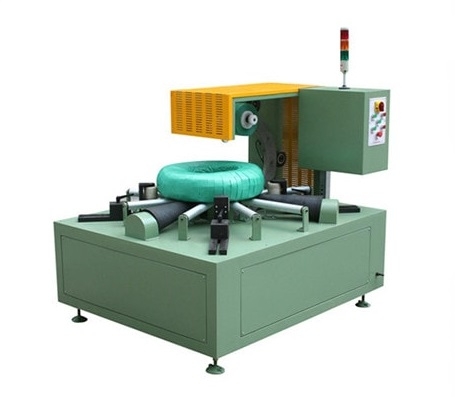
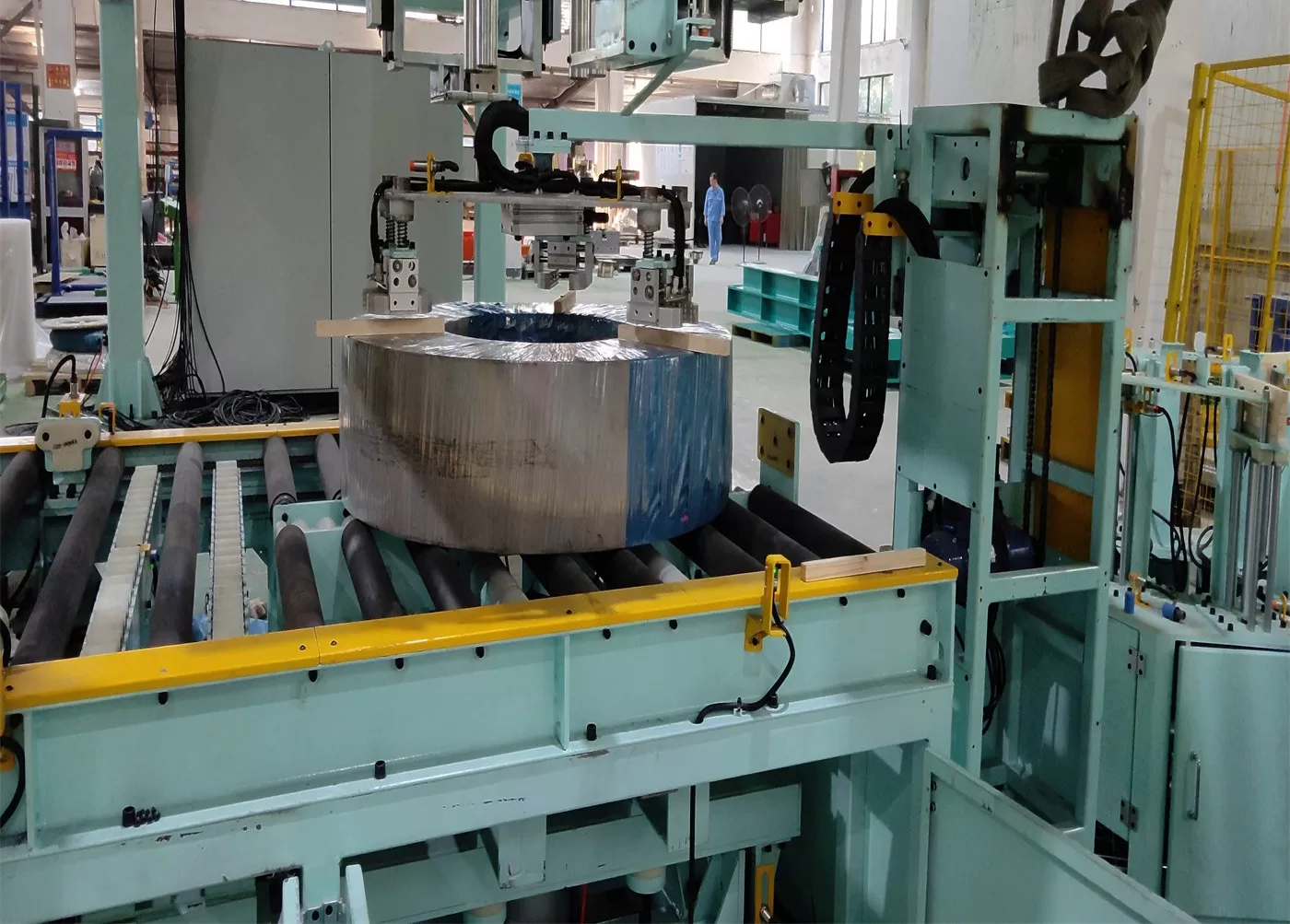
The image shows an automatic steel coil packing machine. The recipe is set on this machine and verified on the finished coil, so the parameters and the result are recorded together.
Define the Package Result First
State the required coverage, overlap, tightness, tail seal, and protection level for each product family. The recipe should be written from the result backward.
Without a defined result, changing tension or overlap becomes a preference.
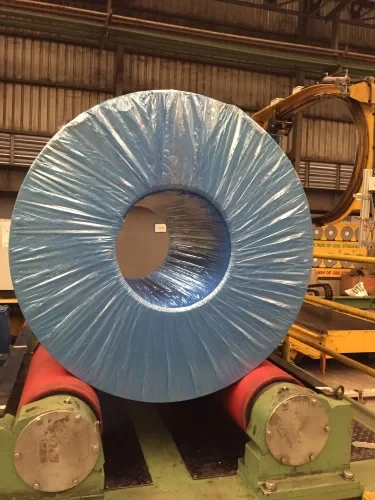
The image shows a coil wrapped with VCI stretch film. The finished package is the reference for the recipe: coverage, overlap, and tail seal are checked against the result, not against the display settings.
Understand Tension
Film tension affects tightness, package stability, film elongation, and the risk of cutting the coil edge or tearing the film. Too little tension creates a loose package; too much can damage the surface or break the film.
Record the tension setting for each family and check the result on the coil, not only on the display.
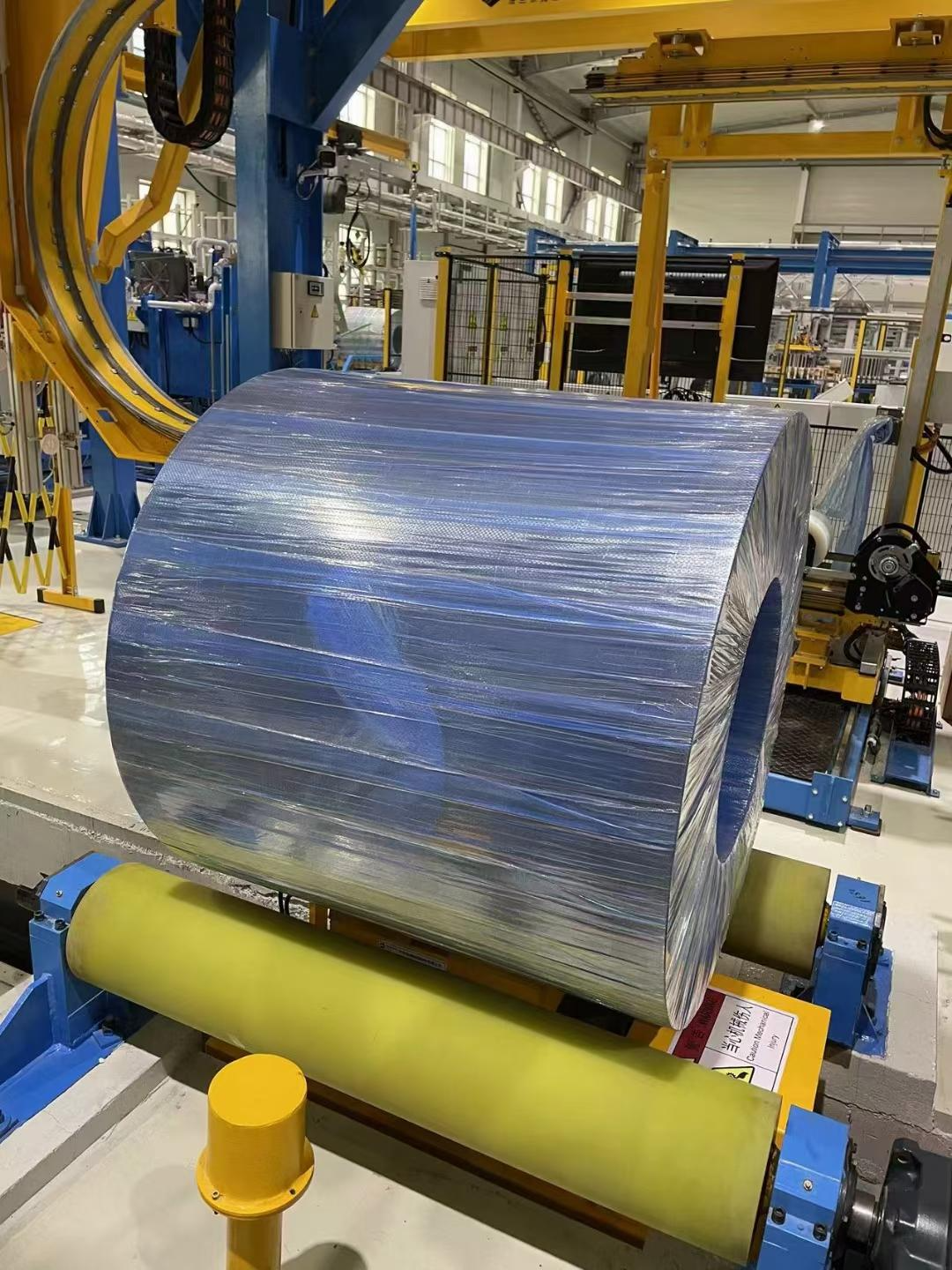
The image shows VCI stretch film and an automatic film setup. The tension setting must match the film type and the coil surface, and the result must be verified on the finished package.
Set Overlap as a Percentage
Overlap is usually expressed as a percentage of the film width and should be measured on the actual wrap. The value may range from partial overlap to multi-layer coverage depending on the protection requirement.
Do not confuse overlap with the number of full layers. Both should be defined in the recipe.
Connect Speed and Motion
Ring speed, roller speed, and material feed speed must be matched to the coil dimensions and the film path. A recipe that works for one width may produce different coverage on another.
Use the machine's parameters, then verify the pattern with a test coil.
Track Material Consumption
Measure the actual film length or weight used per coil and compare it with the theoretical value. Material consumption is a useful check on the recipe and a cost input for ROI.
Record the film lot or specification when consumption changes, because the material itself can vary.
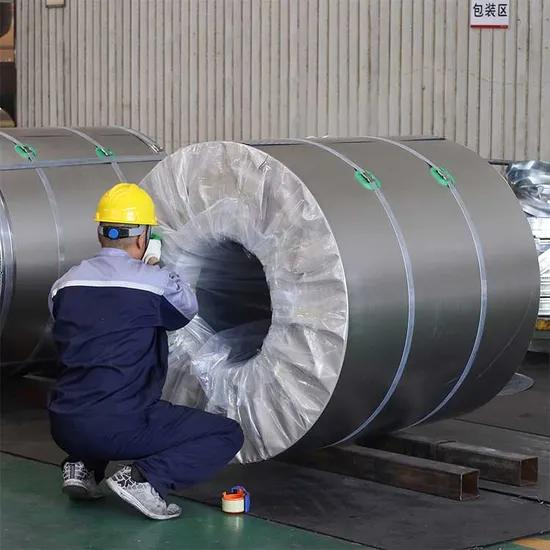
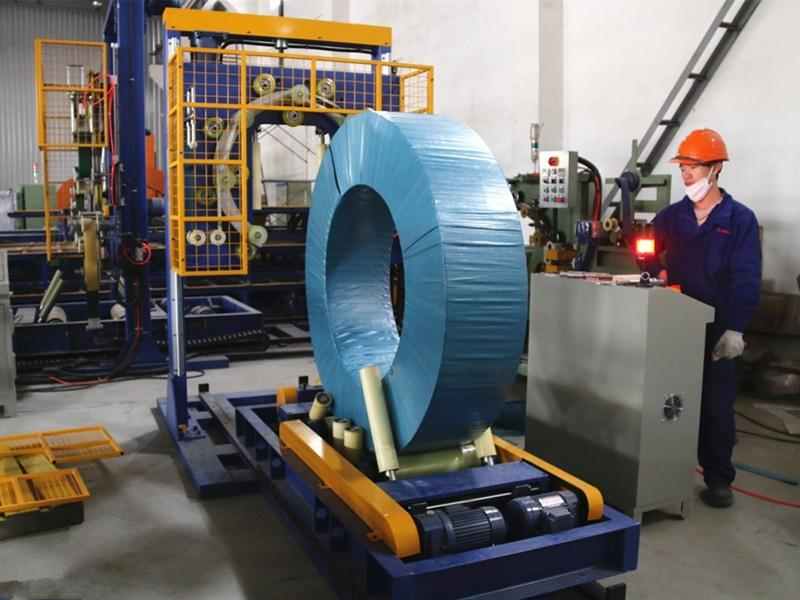
The image shows a VCI stretch film setup with an operator. Film lot, width, and consumption should be recorded so a change in material is visible in the recipe history.
Make the Recipe Visible and Auditable
Store the recipe with the product family, material, dimensions, and inspection result. The next shift should be able to load the same recipe and confirm the same package.
If a change improves quality, document it and verify it on more than one coil.
Gyakorlati következő lépés
Create a one-page recipe table with tension, overlap, speed, film, and acceptance check per family. Run a test coil for each family and record the measured result.
Keep the same recipe table visible for the automatikus tekercscsomagoló sor configuration and update it whenever the material or product family changes.
Nézze meg egy tekercselőgép működését stretch fóliával és szőtt anyaggal:

Vizuális részletek

Kattintson a nagyításhoz

Kattintson a nagyításhoz

Kattintson a nagyításhoz

Kattintson a nagyításhoz
Nézze meg, hogyan működik
Fedezze fel, hogyan optimalizálják automatizált csomagolási megoldásaink a gyártósori hatékonyságot. Ez a videó bemutatja a maximális védelem érdekében tervezett zökkenőmentes működést.
Megbízható Acélgyárak és iparági vezetők
A globális gyártók az FHOPE nagy teherbírású csomagológépeire támaszkodnak


Készen áll a csomagolósor optimalizálására?
Kérjen egyedi árajánlatot megtérülési elemzéssel. Mérnökeink 24 órán belül válaszolnak.
- Ingyenes elrendezés
- Globális telepítési támogatás
- 2 év garanciát tartalmaz
Az adataid biztonságban vannak, és soha nem kerülnek megosztásra.
Kapcsolódó gépek
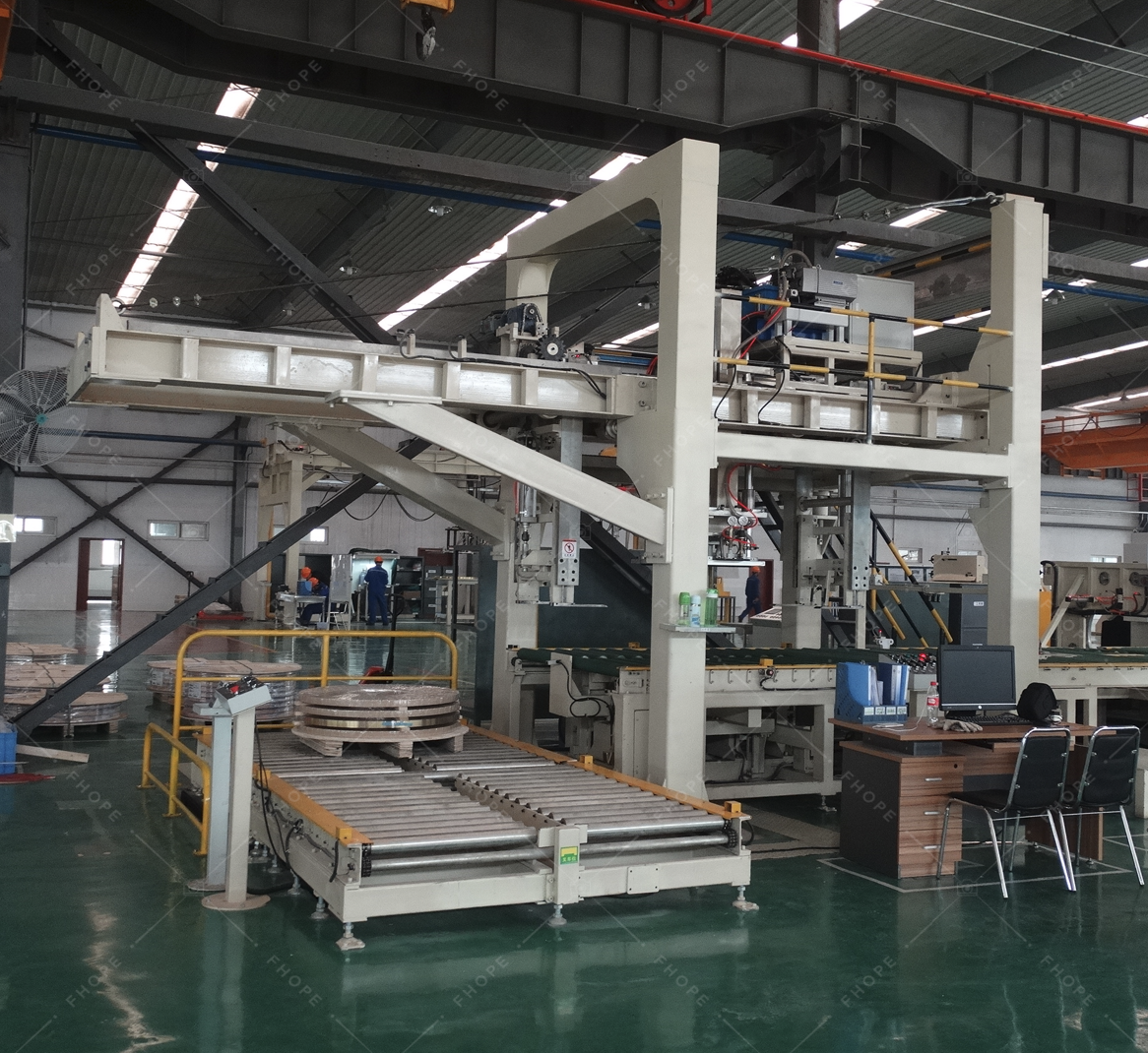
Acéltekercs csomagolósor
Részletek megtekintése →
Függőleges tekercs csomagolósor
Részletek megtekintése →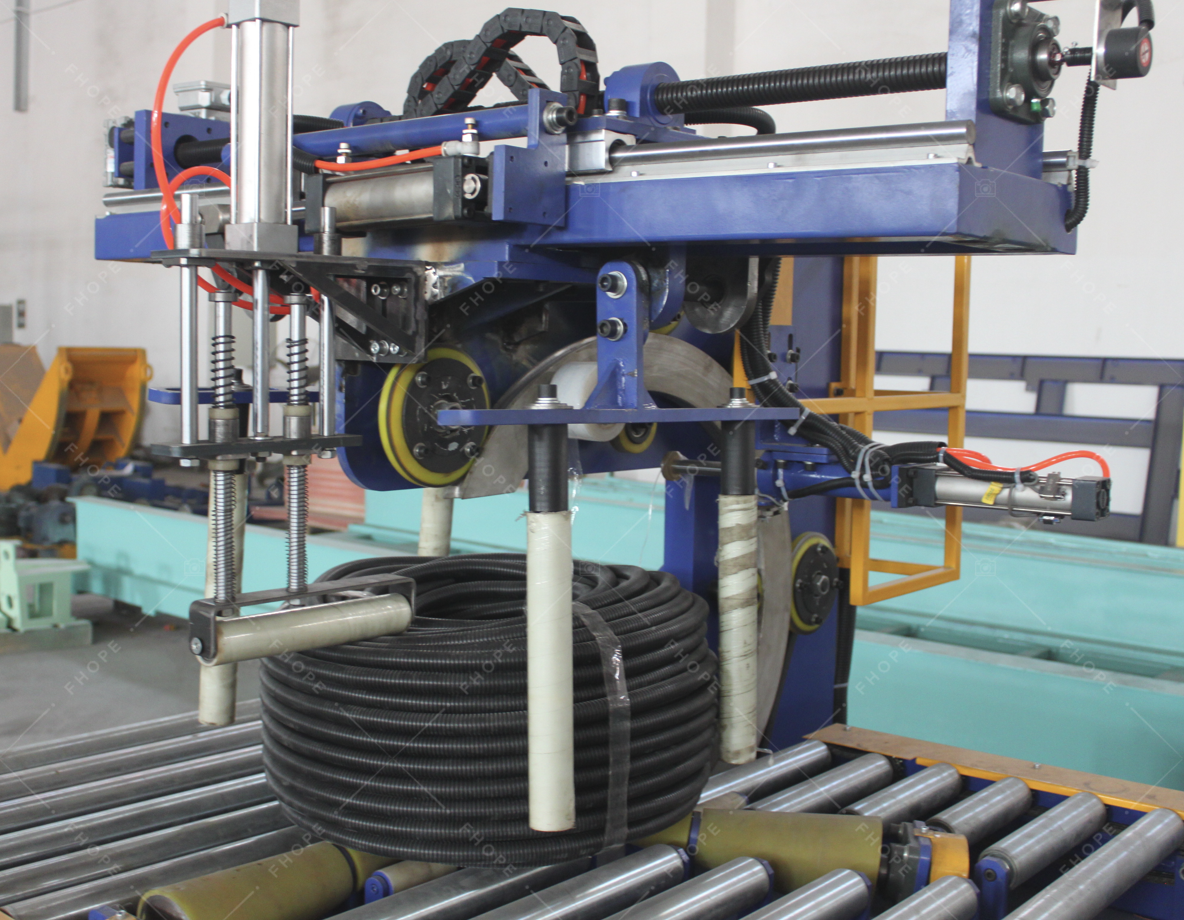
Tömlőtekercs csomagolósor
Részletek megtekintése →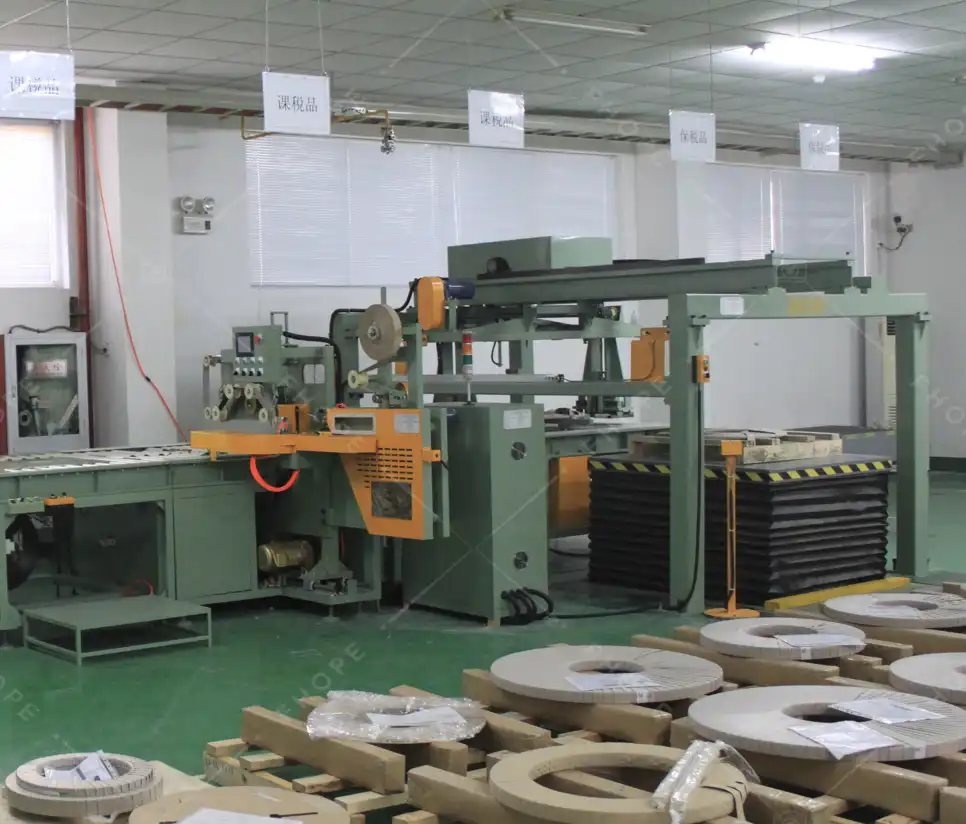
Réztekercs csomagolósor
Részletek megtekintése →
Huzaltekercs csomagolósor
Részletek megtekintése →
Panel csomagolás vonal
Részletek megtekintése →
Csőzsákoló gép
Részletek megtekintése →
Alumínium profil csomagolósor
Részletek megtekintése →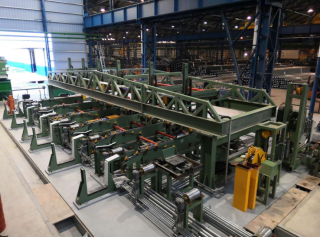
FHOPE Automatikus csőkötegelő és -pántoló vonal
Részletek megtekintése →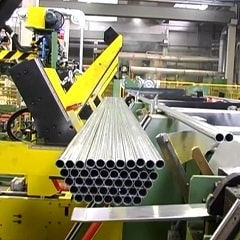
Automatikus csőkötegelő és pántoló sor
Részletek megtekintése →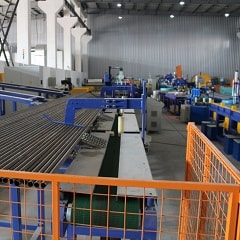
Automata acélcső pántoló gép
Részletek megtekintése →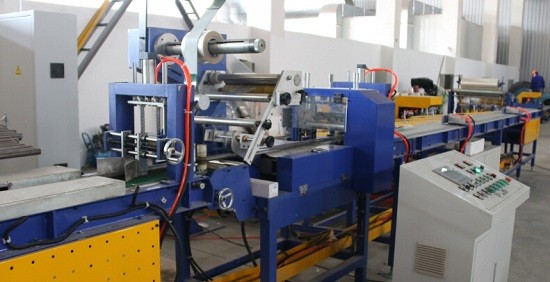
FHOPE Automata acélcső csomagológép
Részletek megtekintése →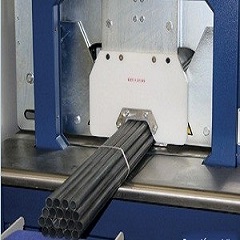
Automata műanyag csőszíjazó csomagolósor
Részletek megtekintése →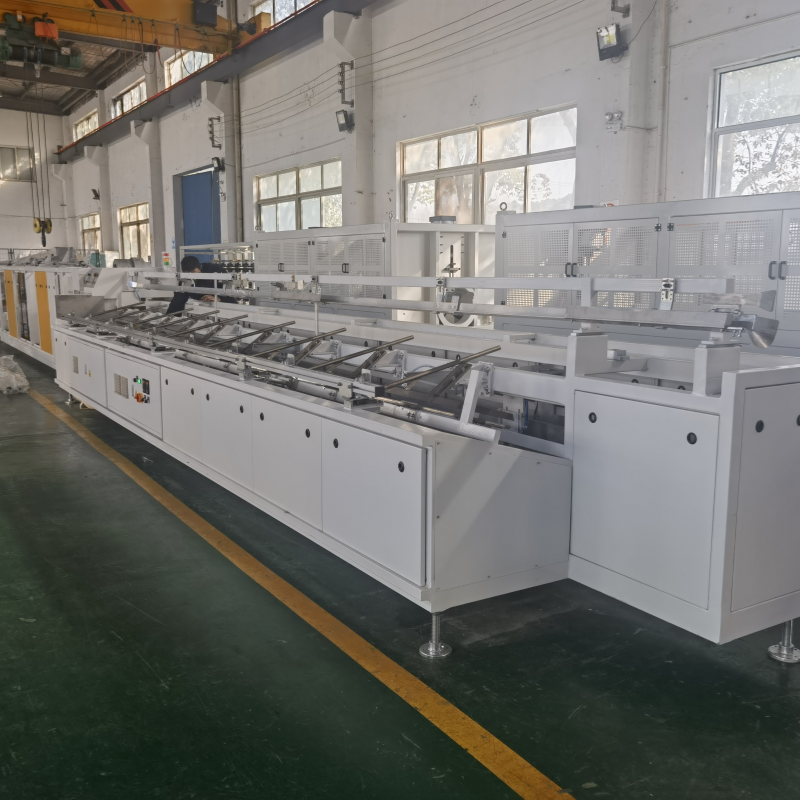
Automatikus PPR/PVC csőzsákoló sor
Részletek megtekintése →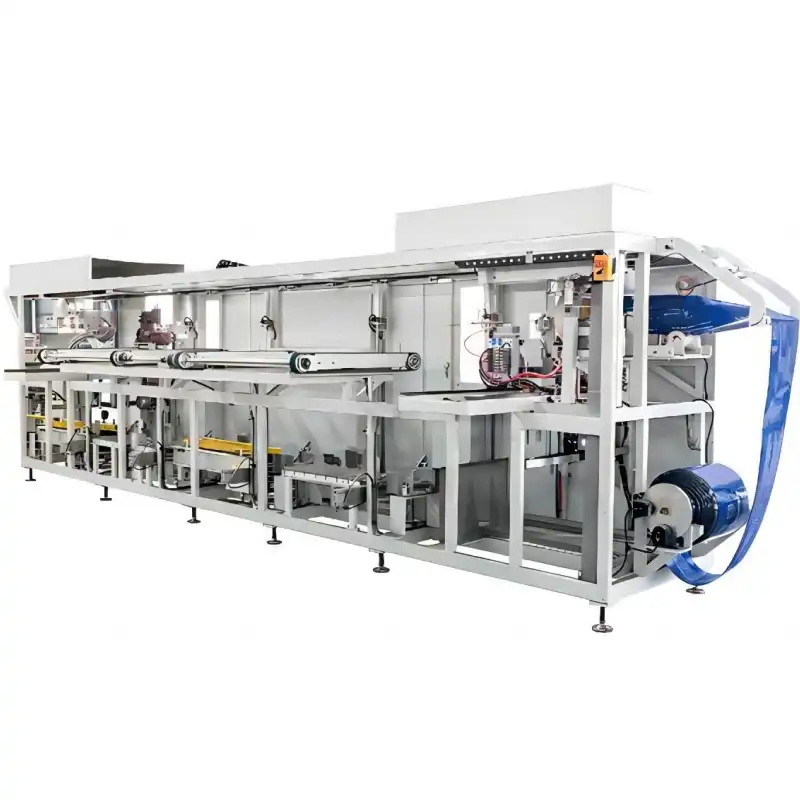
Műanyag csőzsák csomagológép
Részletek megtekintése →
FPT-200 gumiabroncs-csomagoló gép
Részletek megtekintése →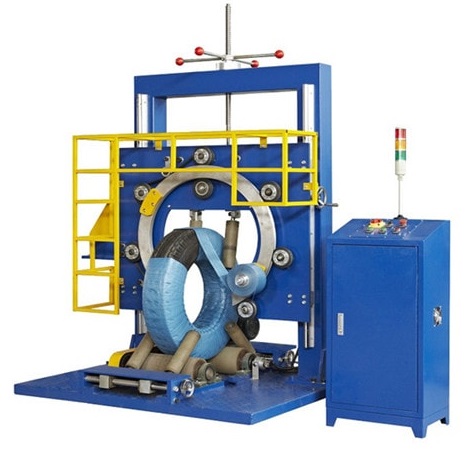
FPT-300 gumiabroncs-csomagoló gép
Részletek megtekintése →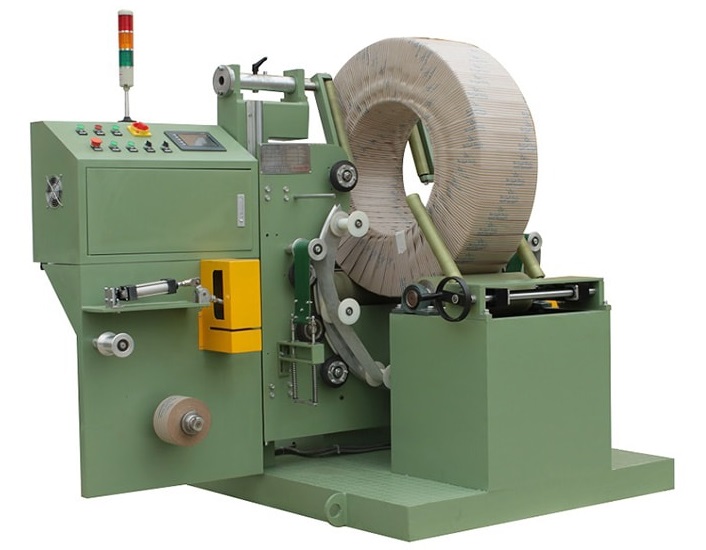
FPT-400 gumiabroncs-csomagoló gép
Részletek megtekintése →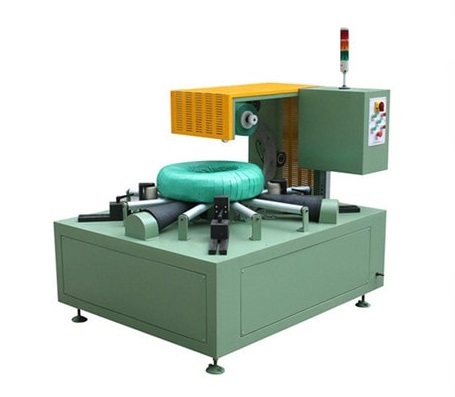
Kábeltekercs csomagológép-FPCA100
Részletek megtekintése →