How Do You Verify Automatic Film Clamping and Sealing?
Automatic film clamping, cutting, and sealing turns a wrap cycle into a finished package. Learn what to verify at the start, the cut, and the tail seal — and how to test all three across your real product mix.

Automatikus fóliaszorítás, -vágás és -zárás: Mit kell ellenőrizni?
Automatikus fóliaszorítás, -vágás és -zárás: Mit kell ellenőrizni?
Automatic film clamping, cutting, and sealing is what turns a wrapping cycle into a finished package. If any of the three steps is unstable, the line can still wrap the coil but leave a torn tail, a loose end, or a film path that blocks the next cycle.
This guide helps operators, quality, and maintenance teams verify that the automatic film handling system on an automatikus tekercscsomagoló sor is reliable on the real product mix.
| Funkció | Mit kell ellenőrizni | Check after movement |
|---|---|---|
| Rögzítés | Start position, tension, and film path | No slip or film break |
| Vágás | Clean and complete cut, no long tail | Next cycle loads with a clean path |
| Tömítése | Tail fixed to the wrapped surface | Tail stays sealed after move and stacking |
Understand the Three Functions
Clamping holds the film at the start of the cycle so the wrapping can begin without losing the material. Cutting separates the film at the end of the cycle. Sealing fixes the tail to the wrapped surface so it does not unwind.
These functions work together. A good cut cannot save a weak seal, and a good seal cannot repair a damaged tail.
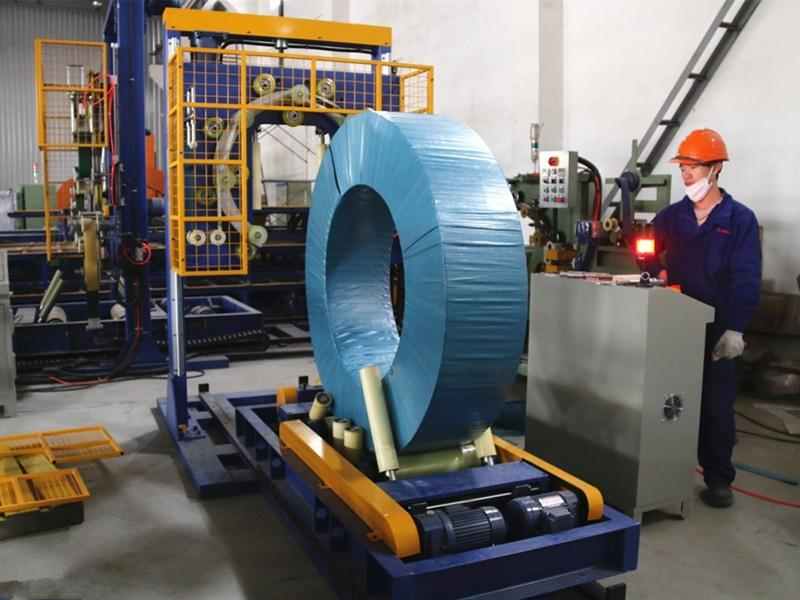
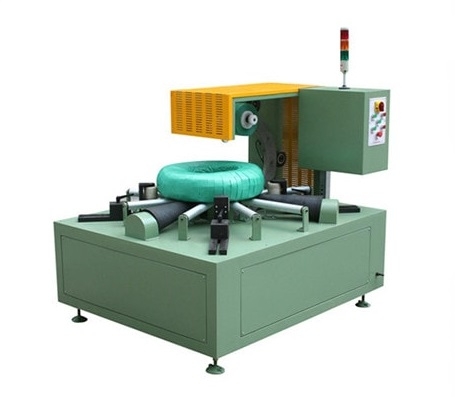
The image shows an automatic steel coil packing machine. The clamping, cutting, and sealing functions must be verified together, because the finished package depends on the whole film-handling sequence.
Verify the Start of the Cycle
Check that the film is clamped at the correct position, the tension is set, and the film path is not twisted or damaged. The first wrapping layer should follow the defined overlap pattern.
If the clamp is worn or misaligned, the film may slip or break at the start of every cycle.
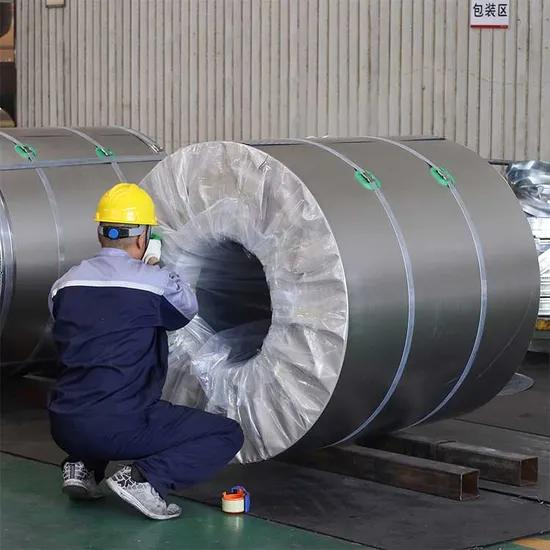
The image shows a VCI stretch film setup with an operator. The film path, clamp position, and tension must be checked at the start of the cycle before the first layer is applied.
Ellenőrizze a vágást
The cut should be clean and complete without leaving a long tail or a damaged film edge. Check the cutting blade, the timing, and the condition of the film.
A partial cut can cause the next coil to load with an irregular film path.
Ellenőrizze a pecsétet
The tail should be sealed firmly to the wrapped surface and should stay sealed after the coil is moved, stacked, or handled. Check the seal mechanism, temperature or pressure where applicable, and the position of the tail.
Test the tail after the coil moves to the next station, not only while it is stationary.
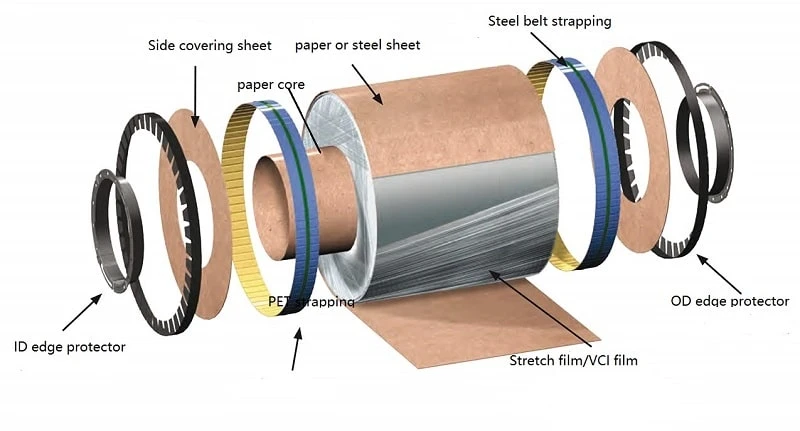
The image shows a cross-section diagram of the package layers. The tail seal is part of the outer wrap: it must hold the layers together after the coil is moved and stacked.
Test Across the Product Mix
Run the automatic clamping, cutting, and sealing functions on the narrowest, widest, and most sensitive coils. Include material changes and a full shift to detect wear or drift.
Record the number of film breaks, incomplete cuts, and tail failures during the trial.
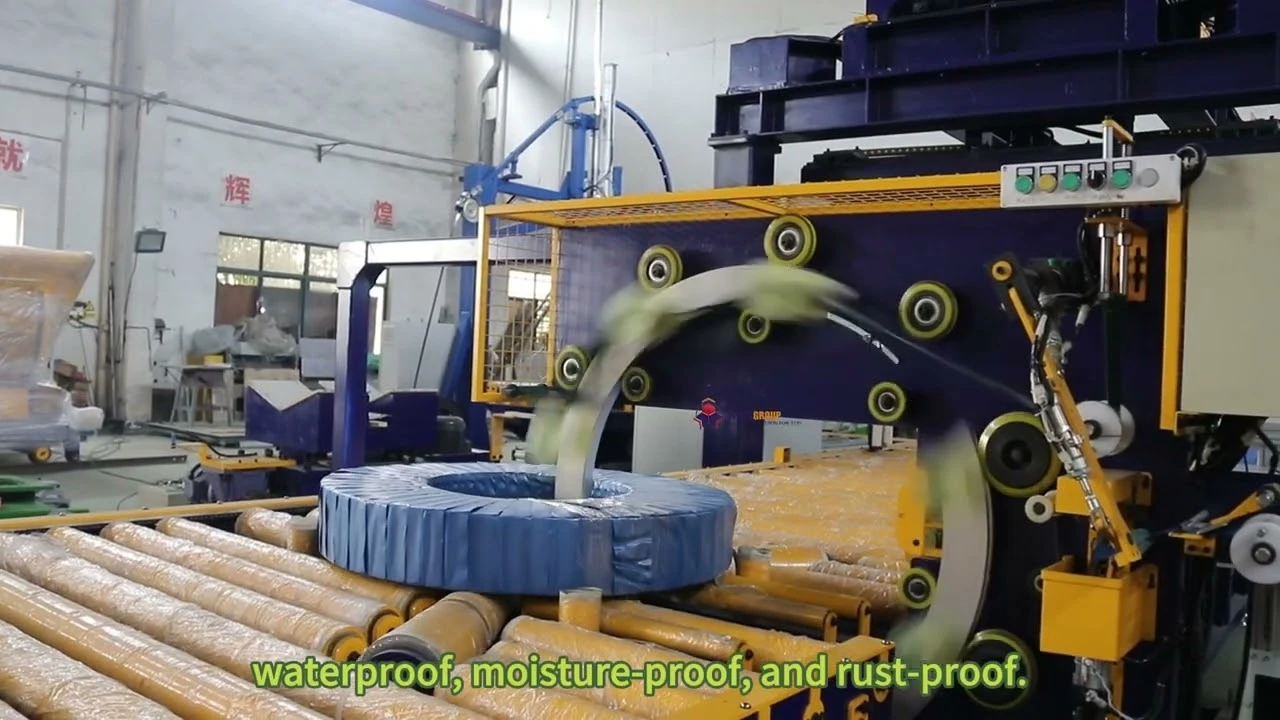
The image shows FAT acceptance testing and packaging quality scenarios. The clamping, cutting, and sealing trial should be part of the same acceptance matrix, covering material change and repeated cycles.
Check Replenishment and Recovery
When a film roll runs out, the operator should be able to load a new roll without bypassing the guard or resetting the line in an unsafe way. The procedure should include the first-article check after material change.
Gyakorlati következő lépés
Add a clamping, cutting, and sealing verification to the FAT/SAT checklist. Inspect the start, the cut, the tail, and the package after movement for each representative family.
Use the same evidence to compare the automatikus tekercscsomagoló sor configuration before acceptance.
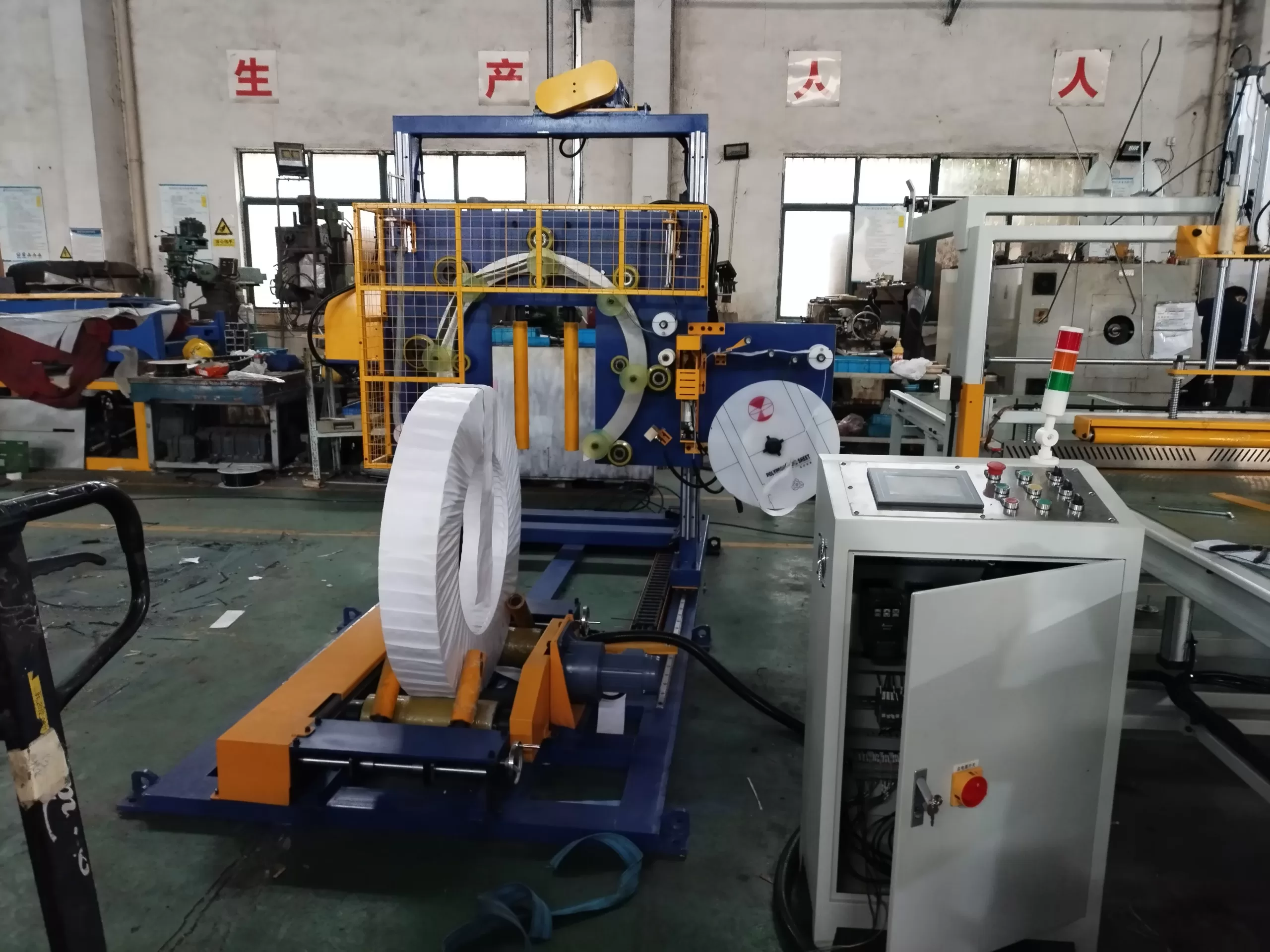
Watch a vertical wrap packaging machine for heavy steel coils with car trolley in operation:

Vizuális részletek
Kattintson a nagyításhoz
Kattintson a nagyításhoz

Kattintson a nagyításhoz

Kattintson a nagyításhoz
Nézze meg, hogyan működik
Fedezze fel, hogyan optimalizálják automatizált csomagolási megoldásaink a gyártósori hatékonyságot. Ez a videó bemutatja a maximális védelem érdekében tervezett zökkenőmentes működést.
Megbízható Acélgyárak és iparági vezetők
A globális gyártók az FHOPE nagy teherbírású csomagológépeire támaszkodnak


Készen áll a csomagolósor optimalizálására?
Kérjen egyedi árajánlatot megtérülési elemzéssel. Mérnökeink 24 órán belül válaszolnak.
- Ingyenes elrendezés
- Globális telepítési támogatás
- 2 év garanciát tartalmaz
Az adataid biztonságban vannak, és soha nem kerülnek megosztásra.
Kapcsolódó gépek
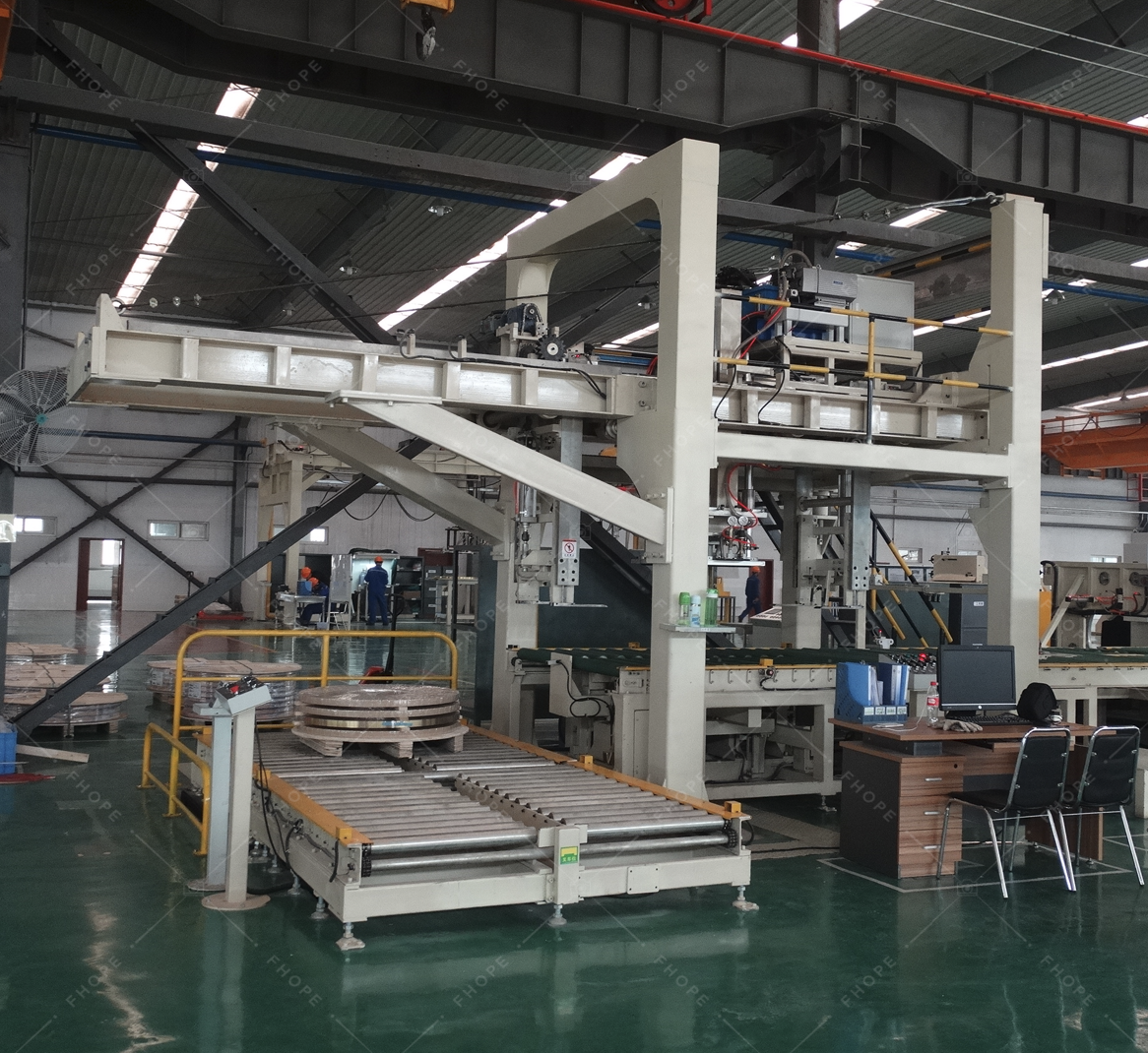
Acéltekercs csomagolósor
Részletek megtekintése →
Függőleges tekercs csomagolósor
Részletek megtekintése →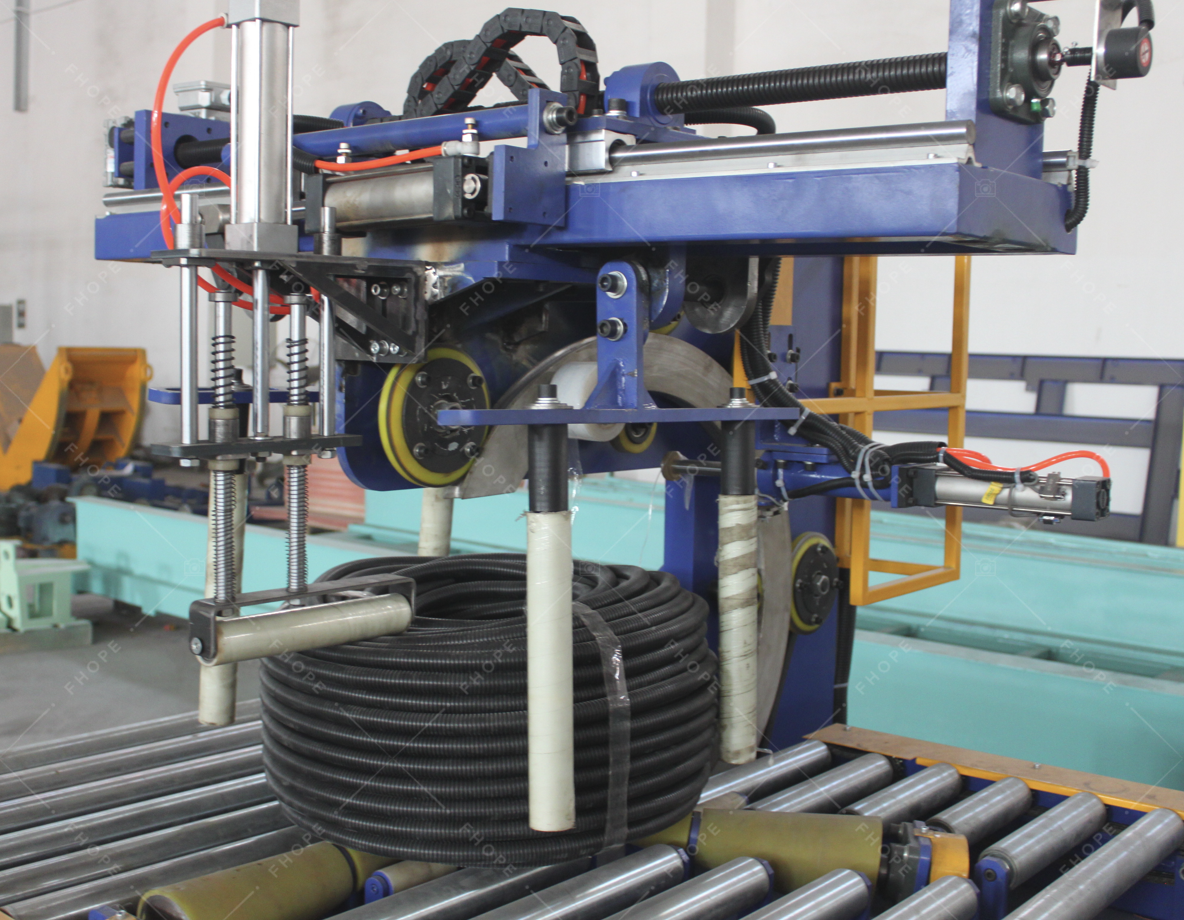
Tömlőtekercs csomagolósor
Részletek megtekintése →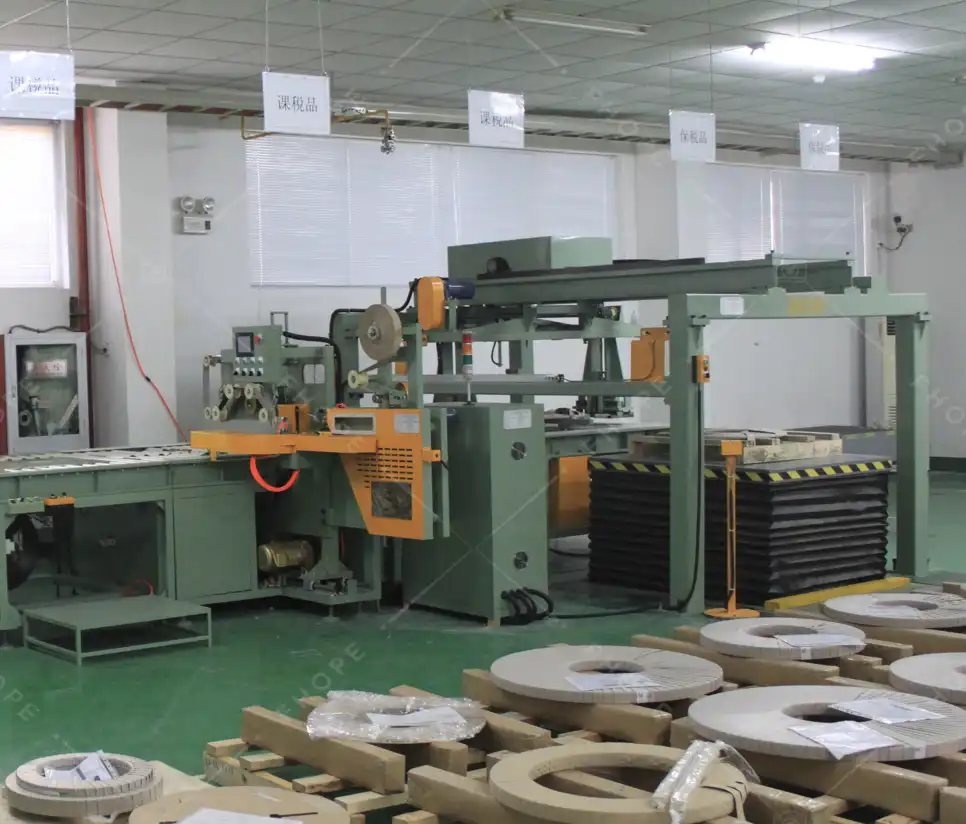
Réztekercs csomagolósor
Részletek megtekintése →
Huzaltekercs csomagolósor
Részletek megtekintése →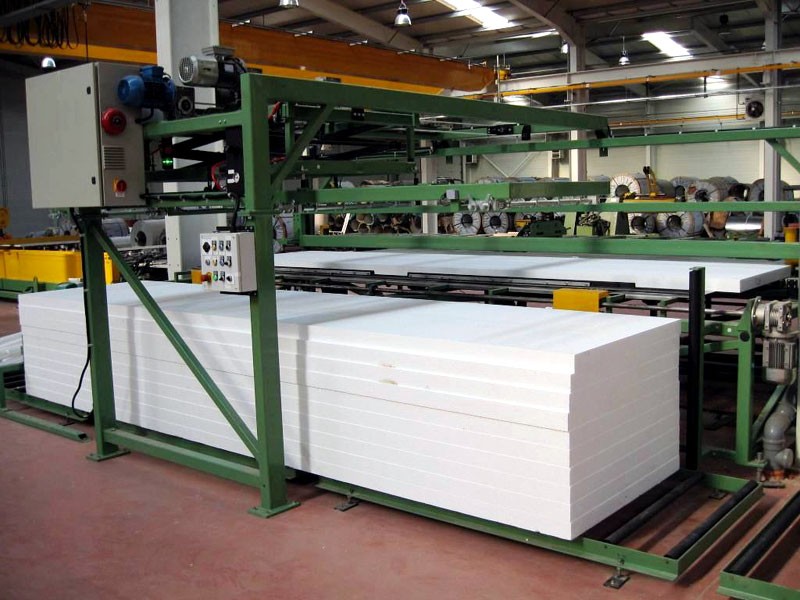
Panel csomagolás vonal
Részletek megtekintése →
Csőzsákoló gép
Részletek megtekintése →
Alumínium profil csomagolósor
Részletek megtekintése →
FHOPE Automatikus csőkötegelő és -pántoló vonal
Részletek megtekintése →
Automatikus csőkötegelő és pántoló sor
Részletek megtekintése →
Automata acélcső pántoló gép
Részletek megtekintése →
FHOPE Automata acélcső csomagológép
Részletek megtekintése →
Automata műanyag csőszíjazó csomagolósor
Részletek megtekintése →
Automatikus PPR/PVC csőzsákoló sor
Részletek megtekintése →
Műanyag csőzsák csomagológép
Részletek megtekintése →
FPT-200 gumiabroncs-csomagoló gép
Részletek megtekintése →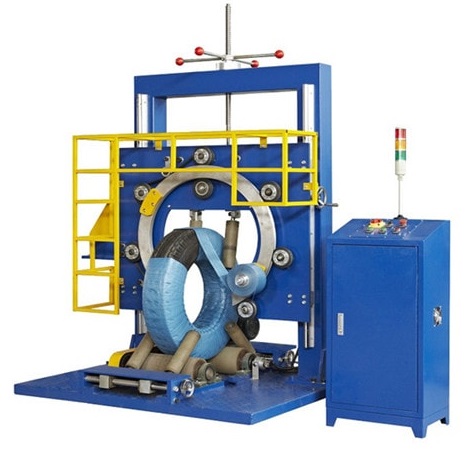
FPT-300 gumiabroncs-csomagoló gép
Részletek megtekintése →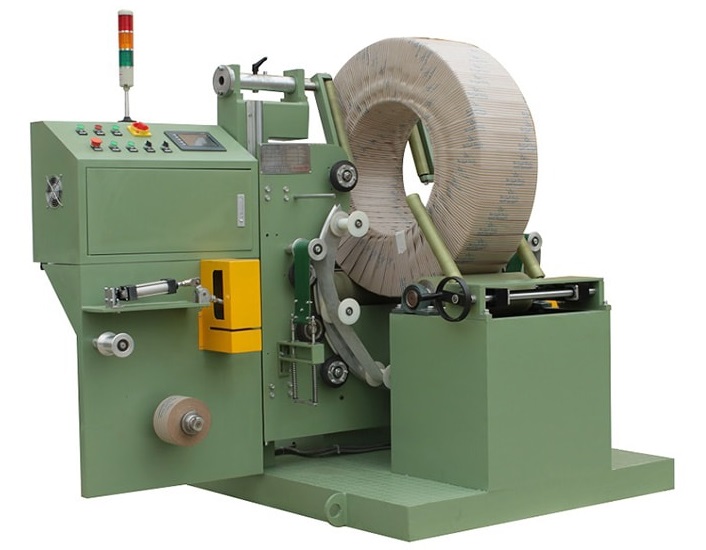
FPT-400 gumiabroncs-csomagoló gép
Részletek megtekintése →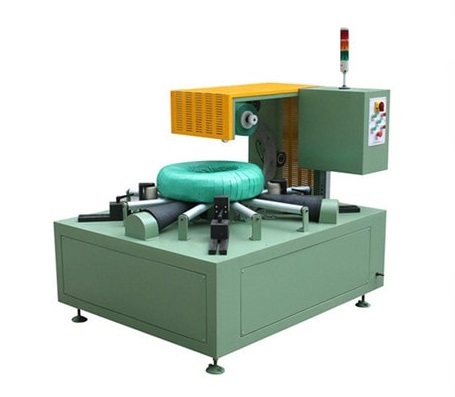
Kábeltekercs csomagológép-FPCA100
Részletek megtekintése →