Resumen ejecutivo
Rolled material can be wrapped on an orbital wrapper or on a vertical coil line, and the right pick changes the whole package. This evaluation contrasts orbital stretch wrapping and vertical coil packaging for rolled material, across five vectors: transit damage containment, throughput synchronization, labor displacement, footprint and unit packaging cost. We build both systems. Coil range and wrap plan are confirmed per project.
Índice
- Two ways to wrap rolled material
- The decision vectors
- Envoltura estirable orbital
- Vertical coil packaging
- Transit damage containment
- Throughput synchronization
- Configuración típica
- Lo que muestra el vídeo
- Lista de verificación de selección
- Operación y seguridad
- Preguntas frecuentes sobre ingeniería
- El próximo paso
- Lectura relacionada
- Fuentes y estándares
Two ways to wrap rolled material
Rolled material, coils, rolls and reels, can be wrapped two ways: an orbital wrapper carries film around a stationary product, and a vertical coil line rotates the coil while wrapping it in place. Both deliver a wrapped package, but they suit different geometries, flows and floors. Choosing between them means comparing the package they produce against the product that ships. The two systems are confirmed per project against the actual rolled range.
The decision vectors
Selection runs across five vectors: transit damage containment, throughput synchronization, labor displacement, footprint optimization and unit packaging cost. The vectors trade against each other, and every metric has to be checked against your product geometry, weight distribution and freight handling before deciding. A system that wins on throughput can lose on footprint, so the decision reads all five together. The weighting follows your operation, confirmed per project.
Envoltura estirable orbital
An orbital stretch wrapper moves a ring of film around a stationary product, wrapping long or awkwardly shaped items in place. Because the product does not rotate, the orbital system suits items that are long, fragile or hard to turn, and it wraps evenly around the circumference. The film, applied in passes from the orbiting ring, covers the product without spinning it. Orbital wrap settings follow the product length and profile, confirmed per project.
Vertical coil packaging
A vertical coil line stands the coil on edge and wraps it in place, handling the coil vertically through wrap and strapping. The vertical orientation suits round coils that sit on a pallet, keeping the coil in the position it ships in.
Wrapping the coil where it will ride matches the package to the freight, and the vertical layout holds the coil without re-handling. Vertical line settings follow the coil diameter and width, confirmed per project. Floor space and unit packaging cost are checked against the plant’s actual floor and volumes, confirmed per project.
Transit damage containment
The first engineering constraint is stopping damage on the road: the wrap has to hold the product through dynamic loads, when a truck starts, stops and corners. Containment is about how the film holds the product against movement, and it decides whether the package arrives sound. Containment behavior is checked under the journey conditions rather than assumed from the wrap type, and the check is confirmed per project on the actual load.
Throughput synchronization
Wrapping throughput has to match the production and palletizing it sits between, or the wrapper becomes the queue. Synchronization means the wrap rate follows the upstream cycle and the packaging it feeds, so no station starves or backs up.
The synchronized rate follows the product and the line flow, confirmed per project, and it is checked against the actual upstream rate rather than a nominal figure. The labor the two systems displace is counted honestly, from feeding to moving coils out, against the shift model.
Configuración típica
Las cifras que aparecen a continuación muestran los límites de diseño funcional en lugar de valores numéricos, y se confirman para cada proyecto.
| Parámetro | Rango típico, confirmado por proyecto |
|---|---|
| Producto | material enrollado |
| Sistema | orbital or vertical |
| Envuelva | plan de película |
| Flow | synchronized rate |
| Footprint | floor fit |
| Suministro eléctrico | 380 V trifásica 50 Hz, o 220 V monofásica para maquinaria ligera, según se requiera para cada proyecto. |
Lo que muestra el vídeo
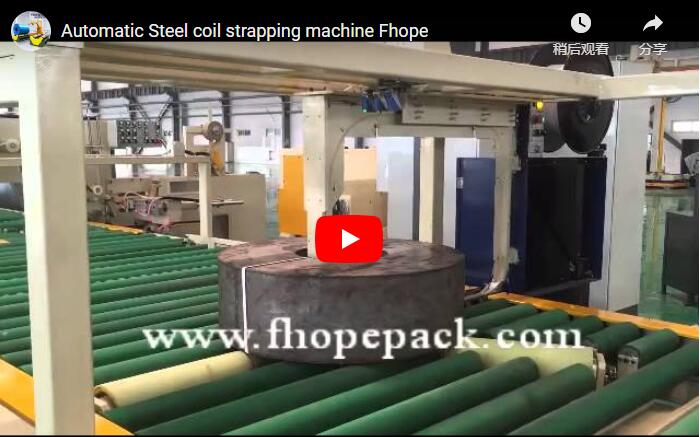
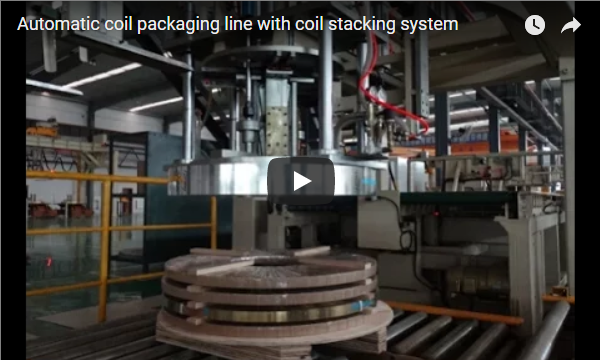
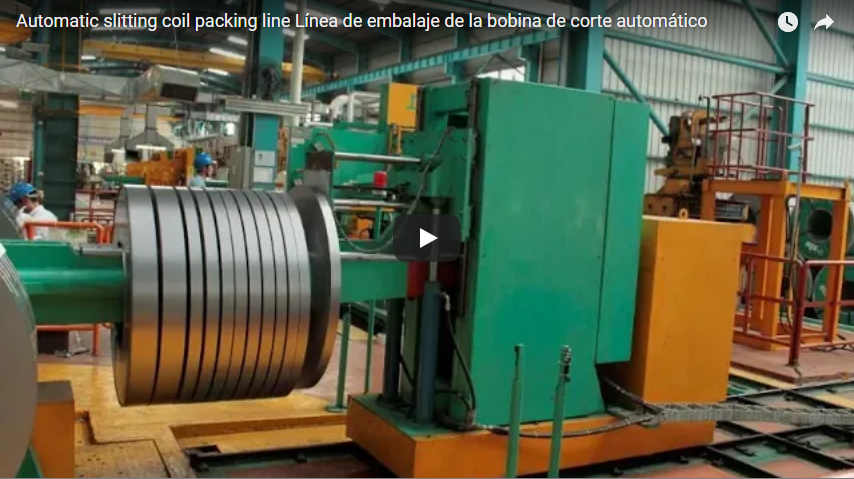
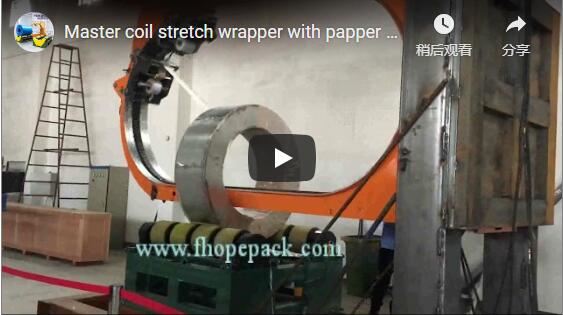
Our footage shows coil packaging in operation. It is a general demonstration, so your rolled range and wrap plan are confirmed with us per project.
Lista de verificación de selección
| Pregunta | Confirmar por proyecto |
|---|---|
| Producto | rolled geometry |
| Sistema | orbital or vertical |
| Contención | journey checks |
| Throughput | line match |
| Footprint | floor fit |
| Suministro eléctrico | voltaje, fase y frecuencia en el sitio |
Operación y seguridad
Run the system from the panel and it wraps each coil or roll automatically, in whichever orientation the line uses. Keep clear of the rotating ring or turntable, film feed and strapping heads while the system runs, with guarding and emergency stops at the operator position. Routine checks cover the wrapper, film path, sensors and control, per the machine manual. Confirm the wrap settings against the product before each run so packages hold in transit.
Preguntas frecuentes sobre ingeniería
Q: What are the two systems compared? A: Orbital stretch wrapping and vertical coil packaging for rolled material.
Q: What are the five decision vectors? A: Damage containment, throughput synchronization, labor displacement, footprint and unit cost.
Q: What does an orbital wrapper do? A: A ring of film moves around a stationary product, wrapping it in place.
Q: What does the vertical line do? A: It stands the coil on edge and wraps it in its shipping orientation.
Q: Which system is right? A: The fit follows your geometry, flow, floor and volumes, confirmed per project.
El próximo paso
- Email us at info@fhopepack.com with your rolled range, flows and floor plan.
- We send a coil wrapping evaluation and a layout drawing within 48 hours.
- We arrange a site survey to confirm rolled range and plant layout.
Lectura relacionada
- Máquina automática de envoltura retráctil orbital
- Máquina de envoltura orbital para tiras, bobinas y barras
- Máquina envolvedora de film estirable con plato giratorio
- Líneas de productos de maquinaria de embalaje FHOPE
Fuentes y estándares
- ISO 12100:2010 Seguridad de las máquinas, principios generales para el diseño y la evaluación de riesgos.
- EN 415-10:2014 Seguridad de las máquinas de envasado, requisitos generales
- EN ISO 13849-1:2023 Seguridad de las máquinas, partes de los sistemas de control relacionadas con la seguridad.
FHOPE coil packaging demonstration video. Reviewed as a general demonstration; rolled range confirmed per project.
Última revisión: 10/10/2026