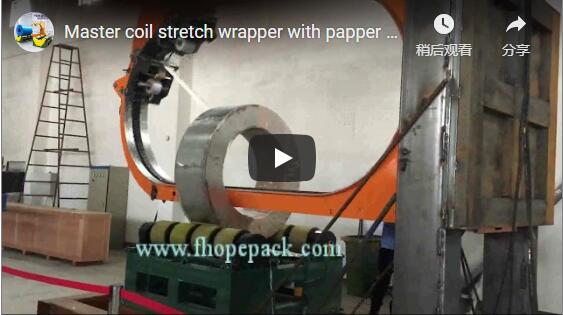
Σύνοψη Ένας συμπιεστής χονδροσύρματος πιέζει ένα θερμά έλασης ρολό προς τα κάτω κατά μήκος του άξονά του, έτσι ώστε οι χαλαροί δακτύλιοι να κλείνουν πριν κουμπώσουν τα σύρματα ή οι ιμάντες σύνδεσης. Σε αυτό το κλιπ, η πρέσα μας εκτελεί δύο κύκλους συμπύκνωσης, περίπου 30 s και περίπου 24 s από την αρχή της διαδρομής του εμβόλου μέχρι την επιστροφή του εμβόλου στην κορυφή. Ο συμπιεστής χονδροσύρματός μας έχει σχεδιαστεί για ρολά εξωτερικής διαμέτρου 1,000 έως 1,800 mm, βάρους 500 έως 2,000 kg, με δύναμη συμπύκνωσης 60 έως 400 kN και κύκλο 30 έως 40 s, διαμορφωμένο ανά έργο.
Πίνακας περιεχομένων
- Τι δείχνει το κλιπ, κατά σειρά
- Γιατί τα ρολά χονδροσύρματος συμπιέζονται
- Χρόνος κύκλου συμπύκνωσης στο κλιπ
- Προδιαγραφές συμπιεστή χονδροσύρματος
- Έλεγχος τακτικής
- Λίστα ελέγχου επιλογής για συμπιεστή συρμάτινου κώνου με χονδρόσυρμα
- Έλεγχοι και ασφάλεια
- Συχνές ερωτήσεις μηχανικής
- Επόμενο βήμα
- Σχετική ανάγνωση
- Πηγές
Τι δείχνει το κλιπ, κατά σειρά
Η πρέσα είναι μια γκρι ατσάλινη γέφυρα με κίτρινους υδραυλικούς κυλίνδρους, μια κινούμενη εγκάρσια κεφαλή με στρογγυλή κεφαλή πρέσας, μια κίτρινη βάση και κίτρινους πλευρικούς βραχίονες. Ένα ασημένιο συρματόπλεγμα βρίσκεται στην πλατφόρμα με τον άξονά του κάθετο. Ένας χειριστής στέκεται κάτω αριστερά στην εικόνα.
Πρώτος κύκλος
- 0 έως περίπου 9 δευτερόλεπτα. Η κεφαλή της πρέσας είναι ανυψωμένη και το πηνίο ακουμπά στην πλατφόρμα.
- Περίπου 12 έως 18 δευτερόλεπτα. Η κεφαλή κινείται προς τα κάτω και αρχίζει να συμπιέζει την κορυφή του πηνίου.
- Περίπου 21 έως 27 δευτερόλεπτα. Η κεφαλή συνεχίζει να πιέζεται και το ύψος του πηνίου μειώνεται ορατά.
- Περίπου 30 δευτερόλεπτα. Το κεφάλι φτάνει στο χαμηλότερο σημείο του και συγκρατείται.
- Περίπου 33 έως 42 δευτερόλεπτα. Η κεφαλή ανεβαίνει ξανά και το πηνίο παραμένει στο συμπιεσμένο του σχήμα.
Δεύτερος κύκλος
- Περίπου 45 έως 51 δευτερόλεπτα. Ένα πηνίο ακουμπά στη βάση με τη μηχανή σε ηρεμία.
- Περίπου 54 έως 60 δευτερόλεπτα. Η κεφαλή κατεβαίνει και οι πλευρικοί βραχίονες κλείνουν πάνω στο πηνίο. Αυτό το πηνίο φέρει ήδη πράσινους ιμάντες, επομένως ο κύκλος πιέζει ένα πηνίο που έχει δεθεί προηγουμένως.
- Περίπου 63 έως 66 δευτερόλεπτα. Η κεφαλή και οι πλευρικοί βραχίονες συγκρατούν την πίεση και το πηνίο είναι ορατά πιο κοντό.
- Περίπου 69 έως 78 δευτερόλεπτα. Το κεφάλι σηκώνεται και τα χέρια ανοίγουν. Περίπου στα 69 με 72 δευτερόλεπτα, το χέρι φαίνεται στον εξοπλισμό στα δεξιά ενώ το κεφάλι εξακολουθεί να κινείται. Περίπου στα 78 δευτερόλεπτα, το κεφάλι είναι πλήρως όρθιο.
Γιατί τα ρολά χονδροσύρματος συμπιέζονται
Ένα πηνίο που τοποθετείται από το έλαστρο είναι χαλαρό: οι δακτύλιοι κάθονται χωριστά και το πηνίο είναι ψηλό και ελαστικό. Πιέζοντάς το κατά μήκος του άξονά του, οι δακτύλιοι κλείνουν, έτσι ώστε τα σύρματα ή οι ιμάντες δεσίματος να συγκρατούν μια συμπαγή, σταθερή συσκευασία που στοιβάζεται και μεταφέρεται καλά. Το δέσιμο συνεχίζεται ενώ η πρέσα κρατά το πηνίο προς τα κάτω. Μόλις η κεφαλή ανασηκωθεί, οι δεσίματα φέρουν το ελατήριο προς τα πίσω.
Ο συμπιεστής μας δένει κάθε πηνίο με 4 σύρματα από 4 κεφαλές δεσίματος συρμάτων, οι οποίες τροφοδοτούν ράβδο σύρματος 6.3 έως 8 mm ως δέσιμο, με τη δύναμη πίεσης που ορίζεται από το υδραυλικό σύστημα.
Χρόνος κύκλου συμπύκνωσης στο κλιπ
| Βήμα | Πρώτος κύκλος | Δεύτερος κύκλος |
|---|---|---|
| Ξεκινά το χτύπημα του κριού | περίπου 12 δευτ | περίπου 54 δευτ |
| Χαμηλότερο σημείο και διατήρηση | περίπου 30 δευτ | περίπου 63 έως 66 δευτερόλεπτα |
| Ο Ραμ επιστρέφει στην κορυφή | περίπου 42 δευτ | περίπου 78 δευτ |
| Η έναρξη του εγκεφαλικού επεισοδίου ανεβαίνει | περίπου 30 δευτ | περίπου 24 δευτ |
Ο πρώτος κύκλος ταιριάζει με τον κύκλο συμπιεστή 30 έως 40 δευτερολέπτων στη σελίδα του προϊόντος μας και ο δεύτερος είναι λίγο μικρότερος. Στον δεύτερο κύκλο, οι πλευρικοί βραχίονες κλείνουν στο πηνίο ενώ η κεφαλή πιέζεται, διατηρώντας το στο κέντρο.
Προδιαγραφές συμπιεστή χονδροσύρματος
| Συμπιεστής χονδροσύρματος | Χαρακτηριστικά |
|---|---|
| Εξωτερική διάμετρος πηνίου | 1,000 στο 1,800 mm |
| Βάρος πηνίου | Μέγιστο βάρος 500 έως 2,000 κιλά. |
| Δύναμη συμπύκνωσης | ρυθμιζόμενο 60 έως 400 kN |
| Χρόνος κύκλου συμπιεστή | 30 έως 40 δευτερόλεπτα |
| Σύρματα σύνδεσης ανά πηνίο | 4, από 4 κεφαλές δεσίματος |
| Διάμετρος σύρματος δεσίματος | 6.3 στο 8 mm |
| Υδραυλική πίεση | 210 μπαρ |
| Παροχή αέρα | 5.0 στη γραμμή 6.0 |
Έλεγχος τακτικής
Για έναν ενδεικτικό στόχο 90 σπειρών ανά ώρα, ο χρόνος takt είναι 3,600 ÷ 90 = 40 s. Ένας κύκλος συμπιεστή 30 έως 40 s χρησιμοποιεί όλα αυτά, επομένως ένας μόνο σταθμός πρέσας δεν αφήνει περιθώριο για μεταφορά σπειρών με αυτόν τον ρυθμό. Θα το σχεδιάζαμε με μεταφορά και δέσιμο μαζί στο στάδιο της διάταξης ή θα χαμηλώναμε τον στόχο. Με 60 σπειράματα ανά ώρα, ένας χρόνος takt 60 s αφήνει 20 έως 30 s για μεταφορά.
Λίστα ελέγχου επιλογής για συμπιεστή συρμάτινου κώνου με χονδρόσυρμα
- Εξωτερική διάμετρος πηνίου, ύψος πριν από τη συμπύκνωση και βάρος, εντός εξωτερικής διάμετρου 1,000 έως 1,800 mm και βάρους 2,000 kg.
- Δέσιμο: σύρμα ή ιμάντας, αριθμός δεσιμάτων ανά πηνίο.
- Δύναμη συμπύκνωσης που απαιτείται για την ποιότητα της ράβδου σας.
- Μεταφορά σπειρών: Γάντζος C, μεταφορικός ιμάντας ή γερανός.
- Στόχος εξόδου ανά ώρα, σε σχέση με τον κύκλο 30 έως 40 δευτερολέπτων.
- Υδραυλική και παροχή αέρα στο χώρο.
Έλεγχοι και ασφάλεια
Η κεφαλή πρέσας, οι πλευρικοί βραχίονες και ο χώρος μεταξύ κεφαλής και πλατφόρμας αποτελούν ζώνες σύνθλιψης. Το χέρι στον δεξιό εξοπλισμό, ενώ η κεφαλή εξακολουθεί να ανεβαίνει, σε περίπου 69 έως 72 δευτερόλεπτα, είναι το είδος της εμβέλειας που σχεδιάζουμε. Η προστασία και η θέση χειριστή κρατούν τα χέρια μακριά μέχρι η κεφαλή να βρίσκεται στην κορυφή και οι βραχίονες να είναι ανοιχτοί.
Σταματήστε, απομονώστε και ασφαλίστε την πρέσα και απελευθερώστε την αποθηκευμένη υδραυλική πίεση, πριν από οποιαδήποτε εργασία στο πηνίο, τους συνδέσμους ή την κεφαλή της πρέσας. Ποτέ μην βάζετε τα χέρια σας κάτω από μια ανυψωμένη κεφαλή που συγκρατείται μόνο από υδραυλικά συστήματα.
Τα ισχύοντα πρότυπα εξαρτώνται από την αγορά προορισμού. Για τις αγορές CE, το ISO 12100 ορίζει τη μέθοδο αξιολόγησης κινδύνου και το EN 415-10 καλύπτει τις γενικές απαιτήσεις για τις μηχανές συσκευασίας, το οποίο καθορίζει την προστασία και τη ρύθμιση διακοπής έκτακτης ανάγκης.
Συχνές ερωτήσεις μηχανικής
Ε: Πόσο διαρκεί ένας κύκλος συμπύκνωσης; Α: Στο κλιπ, περίπου 30 δευτερόλεπτα και περίπου 24 δευτερόλεπτα από την αρχή της διαδρομής του εμβόλου μέχρι την επιστροφή του εμβόλου στην κορυφή. Ο συμπιεστής μας έχει σχεδιαστεί για κύκλο 30 έως 40 δευτερολέπτων.
Ε: Τι μεγέθη πηνίων δέχεται ο συμπιεστής; Α: Πηνία εξωτερικής διαμέτρου 1,000 έως 1,800 mm και βάρους 500 έως 2,000 kg, με δύναμη συμπύκνωσης ρυθμιζόμενη από 60 έως 400 kN.
Ε: Πόσα δεσίματα μπαίνουν σε κάθε πηνίο; Α: 4 σύρματα δεσίματος από 4 κεφαλές δεσίματος σύρματος, χρησιμοποιώντας ράβδο σύρματος 6.3 έως 8 mm ως δεσίματα.
Επόμενο βήμα
Διαστασιολογούμε έναν συμπιεστή χονδροσύρματος σε τρία βήματα:
- Υποβάλετε το σχέδιό σας με την εξωτερική διάμετρο του πηνίου, το ύψος, το βάρος, τον τύπο σύνδεσης και τον στόχο εξόδου, σε info@fhopepack.com.
- Λάβετε μια πρόταση εντός 48 ωρών, συμπεριλαμβανομένης της διάταξης πρέσας, των κεφαλών δεσίματος και του ελέγχου κύκλου σε σχέση με το takt σας.
- Κλείστε ραντεβού για έρευνα τοποθεσίας έτσι επιβεβαιώνουμε τη μεταφορά του πηνίου, τη θεμελίωση και την υδραυλική και την παροχή αέρα.
Σχετική ανάγνωση
- Συμπιεστής χονδροσύρματος με ιμάντες από χαλύβδινο σύρμα
- Μηχάνημα συμπίεσης και ιμάντων σε πηνία σύρματος
- Μηχανή συσκευασίας με ξυράφι
- Ανατρεπόμενος και ανατρεπόμενος μηχανισμός πηνίων για παλετοποιημένα πηνία
Πηγές
- Προδιαγραφές συμπιεστή: Σελίδα προϊόντος για συμπιεστή χονδροσύρματος
- Χρονισμός κλιπ: χρονισμοί καρέ που λαμβάνονται από το κλιπ, 3 δευτερόλεπτα μεταξύ των καρέ
- Μηχανή σε δράση: το βίντεό μας στο YouTube
- Πεδίο εφαρμογής των προτύπων: ISO 12100: 2010, EN 415-10: 2014
Τελευταία αξιολόγηση: 05-10-2026