نظرة عامة
يوضح هذا الدليل كيفية long-shape bag packing and shrinking machine handles wood strips, decorative trims, and aluminium profiles. The system integrates sleeve bagging, sealing, and shrink tunneling into a single continuous line. It is designed to deliver a clean, tight film wrap over the entire length of long items, ensuring bundles remain secure and surfaces stay protected during handling and storage.
How does the machine process long products?
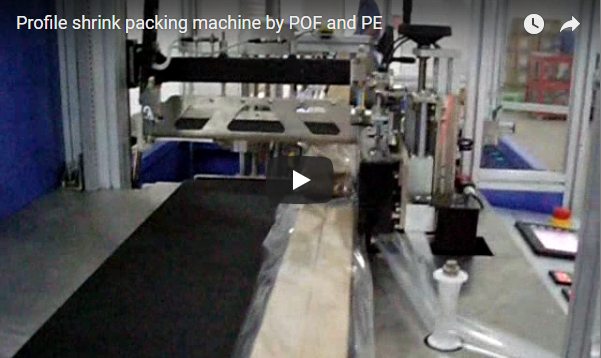
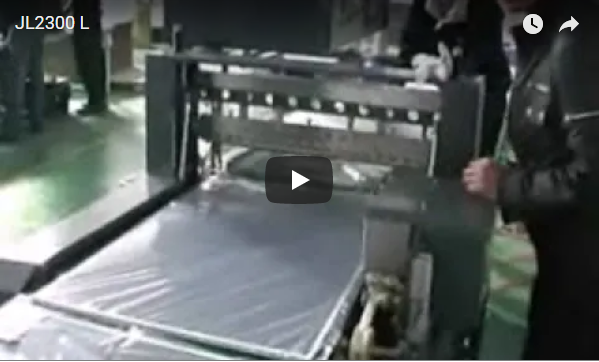
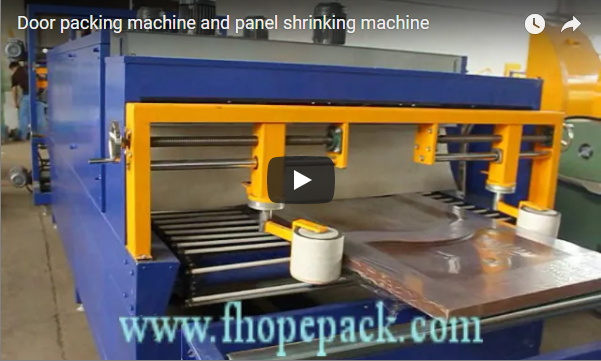
The machine operates through four distinct stages that are visible in the provided video evidence. First, an operator or automated system feeds long wood strips along roller tables into the vertical bagging unit. Second, the sealer closes a film sleeve around the bundle. Third, the wrapped bundle enters a long, enclosed shrink tunnel where heat tightens the film. Finally, the packed bundle exits on roller tables, where a worker removes the finished product.
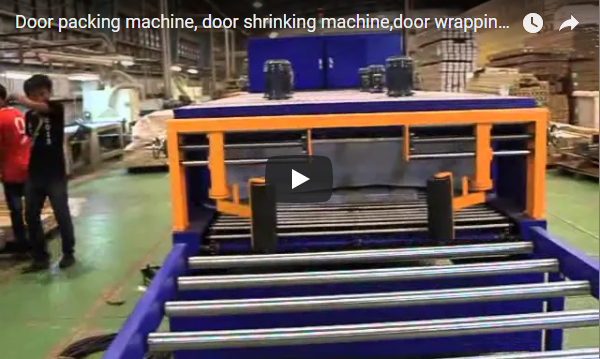
The video shows a bundle of light-colored wood strips being processed. The machine uses a white and light gray frame with green conveyor belts. A dark gray control panel is visible on the sealer, featuring a red emergency stop button. The shrink tunnel has a blue perforated top plate and multiple motors. Yellow triangular warning labels are present on the tunnel structure. The process demonstrates the machine’s capability to handle long items that require full-length coverage.
Why is shrink film used for these products?
Shrink film provides a tight bundle that holds pieces together without the need for tape or straps. This method is particularly effective for wood strips, decorative trims, and aluminium profiles. The film keeps dust, dirt, and scratches off the product surfaces, which is critical for decorative items. Additionally, clear film allows the product and any labels to remain visible, facilitating easy identification and inspection. The system supports any length of product, provided the floor layout and roller tables can accommodate the dimensions.
What determines the machine’s configuration?
The machine is not a single fixed model but a configurable system. The specific configuration depends on the buyer’s requirements for product length, section size, and film type. Key settings are adjusted per product rather than being fixed factory defaults.
| الضبط | يعتمد على |
|---|---|
| عرض مادة منع التسرب | المقطع العرضي للحزمة |
| نوع الفيلم | POF or PE selection |
| سماكة الفيلم | متطلبات المنتج |
| التدفئة النفقية | Film type and product sensitivity |
| طاولات دوارة | طول المنتج |
The length of the packed product is limited by the physical floor layout and the length of the infeed and outfeed roller tables. There is no absolute maximum length defined by the machine itself, but practical limits are set by the available space and the conveyor capacity.
كيف يتم حساب الإنتاجية؟
Throughput is not a fixed machine rating but a result of the interaction between product length, tunnel length, and required heat exposure time. The video evidence does not provide a certified cycle time. Instead, throughput must be calculated based on the specific parameters of the buyer’s product.
An illustrative example demonstrates this calculation. The table below shows the check, step by step.
| تحقق | Value in the worked example |
|---|---|
| طول المنتج | سماكة 2,400 ملم |
| طول النفق | سماكة 1,600 ملم |
| Required heat exposure | 8 ق |
| Conveyor speed that gives it | 200 مم/ثانية (12 م/دقيقة) |
| Pass-through time, (2,400 + 1,600) ÷ 200 | 20 ق |
These figures are a worked example, not a machine rating. Actual throughput will vary based on the specific film, product, and heat settings confirmed for the project.
What film options are available?
The machine can use either POF (polyolefin) or PE (polyethylene) shrink film. The choice of film and its thickness depends on the product being packed. For example, aluminium profiles may require different film properties compared to wood strips to ensure proper mechanical protection and surface preservation. The film thickness and type are set per product during the configuration phase. Buyers must specify their preferred film type and thickness to receive an accurate machine setup.
ما هي معايير السلامة المطبقة؟
Safety is a critical component of the machine design. The machine is designed to ISO 12100 and EN 415-10. ISO 12100 provides the framework for risk assessment, while EN 415-10 covers safety requirements for packaging machines. These standards guide the design of guards, emergency stops, and operational procedures.
However, certification of a delivered machine is confirmed in the project ordering agreement. The machine is designed to these standards, but final certification depends on the specific installation and local regulations. Operators must keep hands clear of the sealing bar, avoid touching the tunnel or hot film, and stop the line before clearing any jams.
What are the key selection criteria?
When evaluating this machine, buyers must consider several factors to ensure the configuration meets their needs. The product length and cross-section determine the required sealer width and roller table length. The number of pieces per bundle affects the film consumption and tunnel capacity. The film type and thickness influence the heat settings and sealing parameters. The required bundles per hour determine the necessary conveyor speed and tunnel length. The presence of heat-sensitive surfaces requires careful tuning of the tunnel temperature. Finally, the available floor space dictates the maximum length of the infeed and outfeed roller tables.
How does this compare to orbital wrapping?
While this machine uses a bagging and shrinking method, other long-product packaging solutions exist. Horizontal orbital wrappers with mobile bridges offer an alternative for bundling pipes and profiles. Orbital wrapping uses stretch film rather than shrink film, which may be suitable for different stability and protection requirements. Buyers should compare the tightness and protection offered by shrink film against the cost and speed of orbital wrapping. The choice depends on the specific needs of the product and the downstream handling processes. For more on orbital wrapping, see The Horizontal Orbital Wrapper With Mobile Bridge و آلة تغليف مدارية أفقية أوتوماتيكية للأنابيب والحزم.
What data is needed for a proposal?
To receive a specific configuration and pricing, buyers must provide detailed information about their production requirements. The supplier cannot provide a fixed quote without knowing the specific product dimensions, film preferences, and layout constraints.
Please send the following data to the supplier:
- Product length and cross-section dimensions.
- Number of pieces per bundle.
- Preferred film type (POF or PE) and thickness.
- Required production rate (bundles per hour).
- Available floor space for infeed and outfeed roller tables.
- Any special requirements for heat-sensitive surfaces.
We reply with a proposal after we confirm the details. This proposal will include the machine configuration, layout drawing, and technical specifications tailored to your project.