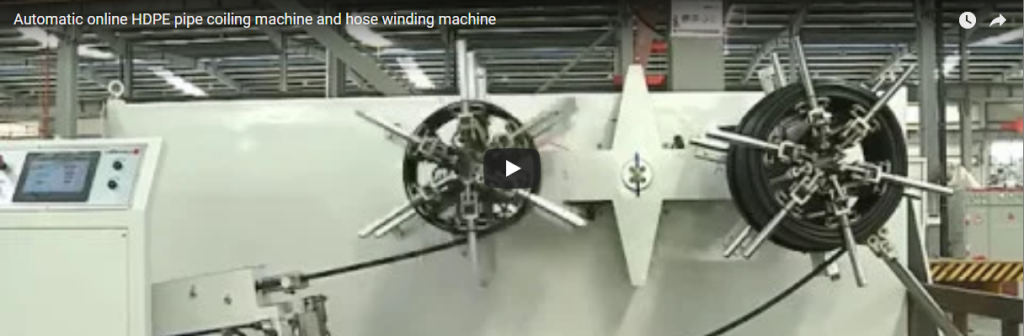
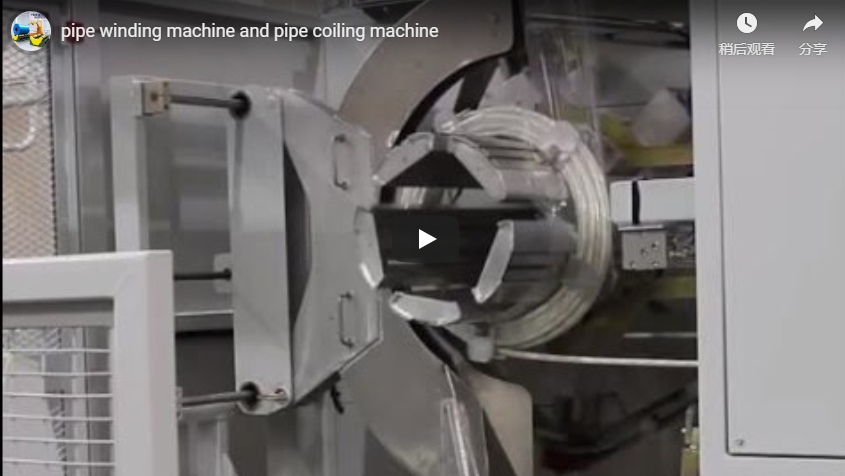
ملخص تنفيذي: يُظهر هذا المقطع آلة تغليف لفائف القماش المطاطية وهي تُكمل دورة تغليف واحدة في حوالي 12 ثانية: لفة أسطوانية بيضاء موضوعة على قرص دوار أسود يدور باتجاه عقارب الساعة، بينما تتحرك عربة فيلم صفراء أسفل العمود وتُغلف اللفة بشكل حلزوني من الأعلى إلى الأسفل بغشاء مطاطي شفاف. الآلة عبارة عن آلة تغليف رأسية من نوع الرافعة، ولوحة التحكم الخاصة بها موجودة على العمود الأيمن، وتُغطى اللفة بالكامل بالغشاء. لم تُذكر أحجام اللفائف ومواصفات الفيلم وقدرات التحميل في الفيديو - يُرجى التأكد من هذه المعلومات مع الشركة المصنعة.
إذا كنتَ تُغلّف لفائف القماش أو الأقمشة غير المنسوجة أو الورق يدويًا، فأنتَ تعرف الروتين: حرّك اللفافة، أمسك الغلاف، حافظ على شدّ متساوٍ، وتأمل أن يبقى الطرف ثابتًا طوال الليل. الآلة في هذا الفيديو تُؤتمت هذه المهمة تمامًا. فيما يلي، نُوضّح ما يُظهره الفيديو، ونُفرّق بين المُلاحظة المُباشرة والاستنتاج، ونُدرج الأسئلة التي يجب الإجابة عليها قبل اختيار آلة تغليف من هذا النوع.
ما يظهر الفيديو
يُظهر المقطع لقطة واحدة متواصلة لدورة تغليف واحدة، مدتها حوالي 12 ثانية. تستقر لفة أسطوانية بيضاء أفقياً على القرص الدوار الأسود لآلة تغليف عمودية. الهيكل مصنوع من الفولاذ المطلي باللون الرمادي الداكن أو الأسود، وهو مصمم على شكل رافعة ذات عمودين وعارضة علوية. تتدلى عربة فيلم صفراء أسفل العارضة، وتظهر عدة هياكل معدنية بيضاء في خلفية ورشة العمل.
تتكشف الدورة في ثلاث مراحل مرئية:
- 0:00–0:03 — بداية الدورة. تستقر عربة الفيلم في مكان مرتفع على الصاري، ويتم سحب غلاف بلاستيكي شفاف فوق الجزء العلوي من البكرة. القرص الدوار ثابت.
- 0:03–0:09 — لف حلزوني. يبدأ القرص الدوار بالدوران بإتجاه عقارب الساعة بينما تتحرك العربة بثبات إلى الأسفل، يلتف الفيلم حول البكرة بشكل حلزوني متداخل، بدءًا من الأعلى باتجاه الأسفل. وتظهر لوحة التحكم الموجودة على العمود الأيمن خلال هذه المرحلة.
- 0:09–0:12 — اكتمال الغلاف. يغطي الفيلم الآن معظم سطح البكرة، وتزداد كثافة اللف خلال الدورات الأخيرة. تُنهي العربة مسارها، وتستمر المنصة في الدوران حتى تصل إلى موضعها النهائي.
لا يظهر أي مشغل على الشاشة في أي وقت، ولا تلمس أي يد اللفة بمجرد بدء الدورة.
كيفية سير دورة لف واحدة، خطوة بخطوة
بناءً على التسلسل أعلاه، تتفكك دورة واحدة على النحو التالي:
- قم بالتدحرج في الوضعية المناسبة. يبدأ الفيديو بالبكرة وهي متمركزة بالفعل على القرص الدوار - لم يتم تصوير خطوة التحميل نفسها.
- تم وضع طبقة رقيقة في الأعلى. تبدأ العربة من فوق البكرة، ويتم وضع الحافة الأمامية للفيلم فوق الوجه العلوي.
- الدوران بالإضافة إلى الهبوط. تتحرك القرص الدوارة والعربة في نفس الوقت، وهذا ما يحول صفيحة الفيلم المسطحة إلى حلزون متساوٍ حول الحمولة.
- تتزايد التغطية نزولاً. كل دورة من المنصة تتداخل مع الشريط السابق من الفيلم، ويشير التحليل إلى أن الغلاف يصبح أكثر كثافة باتجاه أسفل اللفة.
- نهاية الدورة. تتوقف العربة، وتدور المنصة إلى وضع الراحة، وتستقر اللفة ملفوفة بالكامل.
هناك تفصيل عملي واحد مفقود من اللقطات: وهو ذيل الفيلم . يُعد قص الفيلم وتثبيته بعد اللفة النهائية خطوة قياسية في هذا النوع من الآلات، لكنها غير مرئية في الإطارات المأخوذة، لذا لا يمكننا وصف كيفية تعامل هذه الآلة معها.
نظرة سريعة على بنية الآلة
يسرد الجدول أدناه كل مكون تسمح لنا اللقطات بتحديده، وكيف يبدو، والوظيفة التي يمكننا استنتاجها بشكل معقول من موقعه وحركته.
| مكون | ما تُظهره اللقطات | الوظيفة الظاهرة |
|---|---|---|
| إطار جسري | أعمدة فولاذية مطلية باللون الرمادي الداكن/الأسود متصلة بعارضة علوية. | يحمل عربة الفيلم ويحدد منطقة الالتفاف |
| عربة فيلم | الوحدة الصفراء مثبتة أسفل العارضة العلوية، وتتحرك عمودياً | يمسك بغشاء التغليف المطاطي ويفرده أثناء نزوله. |
| القرص الدوار | منصة دوارة سوداء في قاعدة الآلة | يدير البكرة في اتجاه عقارب الساعة بحيث يلتف الفيلم حولها بالتساوي |
| لوحة التحكم | شاشة صغيرة مضاءة بالإضافة إلى عدة أزرار، على العمود الأيمن | تشغيل/إيقاف التشغيل والتحكم في الدورة؛ الوظائف الدقيقة غير واضحة |
| علامة تحذير | مثلث أصفر بداخله علامة تعجب سوداء، العمود الأيسر | علامات تحذير عامة؛ الصياغة غير قابلة للقراءة |
التصميم - تحميل على قرص دوار، وتوصيل الفيلم من الأعلى - هو الترتيب الكلاسيكي للقرص الدوار واللفافة، وقد تم بناؤه هنا كعربة فيلم علوية على طراز الرافعة بدلاً من صاري بجانب الحمولة.
ما لا يُظهره الفيديو
تُعدّ الحدود الصادقة مهمة عند تقييم المعدات من خلال مقطع فيديو. لا يُظهر هذا المقطع ما يلي:
- التحميل أو التفريغ. تكون لفة الفيلم موجودة بالفعل على المنصة عند الساعة 0:00، ولا تتم إزالة اللفة النهائية أمام الكاميرا مطلقًا.
- قص وتثبيت ذيل الفيلم. غير مرئي في الإطارات التي تم أخذ عينات منها.
- أي أرقام. لا يوجد وزن أو قطر أو عرض محدد للفة؛ ولا يوجد عرض للفيلم أو رقم التمدد المسبق؛ ولا يوجد وقت دورة محدد.
- معدات السلامة تتجاوز مجرد الملصق. لم يُلاحظ وجود أي زر إيقاف طارئ، أو حاجز مادي، أو ستارة ضوئية، أو نظام تعشيق. هذا لا يعني أن الآلة تفتقر إليها، بل يعني أن المقطع لا يُظهرها. تحقق من حزمة السلامة المرفقة مع الشركة المصنعة.
- تفاعل المشغل. لا أحد يضغط على زر البدء، أو يضبط الإعدادات، أو يتعامل مع اللفة.
- دمج. لا تظهر أي سيور ناقلة أو معدات في اتجاه المنبع أو المصب أو اتصالات بيانات.
لا تعتبر أي من هذه الثغرات غير عادية بالنسبة لمقطع فيديو قصير للمنتج، ولكن كل واحدة منها تمثل سؤالاً يجب عليك الإجابة عليه قبل الشراء.
ملاحظات الملاحظة المباشرة
يُحافظ الجزء التالي على تحليل دقيق للفيديو إطارًا بإطار، مع تعديلات طفيفة على مستوى القواعد فقط. وهو يُشكّل الركيزة الأساسية لهذه المقالة.
- الآلة عبارة عن آلة تغليف عمودية مثبتة على إطار معدني مطلي باللون الرمادي الداكن أو الأسود.
- تتدلى عربة تغليف بلاستيكي أصفر اللون أسفل العارضة العلوية وتتحرك لأعلى ولأسفل الصاري.
- تستقر الحمولة على منصة دوارة سوداء في القاعدة؛ وتقوم المنصة بتدوير الأسطوانة في اتجاه عقارب الساعة.
- توجد لوحة تحكم مزودة بشاشة صغيرة مضاءة وعدة أزرار مثبتة على العمود الأيمن؛ ألوان وأشكال الأزرار غير واضحة.
- المنتج عبارة عن لفة أسطوانية، بيضاء إلى بيضاء مائلة للصفرة، ذات سطح أملس ومتساوٍ؛ ويبدو أنها متوافقة مع القماش أو الورق أو الغشاء البلاستيكي، ويشير عنوان المنشور إلى أنها لفة قماش.
- يبدو أن قطر اللفة يبلغ حوالي 1.5 ضعف ارتفاعها كما هو موضح على المنصة - وهي لفة صناعية متوسطة الحجم.
- تبقى الأسطوانة أفقية طوال الوقت، ومحورها مستوٍ، دون أي ميلان أو انقلاب أثناء دورانها.
- يلتف الفيلم بشكل حلزوني من الأعلى إلى الأسفل أثناء نزول العربة؛ وتزداد كثافة الالتفاف قرب نهاية الدورة.
- توجد لافتة تحذيرية مثلثة صفراء اللون عليها علامة تعجب سوداء في العمود الأيسر؛ ولا يمكن قراءة نصها.
- لم يُلاحظ في اللقطات أي توقف طارئ أو حماية أو ستارة ضوئية أو نظام تعشيق.
- تظهر علامة مائية شبه شفافة للموقع الإلكتروني وشعار المنتج فوق الصورة في جميع أنحاء الصورة.
أين يناسب هذا النوع من الآلات
تُناسب آلة تغليف التمدد الدوارة المزودة بحامل فيلم علوي المنتجات الأسطوانية التي يمكن وضعها على منصة دوارة، مثل لفائف القماش واللفائف غير المنسوجة ولفائف الورق أو الفيلم المماثلة. الهدف من التغليف عملي وليس تزيينيًا: حماية المنتج من الغبار والرطوبة أثناء التخزين، وتثبيت الحمولة للحفاظ على شكل اللفافة أثناء النقل، والحصول على نتيجة أنظف وأكثر اتساقًا من التغليف اليدوي.
بالنسبة لمصانع النسيج أو مصانع التحويل، فإن المشكلات التي تعالجها هذه الفئة من الآلات مألوفة:
- عملية التغليف اليدوي بطيئة وغير متسقة، وتعتمد الجودة على من يقوم بتغليف الفيلم في ذلك اليوم.
- تتعثر أطراف الأفلام السائبة على الرفوف والرافعات الشوكية أثناء النقل.
- إن عملية اللف اليدوي تبقي يدي وجسم العامل بالقرب من لفة دوارة.
لا يدعم هذا الملصق سوى الادعاء النوعي: تقوم الآلة بلف لفة كاملة تلقائيًا، دون أي تدخل من المشغل أثناء العملية. أما مدى سرعة هذه الآلة مقارنةً بعملية اللف اليدوية الحالية، فيعتمد على أحجام اللفات لديك وسير العمل - لذا اطلب إجراء اختبار دورة قياس باستخدام لفتك الخاصة بدلاً من الاعتماد على أي رقم عام.
ما يجب التحقق منه مع الشركة المصنعة
قبل اختيار هذه الآلة ضمن القائمة المختصرة، يرجى توضيح هذه النقاط كتابيًا:
- أقصى دوران القطر والعرض والوزن يقبل القرص الدوار
- سرعة القرص الدوار وسرعة حركة العربة، والوقت الناتج لدورة اللفة الخاصة بك
- مواصفات الفيلم: العرض، والسماكة، ونسبة التمدد المسبق
- تتضمن تجهيزات السلامة القياسية: زر إيقاف الطوارئ، والحماية، والستارة الضوئية - لا يظهر أي منها في المقطع.
- طريقة التحميلرافعة شوكية، منحدر، رافعة منصات نقالة أو ناقل
- متطلبات الطاقة، ومساحة الأرضية، والتركيب
الأسئلة الشائعة
ما الذي يتم تغليفه في الفيديو؟
لفة أسطوانية بيضاء إلى بيضاء مصفرة ذات سطح أملس. يشير تحليل الإطار إلى أنها تتوافق مع القماش أو الورق أو الغشاء البلاستيكي؛ ويحدد عنوان المقال وموضوعه أنها لفة قماش . إذا كنت ترغب في التأكد، فاسأل المنتج عن المنتج الذي تم تصويره.
كيف يغطي الفيلم اللفة بأكملها؟
يدور القرص الدوار البكرة بينما تنزل العربة من الأعلى إلى الأسفل، بحيث تتداخل كل شريط من الفيلم مع الشريط السابق بشكل حلزوني. وبحلول نهاية المقطع، يغطي الفيلم سطح البكرة بالكامل.
هل تقوم الآلة بتحميل وتفريغ اللفائف من تلقاء نفسها؟
لا يُظهر الفيديو ذلك. فالبكرة موجودة بالفعل على القرص الدوار عند بدء المقطع، ولم يتم تصوير أي عملية تفريغ. خيارات التحميل مسألةٌ أساسية يجب طرحها على الشركة المصنعة.
ما هي ميزات السلامة الظاهرة؟
لا يوجد في التسجيل سوى ملصق تحذيري مثلث أصفر اللون على العمود الأيسر. لا يظهر في التسجيل أي زر إيقاف طارئ، أو حاجز حماية، أو ستارة ضوئية، أو نظام تعشيق. يرجى التأكد كتابيًا من حزمة السلامة المرفقة مع الجهاز.
كم تستغرق الدورة الشهرية الواحدة؟
لم يُذكر رقم محدد. تكتمل عملية التغليف في غضون 12 ثانية تقريبًا من بدء التصوير، ولكن لا يشمل ذلك وقت بدء التشغيل والتثبيت النهائي، ويعتمد وقت الدورة دائمًا على حجم البكرة وإعدادات الفيلم. اطلب قياس وقت الدورة لبكرة مماثلة لبكرتك.
القراءة ذات الصلة
لم تتضمن الصفحة الأصلية لهذا المنشور أي روابط داخلية، لذا لم يتم إنشاء أي روابط هنا. لمشاهدة المزيد من الآلات قيد التشغيل، ابدأ من هذه الصفحات:
- تعرف على المزيد حول آلات التعبئة والتغليف من FHOPE
- تعرف على المزيد حول آلات التعبئة والتغليف من FHOPE
- تعرف على المزيد حول آلات التعبئة والتغليف من FHOPE
الخطوة التالية
إذا كان هذا المنتج قريبًا مما تحتاجه، فإن أسرع طريقة لتأكيده هي إرسال أبعاد ووزن اللفة وطلب توصية بالإضافة إلى عرض سعر لاختبار دورة التشغيل. تواصل مع الفريق عبر صفحة الاتصال.
المصدر والمنهج
- المصدر الفيديو المضمن أعلاه هو المصدر الواقعي الوحيد لهذه المقالة.
- طريقة التحليل: قام نموذج الرؤية واللغة المحلي بمراجعة الإطارات المأخوذة (10 إطارات على فترات 3 ثوانٍ) وأنتج التقرير المنظم الذي تم من خلاله استخلاص الجدول الزمني وجدول الهيكل وملاحظات الملاحظة.
- الصوت: يحتوي الفيديو على موسيقى خلفية فقط، بدون سرد أو كلام، لذلك لم يتم استخدام تقنية تحويل الكلام إلى نص.
- حدود: تقتصر النتائج على ما تُظهره الإطارات المأخوذة منها العينات؛ إذ لم تكن تفاصيل مثل تسميات الأزرار وقراءات الشاشة ونص ملصق التحذير واضحة. الوظائف المصنفة على أنها "ظاهرة" هي استنتاجات؛ وأي شيء غير قابل للملاحظة يُدرج تحت "ما لا يُظهره الفيديو" أو يُشار إليه لتأكيد الشركة المصنعة.